The Federal Aviation Administration has retired its legacy hardware after decades of reliance on outdated components. Transportation Secretary Sean Duffy announced the change, stating that "floppy disks are out" and 21st-century technology is now operational for air traffic control. This transition replaces several aging systems with a new platform called E-IDS. The move concludes a long modernization effort that began in 2008 under the NextGen project. Leidos received the contract to design this system in August 2020.
Replacing obsolete infrastructure
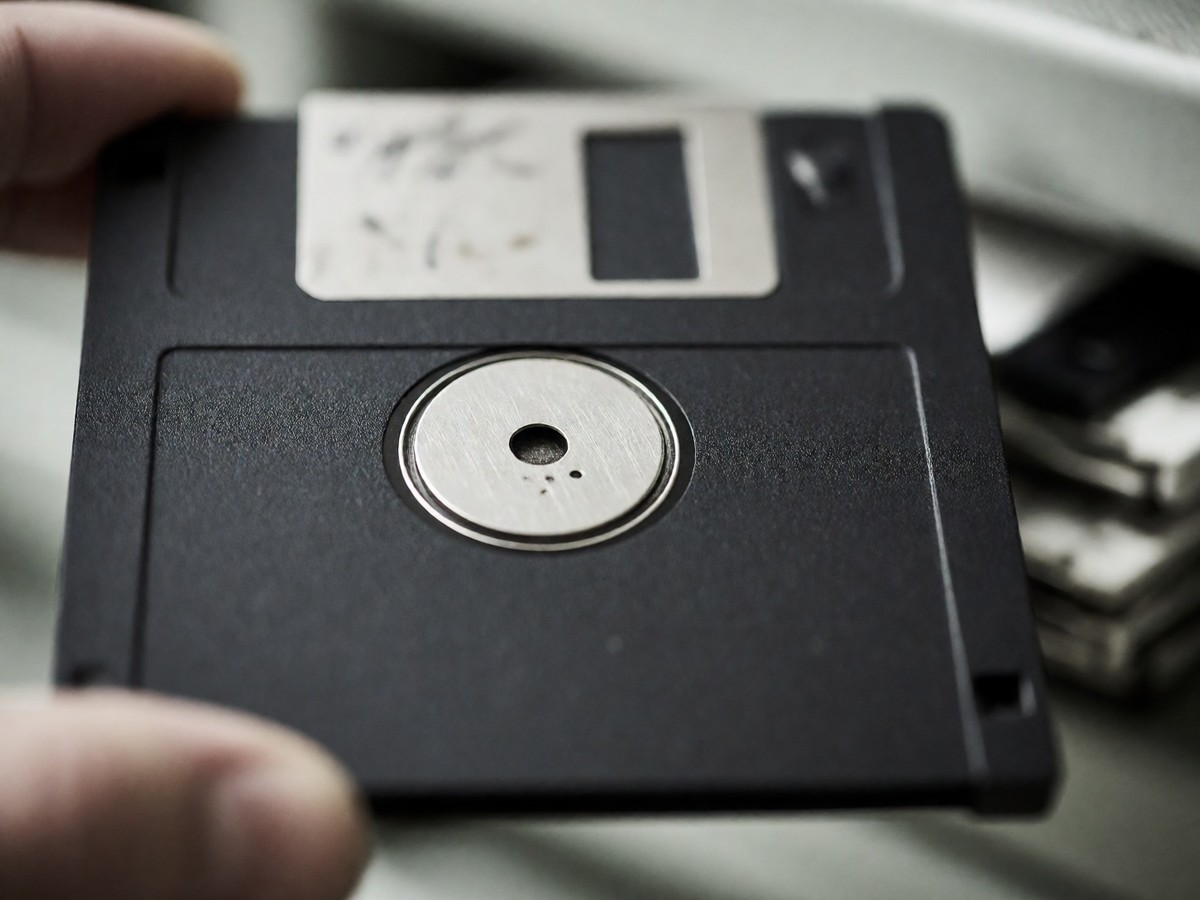
The new E-IDS system consolidates four distinct platforms into a single interface for controllers. It replaces Information Display System 4, Controller Equipment Information Display System, NAS Information Display System, and En Route Information Display System. IDS-4 ran on MS-DOS and had been in constant use since the early 1990s as a vital resource for pilots and staff. A 2018 press release from Systems Atlanta noted that IDS-4 operated on desktop PCs equipped with 3.5-inch floppy disk drives. These machines displayed textual and graphical data such as flight approach charts combined with weather information. Controllers used this data to support critical flight operations in Air Route Traffic Control Centers and control towers. The old setup required manual updates and inefficient data organization, making it cumbersome for staff to retrieve necessary information quickly during high-pressure situations.
GAO findings and new capabilities
A September 2026 report by the Government Accountability Office criticized the previous infrastructure for relying on obsolete technology and interfaces from the 1980s. The agency stated that multiple diverse display systems created inefficient activities needed to sustain the network. An April 2026 Department of Transportation report highlighted that controllers previously searched for critical data like NOTAMs and airport status across fragmented screens. With E-IDS, they now have immediate access to everything needed to make split-second decisions on one view. Duffy credited President Trump for delivering a state-of-the-art system, although officials from both the Biden and Trump administrations shepherded the plan through approval. The upgrade eliminates the need for physical media storage entirely. Controllers no longer face the delay of searching for specific files on antiquated operating systems. This change ensures that vital informational resources remain accessible without the risk of hardware failure associated with decades-old components.