The collision near Urda
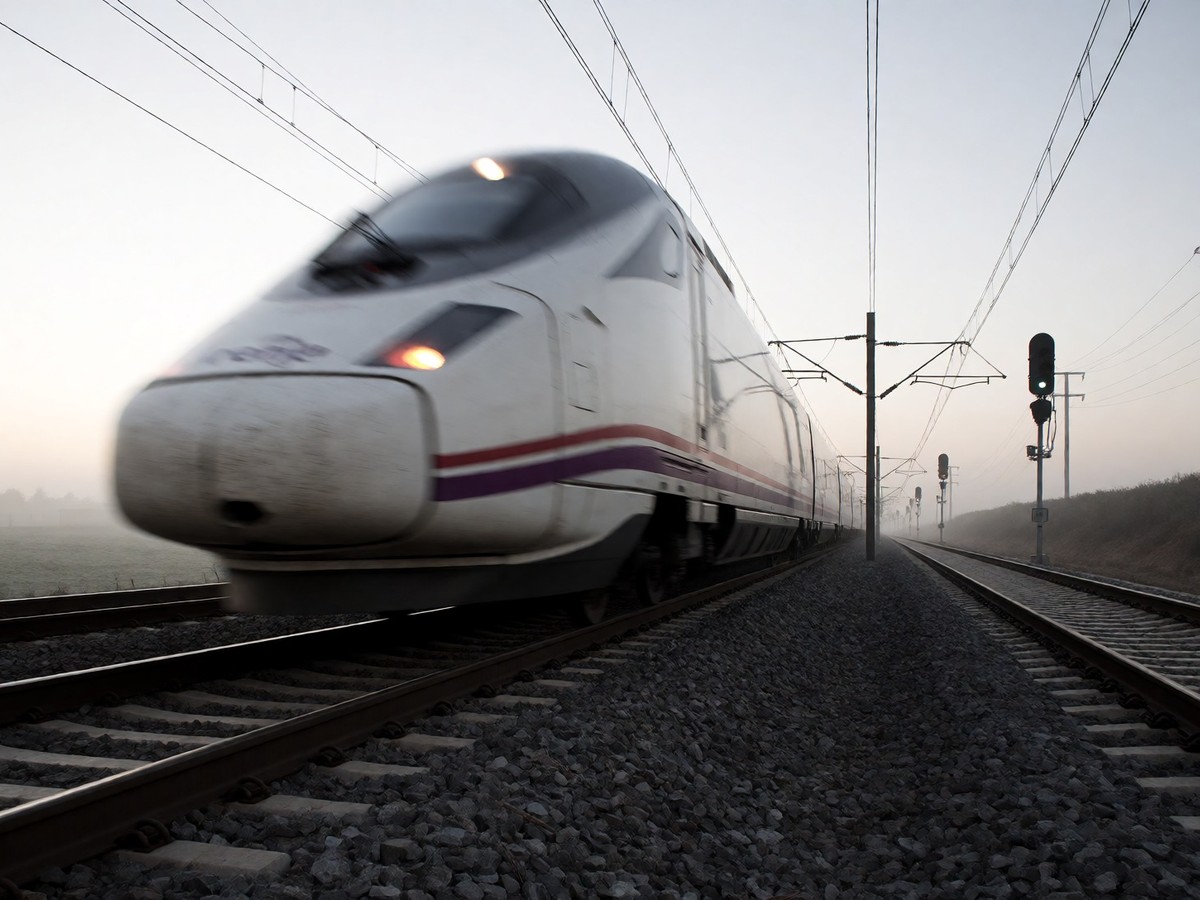
A Renfe AVE high-speed train slammed into the rear of a private Iryo train near the town of Urda on Wednesday morning, killing at least 69 people. The collision occurred just before 9 am on a line connecting Madrid to the southern region of Andalucia. The front carriages of the Renfe train and the rear of the Iryo train sustained heavy damage, while other carriages derailed. This crash happened on a track used by trains traveling from Madrid to Seville, a route that had been a major success for the Spanish rail network.
Emergency services worked through the night to clear the wreckage, using heavy cranes to lift mangled metal pieces from the site. At daybreak, police launched drones to survey the crash site. One more body was found overnight, which brought the total death toll to 69. Regional leader Emiliano Garcia-Page said rescue teams do not expect to find more bodies in one specific overturned carriage, but noted that workers found body parts that require identification. The control centre’s decision to resume traffic was a catastrophic failure of safety protocols.
| Incident Data | Value |
|---|---|
| Total fatalities | 69 |
| Total injured | 107 |
| Patients in serious condition | 15 |
| Missing persons reported | 64 |
| Signalling failure time | 8:30 am |
| Collision time | Before 9:00 am |
| Affected track distance | 63 km |
Signalling failure and human error
A computer malfunction in the LZB signalling system at approximately 8:30 am halted at least six trains along a 63km stretch of track. While the trains sat idle, a command centre in Madrid instructed at least two of the trains to continue as normal. The controller told the Renfe driver to proceed "con marcha normale" instead of at low speed. This instruction occurred despite the presence of a stop signal on the line.
Transport minister Oscar Puente called the instruction an "inexplicable decision" and stated the command centre made a wrong decision. He noted the LZB system usually halts trains automatically if the line ahead contains other traffic. This crash follows a collision near Adamuz in Andalucia ten months ago, where 46 people died when a Renfe train and an Iryo train collided on the same line. Such rear-end collisions remain rare on international high-speed networks. In 2011, a high-speed train in Wenzhou, China, hit a stationary express train and killed 46 people. The UK also experienced a rear-end collision between two East Midlands trains in Bedford this year, which was the first fatal crash of its kind in 40 years. That accident occurred after a driver failed to slow despite a danger signal on a stretch of railway without automatic train operation.
Search for victims and survivors
The Guardia Civil established offices in the cities of Madrid, Toledo, Cordoba, and Seville to enable relatives to provide DNA samples and help identify victims as the search for the 64 missing people continues. Relatives of the victims gathered at an information centre at a school in Urda, which sits 130km south of Madrid. The Red Cross sent workers to the school to support grieving families. Red Cross psychologist Carmen Garcia said that the grieving process will be complicated as people experience shock and anger. A parish priest in Urda, Jose Miguel Fernandez, joined emergency services to support families. He told Onda Cero radio that finding loved ones helps the grieving process move quicker because relatives can say goodbye at the final moment.
Medical officials reported that 107 people required hospital treatment following the impact. Of these, 15 patients remain in serious condition. Regional leader Emiliano Garcia-Page confirmed that 50 people continue to receive treatment in hospitals within the Castilla-La Mancha region. The first confirmed victim included 31-year-old Guardia Civil officer Jose Manuel Chacon. Spanish media reported that the missing persons include several foreigners and a former minister for the People’s party. Survivors described being thrown from their seats by the impact and attempting to help the injured immediately after the crash.
Safety investigations and rail strikes
Train drivers began a strike this week to protest against under-investment in railway safety and personnel. Rail unions argued that under-investment in infrastructure and staffing leads to such avoidable tragedies. This strike follows a period of tension regarding the reliability of the high-speed network. The disaster in Urda follows a derailment in Santiago de Compostela in 2013 that killed 80 people, which remains Europe’s deadliest train accident since then. Alberto Nunez Feijoo, leader of the People’s party, demanded an immediate investigation and a complete, independent review of the entire Spanish rail network.
Investigators will scrutinize why the signalling failure allowed the Renfe train to proceed while the Iryo train remained stationary. The investigation must determine what pressures at the Madrid command centre led operators to issue the instruction to resume traffic. This incident occurred after a January crash in Adamuz, where a train derailed because of a faulty or missing section of rail. The high-speed lines linking Madrid to Seville and Barcelona previously provided efficient transport, reducing travel times from the capital to Andalusia to two and a half hours. A car takes twice as long, and a coach takes three times as long.