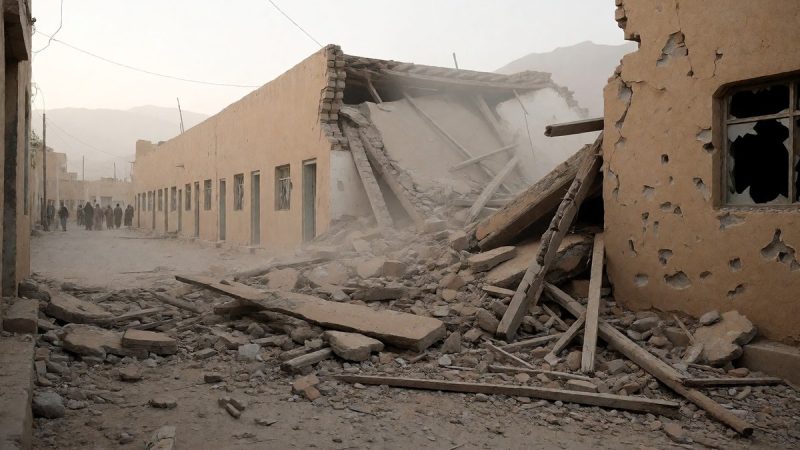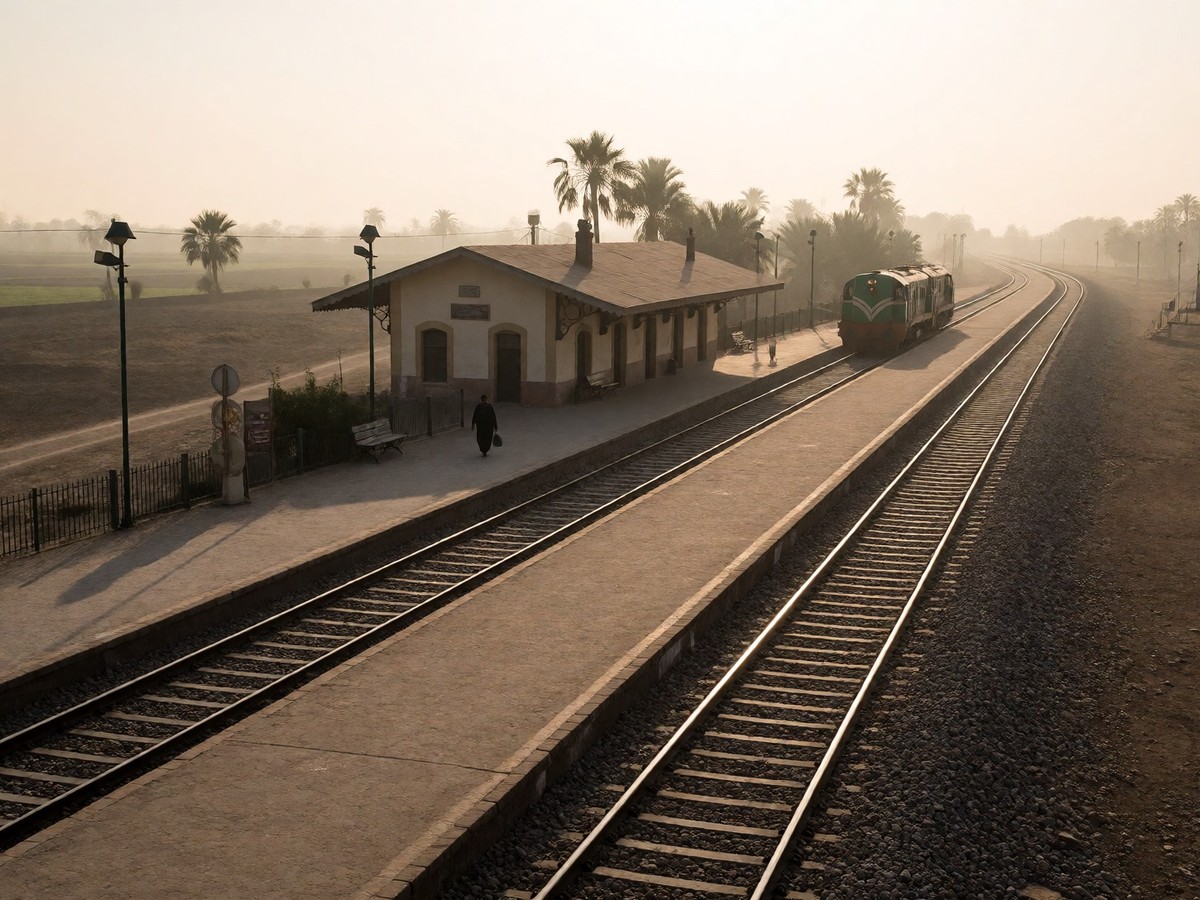
Seven people died and more than 100 were injured when two trains collided on Sunday in al-Ayyat district, Giza province. The crash occurred about 30 miles south of Cairo, specifically between Kafr Ammar and Al-Raqqa stations. A train travelling from Giza to Fayoum crashed into the rear of a stationary service heading from Cairo to Aswan. Several carriages derailed and fell down an embankment, causing massive structural damage. Local resident Ayman Gamal reported seeing approximately 80 injured passengers being transported by ambulance to nearby hospitals. He noted that some individuals remained trapped inside one of the carriages of the stationary train and subsequently died. The Egyptian health ministry confirmed that at least 72 ambulances were dispatched to manage the influx of patients. Hospitals in the area were placed "on heightened alert" as medical staff treated victims for broken bones and head injuries.
Investigation and Operational Failures
President Abdel Fatah al-Sisi ordered state authorities to investigate the circumstances of the accident and hold accountable anyone found to have been negligent. The public prosecutor’s office launched a formal investigation to determine what caused the crash and identify any "shortcomings" in operational procedures. Investigators are currently examining the damaged carriages, tracks, and surrounding area to assess safety measures. The railway authority stated that emergency teams and cranes were dispatched to clear the wreckage and restore services to their normal schedule as soon as possible. Train services between Giza and Upper Egypt were suspended while crews removed the wrecked vehicles from the site. The driver of one of the involved trains was among those who died in the collision, according to the transport ministry. This incident highlights the persistent issues with Egypt’s railway system, which has a history of mismanagement and poor equipment maintenance. Calls for the transport minister to resign emerged immediately after the disaster, reflecting public frustration with repeated failures.
The site of this Sunday accident is close to where Egypt’s deadliest train tragedy occurred in February 2002. In that incident, a fire engulfed a passenger train travelling from Cairo to Luxor, killing more than 370 people officially, though some estimates put the toll considerably higher. Two further crashes in the same area in 2009 killed dozens more, demonstrating a pattern of recurring disasters in this specific corridor. Last September, a train driver and his assistant were injured after two freight trains collided in the same district. The government has announced modernisation initiatives in recent years to improve railways, yet these accidents continue to occur. I find it unacceptable that such preventable tragedies persist despite known maintenance issues and previous warnings. The death toll may rise as rescue efforts continue, and the public prosecutor’s office warned that the number of fatalities could increase. Residents like Gamal describe the chaos of pulling survivors from the wreckage, a scene that underscores the human cost of systemic neglect. The railway authority must act decisively to address the root causes of these collisions before another disaster strikes.