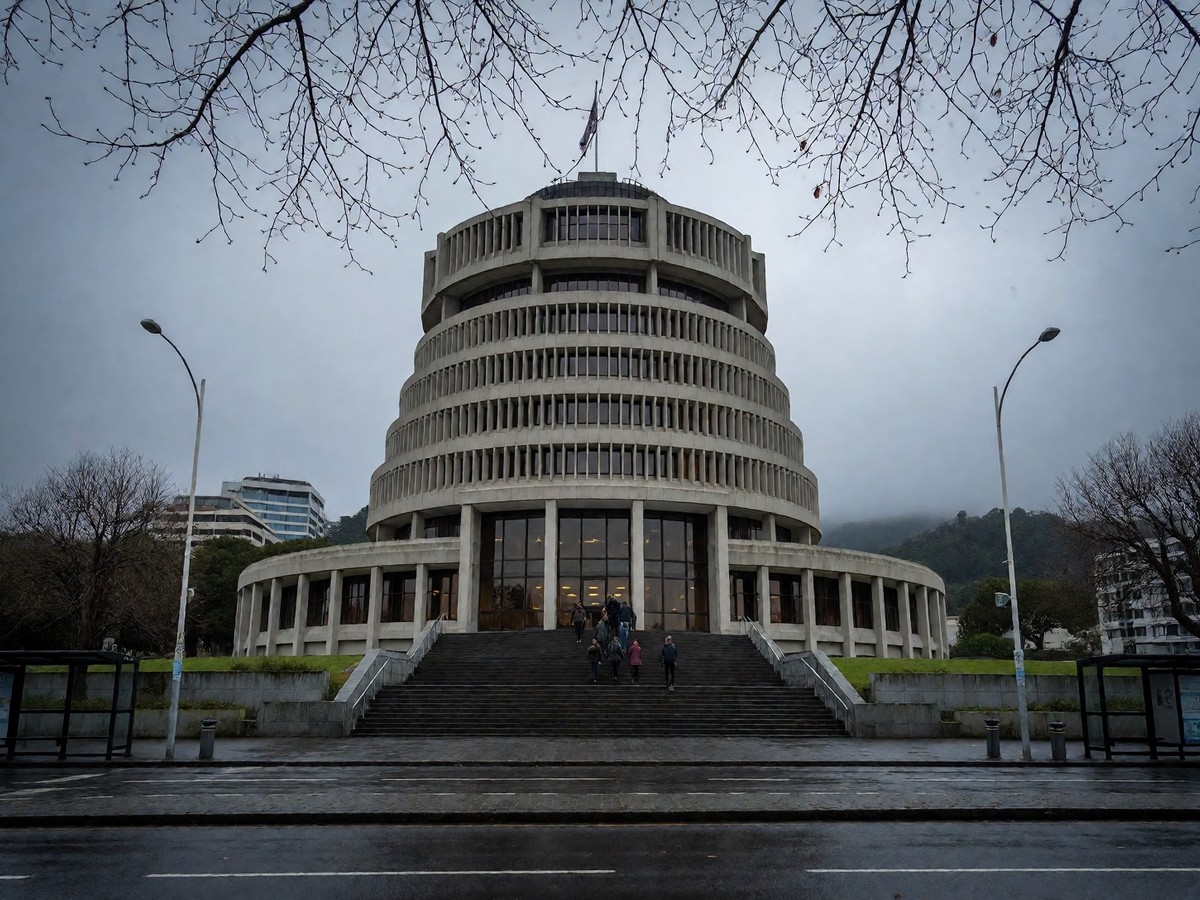
New Zealand faces a weeks-long wait for its next government because the election failed to hand either bloc a decisive victory. Preliminary results show the centre-right National party, led by Prime Minister Christopher Luxon, secured 42 seats. Its coalition partners Act and New Zealand First added 13 and 12 seats respectively, creating a combined majority of 67. This margin is wafer thin, with the left bloc just three seats behind on preliminary counts. Special votes, which include overseas ballots and those cast outside a voter’s electorate, remain uncounted. In 2023, these 600,000 special votes, or 21% of the total, favoured the left by giving Te Pati Maori and the Greens three seats between them.
The overhang complicates the math
Luxon described the situation as "too close to call" at Auckland’s Viaduct events centre, noting that special votes must be counted before negotiations begin. He claimed National has "a pathway to forming the next government," having pipped Labour by only 0.02% in the party vote. However, the system creates an overhang where parties winning more electorate MPs than their party vote allows keep the extra seats. National won five such extra seats, but this cost four senior ministers, including Nicola Willis, Paul Goldsmith, Chris Bishop, and Gerry Brownlee, their parliamentary places because they did not win local seats. On the other side, Te Pati Maori picked up five overhang seats. With all extras included, the next parliament could hold 130 members, a record under the mixed-member proportional system adopted in 1996. This means 65 seats are needed to form a coalition.
Left bloc falls short despite newcomer
Labour leader Chris Hipkins joked at Upper Hutt that New Zealand had spoken but "it may take a bit longer to work out what they’ve said." His bloc includes Labour’s 35 seats, the Greens’ 16, Te Pati Maori’s five, and the centrist newcomer Opportunity’s seven. Even with Opportunity, the left remains three seats short of governing. Opportunity’s leader Qiulae Wong told supporters she was "stoked" about the party’s historic entry into parliament at 5.9% support. Since 1996, no new party had met the threshold to enter parliament, making this a first. Opinion polls had positioned Opportunity as a potential kingmaker, though the right bloc does not currently need it. If special votes shift the balance, however, the party’s role could change. The collapse of major parties amid high inflation fuels support for smaller groups like Act and the Greens. Luxon stated that well-established caretaker conventions apply until official results release on 27 November.