Pressure from Washington and maritime incidents
The South Korean government’s plan to expand the Cheonghae anti-piracy unit’s operations to waters near the port of Duqm is clearly a necessary step for maritime security. This expansion follows pressure from Donald Trump to provide support for his war in Iran, after he criticized South Korea for insufficient support and scaled back major joint military drills this summer. To expand the unit’s operations to waters near the port of Duqm in Oman, which sits about 650km from the vital strait, the government must obtain approval from President Lee Jae Myung and the cabinet. This move arrives after Iran’s Revolutionary Guard reported that two oil tankers and a tugboat caught fire in separate incidents while using unauthorized routes. One tanker struck a mine south of the waterway, and another supertanker caught fire while exiting the eastern part of the strait, and a tugboat that approached the second vessel to help extinguish the fire also caught fire. The expansion of the Cheonghae unit’s mission aims to protect citizens and safeguard economic interests. South Korea relies heavily on Middle Eastern oil, as it sourced 70% of its supplies from the region in 2025. President Lee Jae Myung said on 18 September that he would not deploy military assets to the Middle East in a way that could draw the country into conflict, but he is reviewing a greater role in safeguarding navigation.
Deployment specs and operational limits
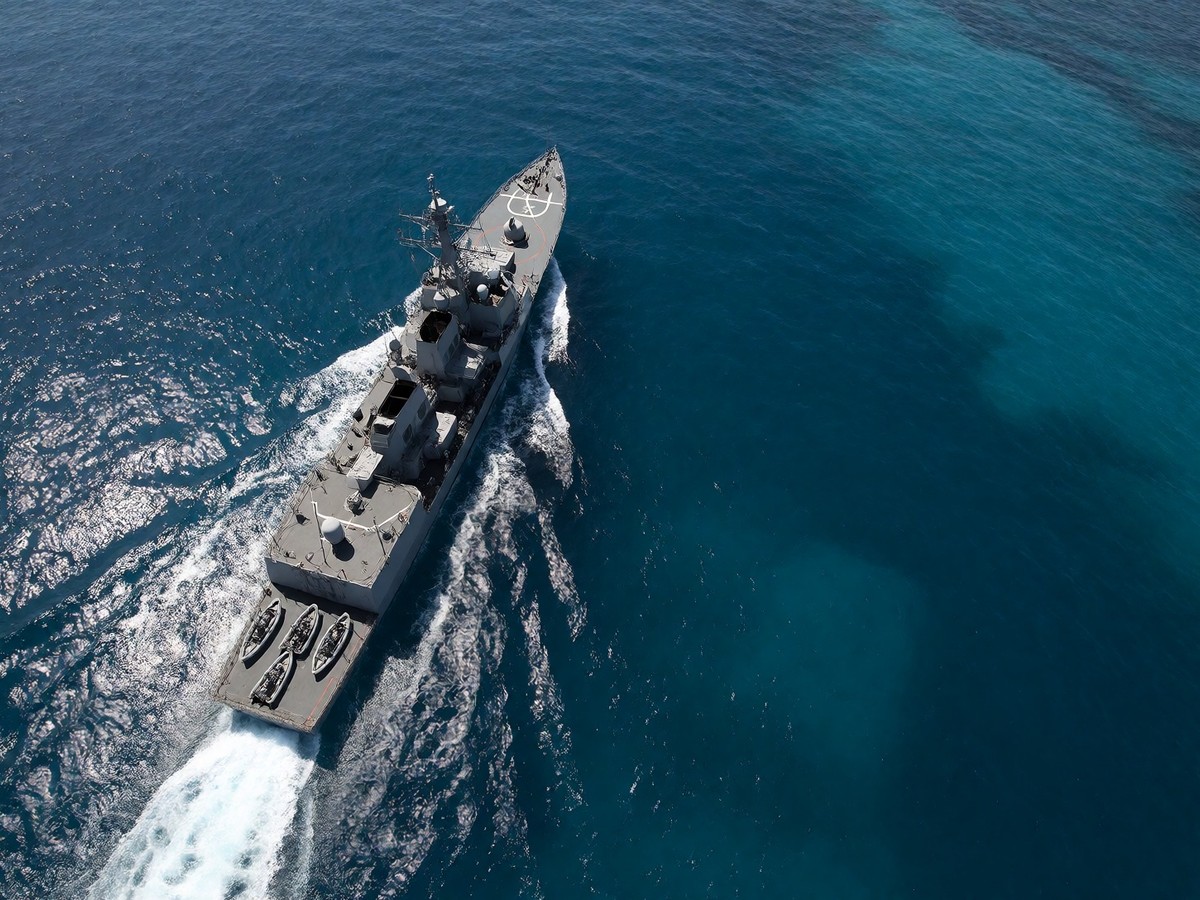
Clearly, the reinforcement of the unit provides essential protection for maritime commerce. The reinforcement is strictly for non-combat purposes, and the unit will operate independently of allied forces. Operations will remain restricted to the open waters south of Oman. The maritime patrol aircraft cannot target or monitor Iranian territory, territorial waters, or the interior of the Strait of Hormuz. The unit currently includes a 4,400-ton-class destroyer, a maritime operations helicopter, up to three rigid-hull inflatable boats, and 300 service members.
| Unit detail | Specification |
|---|---|
| Additional personnel | 75 personnel |
| New aircraft | P-8A maritime patrol aircraft |
The unit has operated in the Gulf of Aden since 2009 and faces an expiration of its Middle East deployment at the end of 2026. Seoul plans to increase the unit’s personnel by 75 and deploy a P-8A maritime patrol aircraft. This expansion follows a report by Yonhap news agency about the deployment extension.