The Midterm Trigger
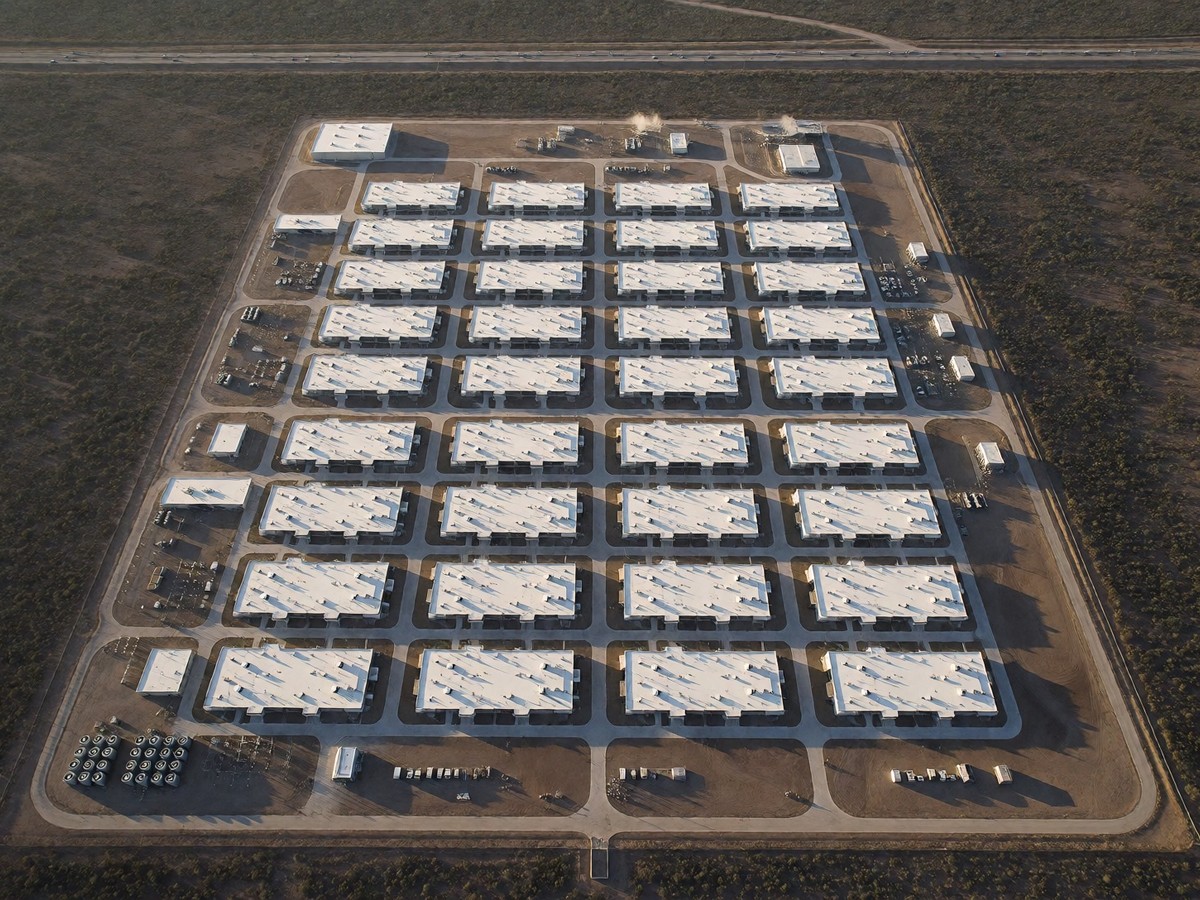
More than $3.2 trillion in market value vanished from US stocks on Thursday, a loss larger than Canada’s annual economic output. The Nasdaq dropped 5.5% while the S&P 500 fell 4.4%, extending the sell-off to Asia and Europe before a partial rebound failed to recover all lost ground. Investors attribute this volatility to the Democratic victory in the US midterm elections, which signals tighter regulatory control over artificial intelligence and datacenter construction. Challenging billionaire power was a central campaign theme, with moratoriums on resource-hungry facilities effectively on the ballot in several states facing growing public opposition. Elon Musk, who spent nearly half a billion dollars backing Republicans and moved his residence to Texas, saw shares in both SpaceX and Tesla fall sharply after the results. This political shift threatens to slow development in one of the primary engines of global corporate earnings.
The trigger arrives amid pre-existing fears that tech valuations are detached from reality. The cyclically adjusted price-to-earnings ratio reached its highest level since 2000, indicating unusual valuation relative to profits. Alphabet shares plunged last week after reporting lower-than-expected profits, wiping more than $500 billion from its value. Ben Barringer, head of technology research at Quilter Cheviot, argued it is too easy to say Democrats will be bad for datacenters. He noted that while there will be a pause in buildout and delay in approvals, new Texas governor-elect Gina Hinojosa is likely to be more pragmatic and ensure resources are more fairly allocated. Public opinion polls show most Americans oppose US datacenter construction, adding pressure for a check on progress.
Household Consequences
The "magnificent seven" tech stocks, including Nvidia, Apple, Google, Microsoft, Meta, Amazon, and Tesla, account for more than a third of the S&P 500. Funds tracking this index are directly tied to their performance, meaning the rout has enormous consequences for savers worldwide. AI has been a big growth driver, helping to soften the hit to the world economy from the war in the Middle East. A sustained sell-off would be a significant setback for countries hoping the AI revolution creates jobs and generates a productivity boost to overcome years of relative economic stagnation. Central banks have been raising interest rates in response to the inflation shock from the Iran war, but an economic slowdown could force a rethink amid the risk of stagflation, where weak growth accompanies fast-rising consumer prices.
Investors remain divided about whether things will get worse, though many worried a big crash was overdue. When investors begin to lose confidence, it can become self-reinforcing. Barringer warned that a virtuous circle could quickly turn into a vicious one, and they must now ride it out until the direction of travel becomes clearer. For some, the latest tech rout represents a reset rather than a lasting downturn because demand for AI and semiconductors will not vanish overnight. New tools will continue to be launched, and datacentres will be built. Mark Haefele, chief investment officer at UBS Global Wealth Management, said the AI investment cycle should remain intact despite the latest "market indigestion". He added, "We do not think fundamentals justify a prolonged downturn."