Rising infection rates in urban centers
Brazil has recorded 1,499 mpox cases so far in 2026, which is a 39.44% increase over the 1,075 cases in 2025. In Sao Paulo, one of the most critical cities for the disease, 120 cases occurred in November as of Tuesday, November 24, compared to 81 in October and 22 in September. Epidemiologist Ethel Maciel says the increase results from transmission chains, susceptible populations, limited vaccine coverage, and difficulties in timely diagnosis. She says the population and health services have a relaxed perception of risk following the 2022 outbreak. Because the virus enters the body through skin wounds or the mucous membranes of the eyes, nose, and mouth, transmission often occurs through prolonged face-to-face contact or physical intimacy that involves significant friction and skin-to-skin contact. Clarissa Damaso, a virologist at the Federal University of Rio de Janeiro, says she cannot determine the exact reason for the new peak, though she notes that a single event involving close contact can trigger a local outbreak. Maciel says a trend in public health involves reducing mobilization when an emergency loses visibility, which can compromise early detection. Damaso adds that as an outbreak is controlled, people forget the virus circulates and fail to seek care for small skin lesions.
Comparisons between virus strains and geography
The current situation is much smaller than the 2022 outbreak, which involved 10,591 cases and 14 deaths. In 2026, the Ministry of Health reports 1,499 cases and one death of a severely immunosuppressed person. Evidence suggests the clade 1b lineage, which originated in the Democratic Republic of Congo, is the predominant strain in recent Brazilian cases. While clade 1 was historically linked to more severe illness, specialists say the severity and fatality rates of clade 1b are similar to clade 2b. Damaso says that in Africa, clade 1b causes more body lesions, but this distinction does not affect treatment.
| Metric | 2022 Data | 2026 Data |
|---|---|---|
| Total Cases | 10,591 | 1,499 |
| Total Deaths | 14 | 1 |
| Sao Paulo Nov Cases | N/A | 120 |
The geographic distribution of cases shows high concentrations in Sao Paulo, Rio de Janeiro, and Ceara. Damaso suggests tourism might explain the cases in Ceara, where foreign visitor numbers rose 21.4% according to the Ministry of Tourism. Outside of Africa, men who have sex with men represented 92.8% of diagnoses between September 2025 and 2026, and sexual contact accounted for 96.3% of cases in that period. In the same period and region, 13.6% of diagnosed patients required hospitalization.
Limited vaccine access and medical management
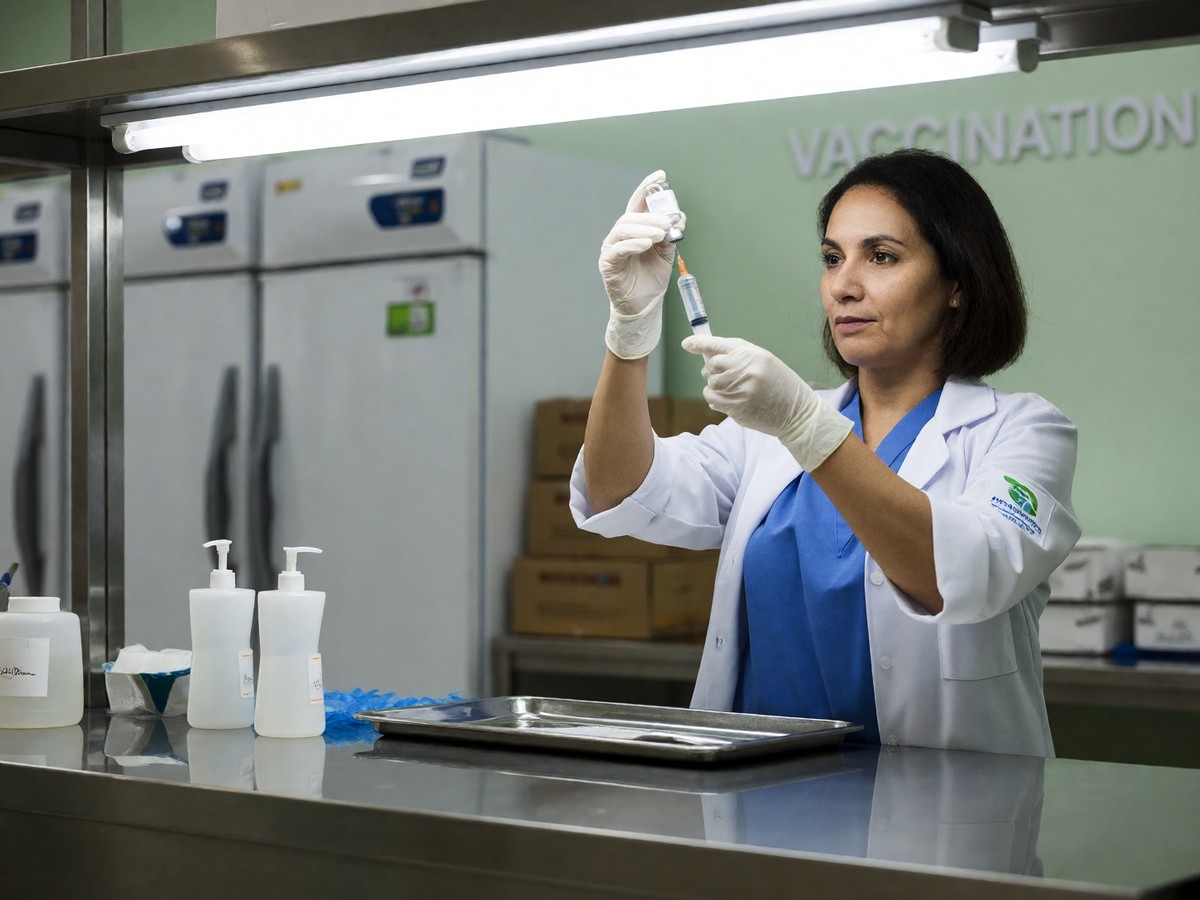
The Ministry of Health acquired 25,000 vaccine doses two weeks ago, but laboratory production capacity cannot meet the demand for the entire population. A single dose costs approximately US$ 65, or R$ 380, and patients need two doses for full protection. The vaccine has an effectiveness of 70% to 80%. The World Health Organization recommends targeting high-risk groups, such as people with HIV or AIDS and men who have sex with men. This strategy aims to prevent severe illness and help interrupt transmission chains, according to Maciel.
Mpox spreads through close contact with an infected person, primarily through sexual activity. Damaso notes that sexual contact involves more intense friction and a higher dose of the virus than touching an infected person’s hand. Mpox transmission also occurs through contact with contaminated objects like bedding, clothes, or towels, although Damaso says this is less common than sexual contact. For mild to moderate cases, doctors recommend hydration, rest, and managing lesions to avoid secondary infections. Most patients recover within two to four weeks using analgesics and antipyretics to control pain and fever. The disease can leave permanent skin depressions or pigment changes if lesions are deep or experience secondary bacterial infections.