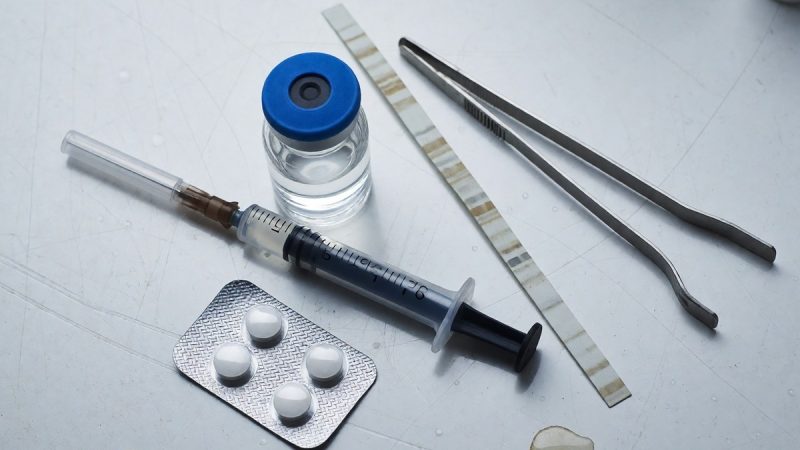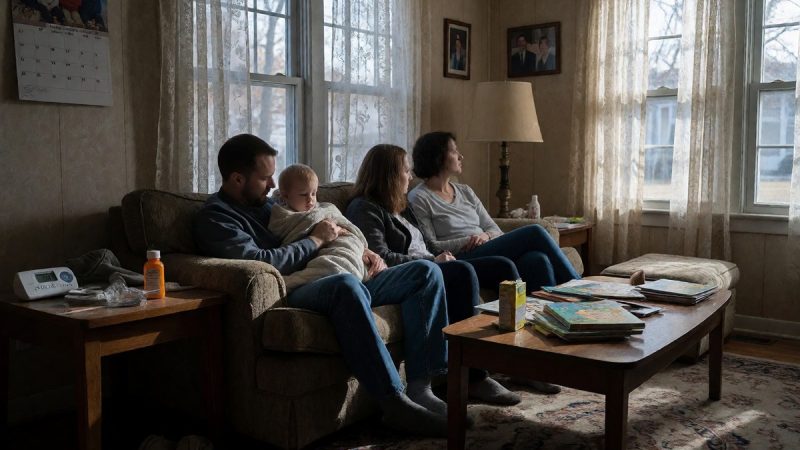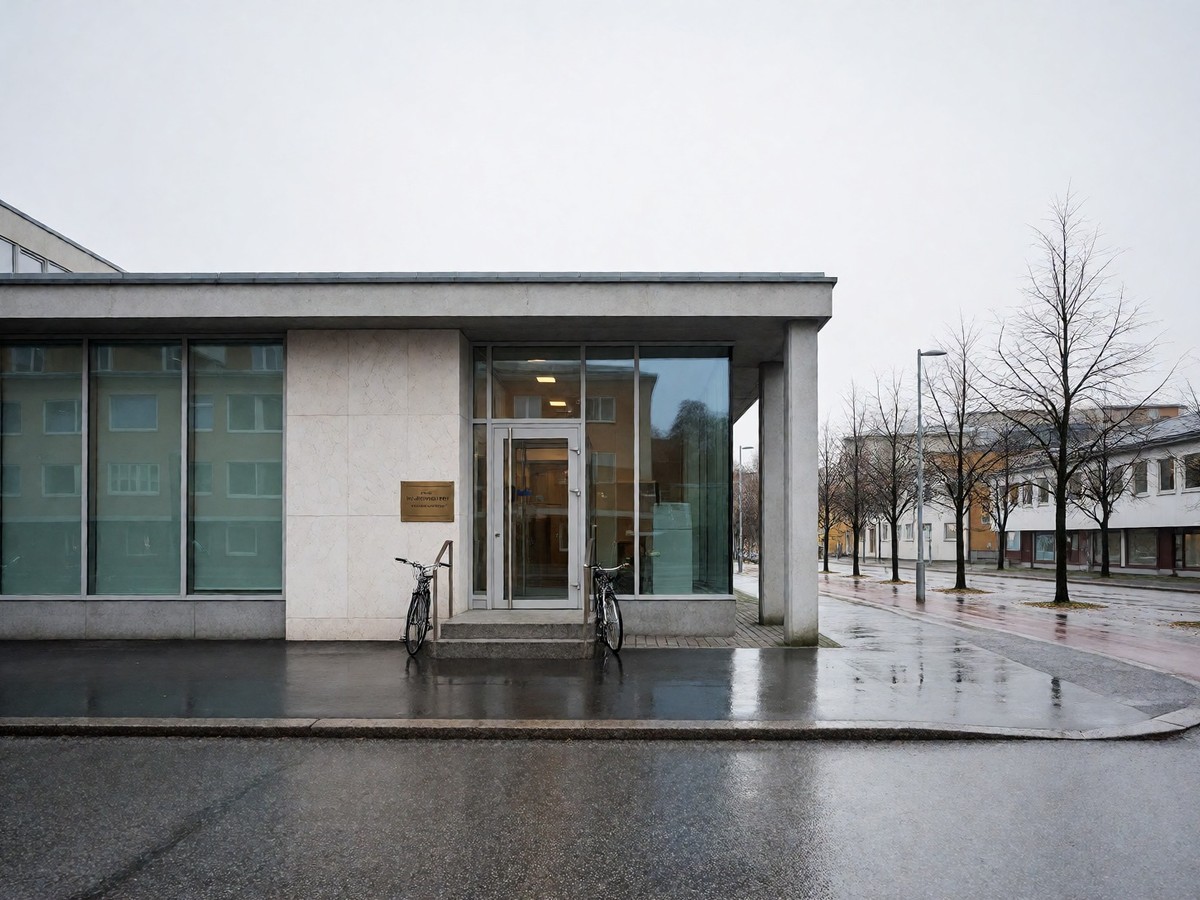
Mottagning Neuropsykiatri in Sweden reassesses ADHD and autism diagnoses, targeting people who find these labels hinder their careers. Freya, who received an ADHD diagnosis at age 12, says she was relieved to find she could get her diagnosis reassessed for free to help her apply for police work. She found the clinic’s method, which focuses on current symptoms instead of past history, helped her prove she no longer meets the diagnostic criteria. I see the same pattern with Johanna, a 24-year-old who was diagnosed with ADHD at 14 after a period of bad behavior at school. After her reassessment at age 21 during the clinic’s pilot phase, she no longer met the criteria and now works for her father’s company instead of pursuing a career in law enforcement. Medical staff at the facility believe this clinic is the first in the world established solely for this purpose. Billda, 22, also sought reassessment after finding her autism diagnosis, which followed a period of trauma, did not reflect her reality.
The clinic operates once a month and targets local residents. During a pilot study involving 72 people who actively sought to have their diagnoses removed, approximately 80% did not meet the diagnostic criteria for ADHD or autism. Sebastian Lundstrom, the clinic’s chief psychologist and an associate professor at Gothenburg University, notes that they do not delete original records but instead add new assessments as comments to the medical history. This distinction matters because Swedish law limits certain professions for those with these diagnoses. Since 2021, people with ADHD or autism can apply to the police if they provide a medical certificate, but a private certificate costs about 15,000 SEK or £1,100. Since 2022, those with ADHD can also join the military if they remain medication-free. I think the clinical approach of using questionnaires and interviews to focus on current rather than historical symptoms is what draws people to this service.
Lifelong conditions or outdated labels?
The clinic’s existence creates tension with medical standards. While clinical guidelines from the World Health Organization and UK health authorities define autism and ADHD as lifelong conditions, Sebastian Lundstrom argues that his clinic focuses on current symptoms to help people like Freya find new career paths without deleting their medical history. Navid Ganad, president of the non-profit Autism Skane, disagrees with this approach. He argues that withdrawing a diagnosis from an adult does not mean the condition has vanished and warns that symptoms might reappear later. Ganad claims that people who lose their official diagnosis may fail to receive timely support when they need it most.
Other advocates view the clinic as a source of social pressure. Yenny Hedin, representing Organiserade Autister Vasternorrland, says the service portrays neurodiversity as a problem to be fixed. She notes that people, particularly women, often feel forced to mask their symptoms to fit in, which can lead to pressured reassessments. I find this concern about social conformity particularly striking when compared to the work of Eric Donnell. Donnell, the president of the charity Riksforbundet Attention, argues that instead of forcing individuals to change their diagnoses to suit the job market, the focus should remain on lobbying to change the employment rules that penalize neurodivergent people.
Employment barriers and the UK perspective
The debate over whether to change the individual or the environment involves different medical perspectives. Sophia Eberhard, a senior consultant in child and adolescent psychiatry, supports the reassessment process and says the medical community has a responsibility to help young people move forward with their lives. This contrasts with Georgina, a 35-year-old in the UK, who wants to remove her autism diagnosis after colleagues treated her poorly. Georgina’s diagnosis, once viewed as a way to be understood, caused coworkers to look down on her.
| Feature | Swedish Clinic Details |
|---|---|
| Frequency | Once per month |
| Target Group | Local residents |
| Pilot Result | 80% of 72 participants failed criteria |
| Police Certificate Cost | 15,000 SEK (£1,100) |
Georgina considered an NHS reassessment but prefers the Swedish clinic’s policy of not adding new, unwanted diagnoses during the process. She is currently investigating how often existing diagnoses are overturned before making a final decision. While the clinic’s methods remain controversial, it continues to receive inquiries from the UK, Denmark, Norway, and Germany.