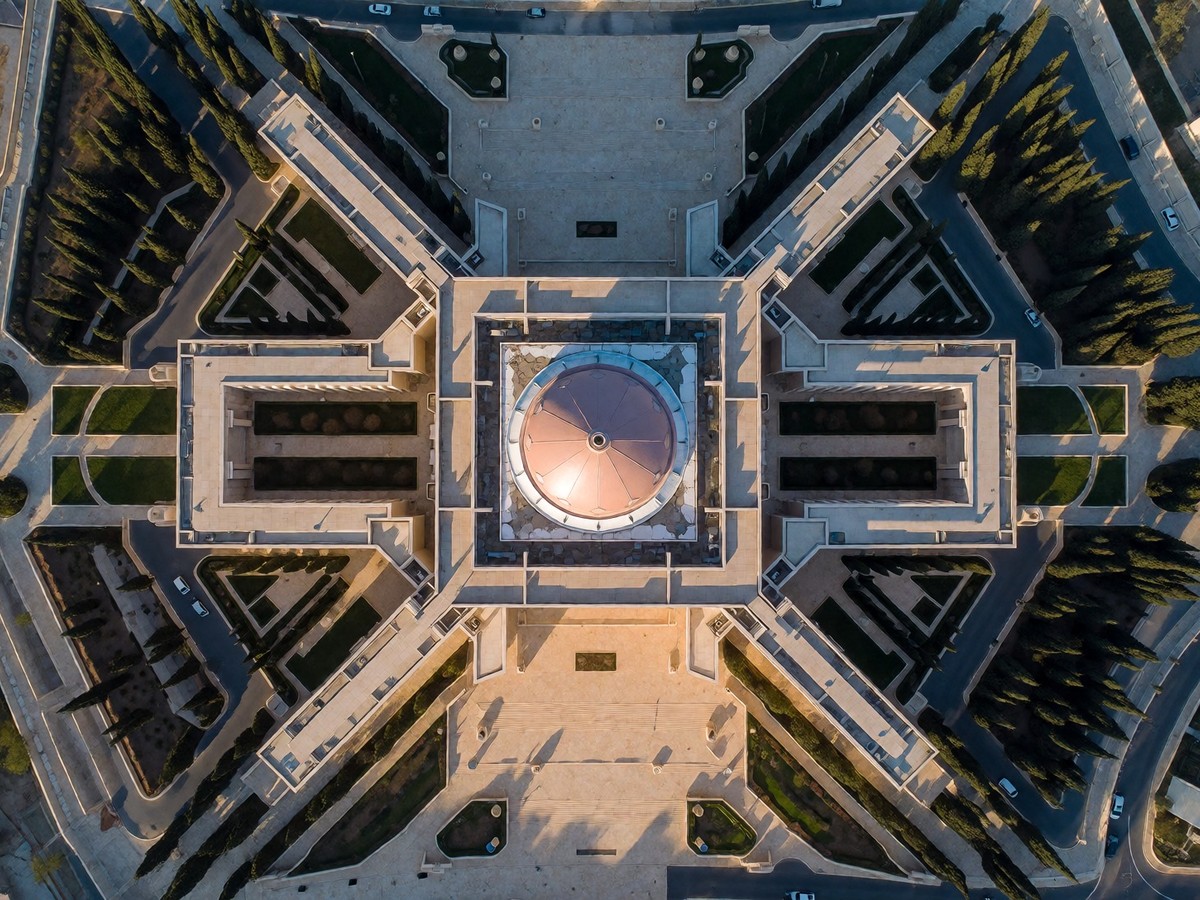
President Isaac Herzog informed Yashar leader Gadi Eisenkot on Saturday night of his intention to task him with forming a new government. The formal appointment will occur during an official ceremony at the president’s residence in Jerusalem on Sunday. This decision follows a deadlocked election that left neither Eisenkot nor Prime Minister Benjamin Netanyahu with a clear path to power. Eisenkot, who is 66 years old and served as military chief of staff from 2015 to 2019, is now set to attempt to unite Israelis after Netanyahu’s divisive tenure. He wrote on X that "Now is the time to form a national emergency government" and pledged to do everything to ensure they are worthy.
Seat Count and Kingmaker Dynamics
The October 27 election results created a stalemate where Netanyahu’s religious-nationalist coalition lost its majority but still emerged as the largest bloc in parliament. His camp secured 53 seats, while Eisenkot’s wide-ranging opposition bloc won 48 of the 120 total seats in the Knesset. Neither side holds a majority, making third-party support essential for any viable coalition. During party consultations with Herzog, Eisenkot received endorsements from both Arab-majority lists, which made unprecedented gains in the vote. These groups could now play kingmakers, though it remains unclear if Eisenkot’s bloc would accept their support in forming a government. If successful, Eisenkot would take over as prime minister from Netanyahu, Israel’s longest-serving premier.
Policy Stance and Military Legacy
Eisenkot has vowed to crack down on extremist West Bank settlers who have attacked Palestinians with impunity, decrying recent incidents as "Jewish terror" abetted by the current government. However, he opposes the creation of a Palestinian state and vowed to end Hamas’s rule in Gaza while destroying the Islamist movement’s military wing. His approach reflects his military background, specifically his command during the 2006 war with Hezbollah where he devised the so-called "Dahiya doctrine". That strategy involves using massive force against civilian infrastructure in areas controlled by Lebanese militants. This hardline stance contrasts with his stated goal of unifying the country after the political shift to the right under Netanyahu. The success of his mandate depends on navigating these complex policy positions while securing enough parliamentary votes.