HMRC data reveals the UK spent at least £100m on seven inland border facilities that never reached full operation. The National Audit Office estimated total Brexit costs at £4.7bn last year, a figure including software transformation and customs systems. Five of the seven sites in England and Wales were decommissioned after the government decided not to implement all planned checks on goods from the EU. Officials concluded food standards remained high, rendering the infrastructure redundant. This decision left taxpayers funding structures that now sit empty or require costly closure.
Specific site failures
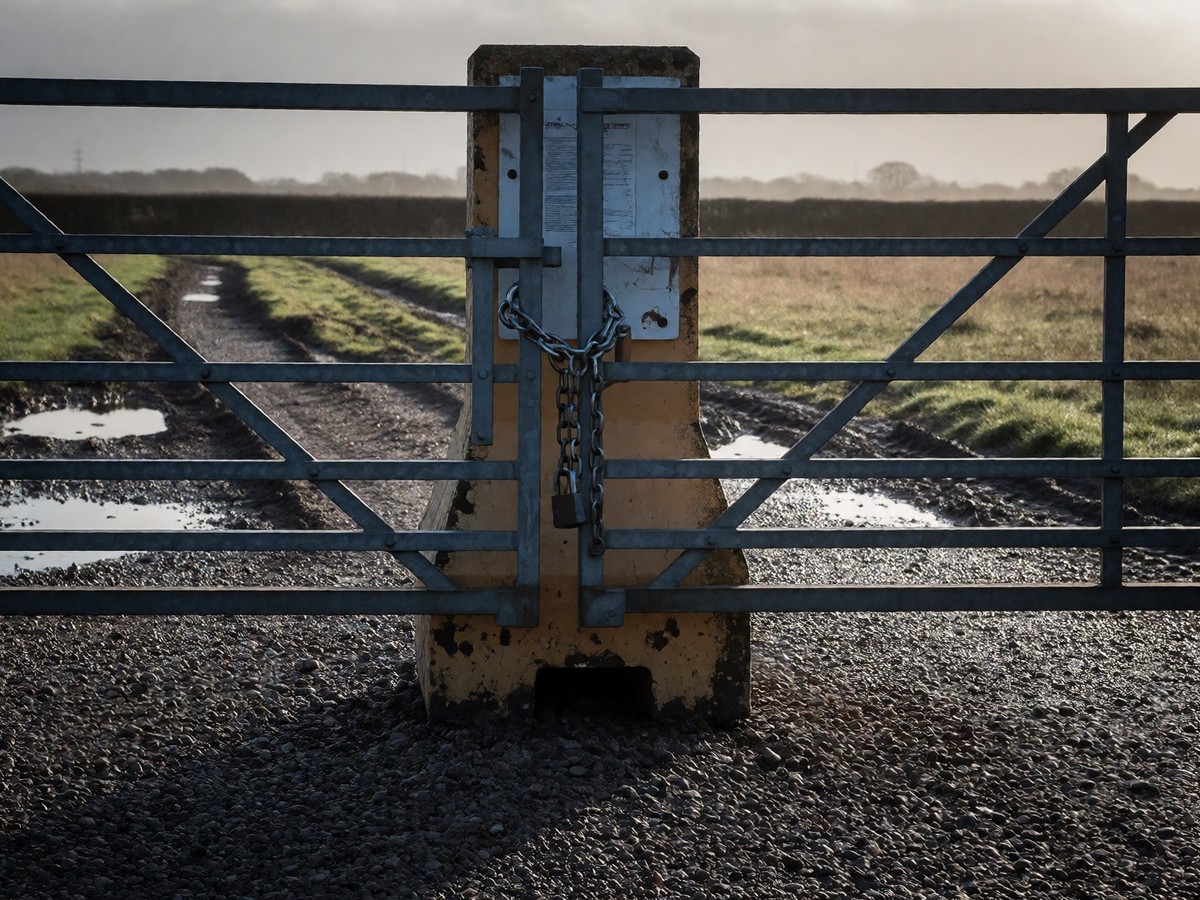
The most controversial facility, known as "Dover white cliffs," cost the taxpayer £28m yet remains an unused field. The Department for Transport paid £21m to procure the site and spent another £7m on ground works, including an archaeological survey for roman remains. Residents in Guston learned of the plans on 31 December 2020, just hours before the transition year ended. In Birmingham, a facility planned for an airport car park cost £11m to build and £6m to close. The Warrington site, located at a former coach stop, required £7m for land, £9m for construction, and £1m for decommissioning. These figures exclude investments by Eurotunnel, which spent €50m on truck check infrastructure and €90m on passenger changes that France has never activated.
Operational remnants and financial burden
Only two sites remain operational: Sevington in Kent and Holyhead in Wales. Sevington, chosen because Dover is a designated area of outstanding beauty, incurred £154m in capital costs. This includes £30m for farmland acquisition and £70m for construction. HMRC reports operational costs have reached £179m, money that would not have been spent had the UK not left the EU. Holyhead cost £14m to acquire and £23m to build. Portsmouth port spent £23m on its own border control post, with the city council covering a £6m shortfall after receiving £17.1m in government funding. Mike Sellers, the port director, notes only two trailer checks occur daily compared to the 80 originally envisioned. He states the bespoke facility is unsuitable for general warehousing and that repurposing it costs almost as much as demolition. Portsmouth and other ports are calling on the government for compensation as these assets become redundant under the new EU deal.