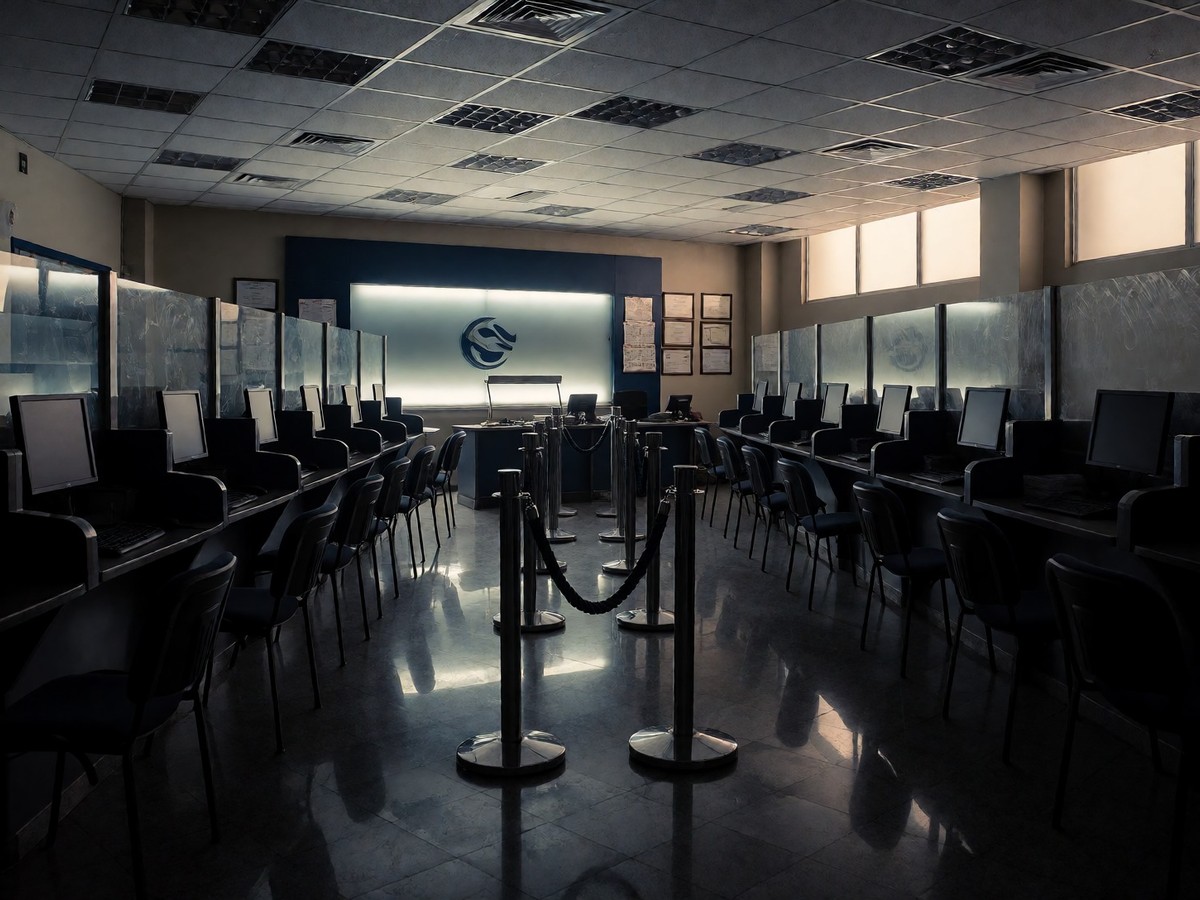
On Monday night, the central bank ordered Ueno Bank into resolution over insolvency. The move froze accounts for nearly 3 million Paraguayans, representing about 60% of the adult population. Pedro Volpe, a 50-year-old writer and lawyer, woke up on Tuesday to find his balance invisible in his banking app. He was one of many customers who could not access funds immediately after payday. The digital lender had expanded aggressively across the country in recent years, offering generous investment returns that attracted a massive user base.
Political fallout and frozen assets
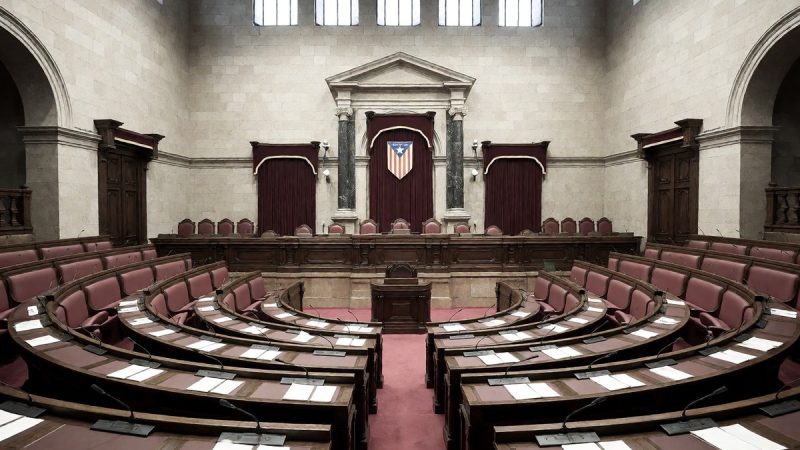
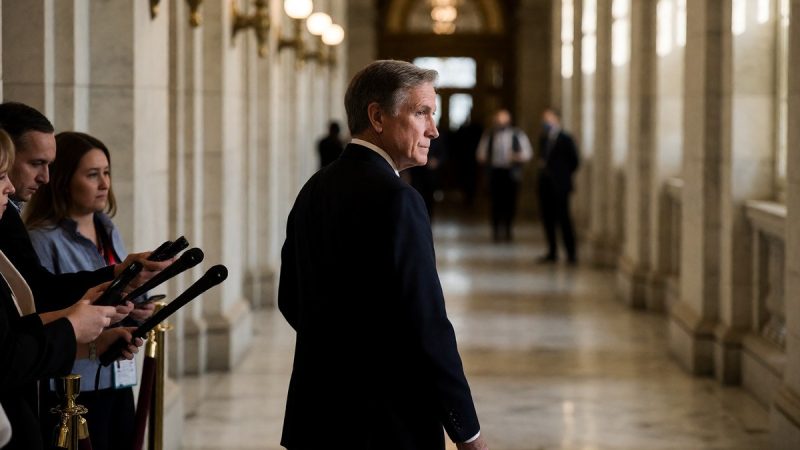
Rightwing President Santiago Pena resigned the day before Friday’s impeachment vote in a vain attempt to retain the special jurisdiction afforded to former presidents. Lawmakers stripped him of the lifetime senate seat anyway, meaning he will face criminal proceedings in ordinary courts. He went from being a market favorite among Latin American leaders to facing fierce mass protests within days. The public prosecutor’s office is investigating Pena on suspicion of illicit enrichment, money laundering, and influence peddling. He denies all allegations, and his lawyers claim there is no evidence he directed the allocation of pension funds to the bank.
Pena appointed Carlos Carvallo Spalding, then Ueno’s CEO, to lead the central bank soon after taking office at age 44. Less than three months later, Spalding authorized Ueno to become a digital bank. Pena held approximately $1m in shares of a company that became Ueno Holding in 2022, disposing of them only in April 2025. He described his purchase as purely an "investor" decision. An estimated $800m to $860m in state and pension funds were invested in the bank during his administration. Internal central bank reports pointing to irregularities, including loans to companies within the same group, were dismissed by Pena as a "false media campaign."
The economic impact has been severe, with businesses reporting an overall fall in sales of up to 80% this week. Media outlets belonging to the bank’s financial group saw operations suspended, including radio stations and the century-old newspaper La Tribuna. This freeze left 300 workers without salaries for an initial period of 90 days. About 32,000 pensioners whose public funds were invested in the bank are currently without payments. Fabian Chamorro, a historian and political analyst, noted that many people are not working because they cannot get paid or make payments. He stated that Congress used impeachment to prevent a popular explosion as protests grew daily.
Recovery limits and ongoing uncertainty
A guarantee fund covers deposits of up to $38,000, which applies to more than 90% of individual account holders. On Friday, the central bank began making payments to customers holding up to $1,565 with no outstanding debts and an existing account at another institution. Paola Benitez, a 25-year-old chef from Asuncion, met all three requirements but had not recovered her wedding savings by late Friday afternoon. She described the situation as "very strange, very confusing, very sad," expressing anxiety about who to ask for help. Police arrested eight senior executives and directors of Ueno and its controlling group on suspicion of concealing the bank’s deteriorating financial position for months. Spalding also resigned and was ordered arrested on Friday night. Most affected people still have no access to their own money, leaving millions uncertain about how they will pay for basic necessities like food in the coming weeks.