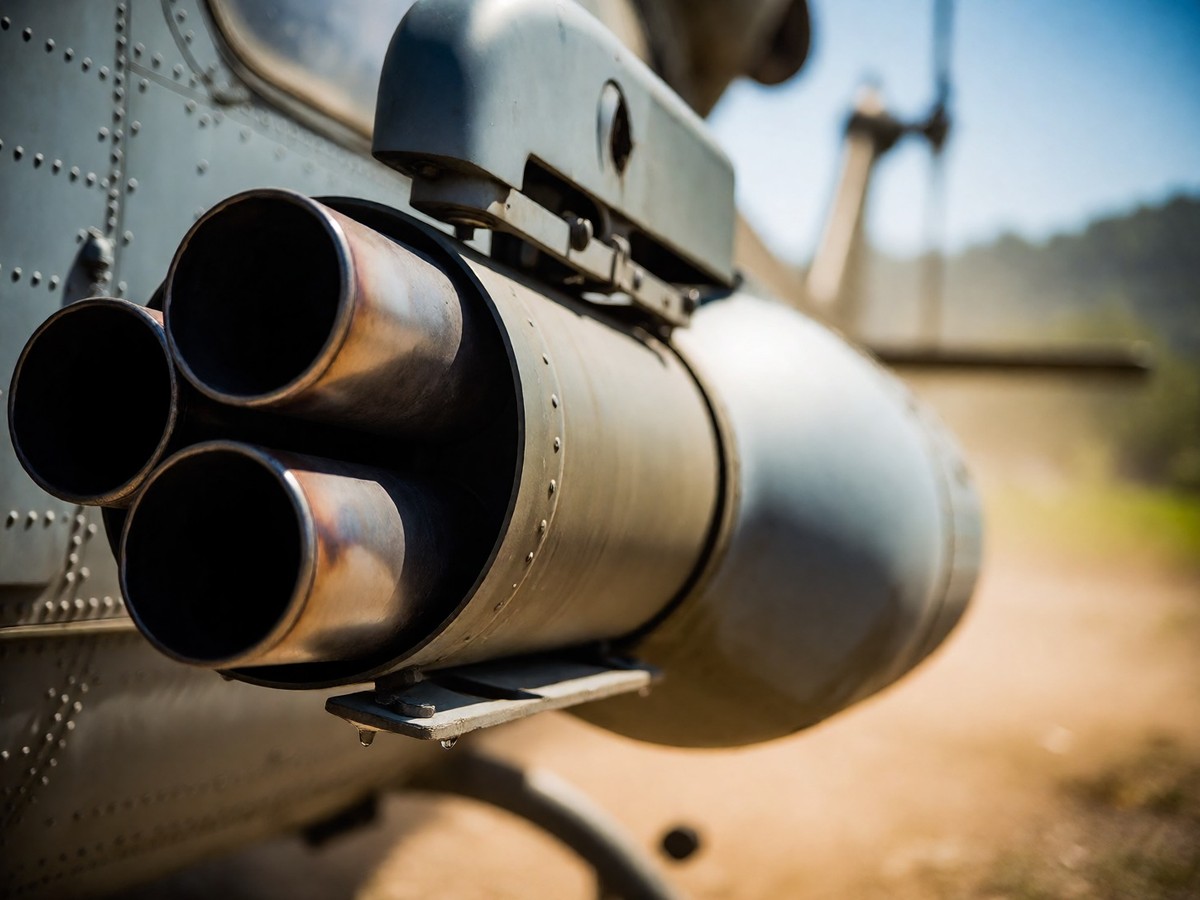
President Nayib Bukele announced on Tuesday that Salvadoran forces destroyed the 400 Mawozo gang’s headquarters and the residence of its leader, Wilson "Lanmo San Jou" Joseph. The attack targeted a complex in Croix-des-Bouquets, a suburb east of Port-au-Prince where the group maintains a stronghold. This operation marks El Salvador’s first direct military strike against a Haitian target since deploying over 2,000 soldiers to the island last month. Those troops arrived to rescue four air force technicians who were abducted at gunpoint while food shopping in October. Bukele posted video of helicopters firing on the property, noting that most gang members fled without fighting. He called them "cobardes" in his X post, though he provided no official count of casualties or injuries.
Attack details and verification gaps
The Miami Herald reports that Haiti’s National Police drone task force executed the strike with support from Salvadoran soldiers. AFP sources indicate the operation used explosive drones, ground troops, and four helicopters, two of which were operated by Central American military personnel. While several media outlets report up to 20 armed men were killed inside the property, authorities have not confirmed this figure. Insecurity in the area has prevented journalists and organizations from verifying the extent of damage on the ground. Locals question whether the building was fully destroyed or merely damaged. AP notes that Joseph was not present during the raid, as gang leaders typically alternate between multiple residences. The BBC could not independently verify the video footage or confirm the specific location is indeed the gang’s primary base. Despite these verification hurdles, Bukele claimed the mission fulfilled his promise to dismantle the criminal organization’s infrastructure.
Political fallout and humanitarian context
Haitian Prime Minister Alix Didier Fils-Aime thanked the Salvadoran military for its commitment to fighting gangs. He stated that both nations would continue working alongside the UN-backed Gang Suppression Force to regain control of territory. However, critics argue that the deployment raises serious questions about operational legitimacy and legality. Amnesty International has urged both countries to ensure all operations comply with international human rights law. The four missing technicians are part of the GSF, a multinational force initially led by Chadian soldiers. Their whereabouts remain unclear despite Bukele’s vows to bring them home alive. The 400 Mawozo gang is the largest criminal organization in Haiti, known for kidnappings, extortion, and arms trafficking. The United Nations reported that at least 5,700 people were killed or injured by gangs or counter-gang operations between January and September this year. Human rights groups criticize Bukele’s methods in El Salvador, citing unlawful extensions of emergency laws and mass trials. Yet, such concerns do not appear to phase him as he continues to directly target gang leaders. The attack followed a public exchange on X where Bukele demanded the exact address of the house to destroy it.