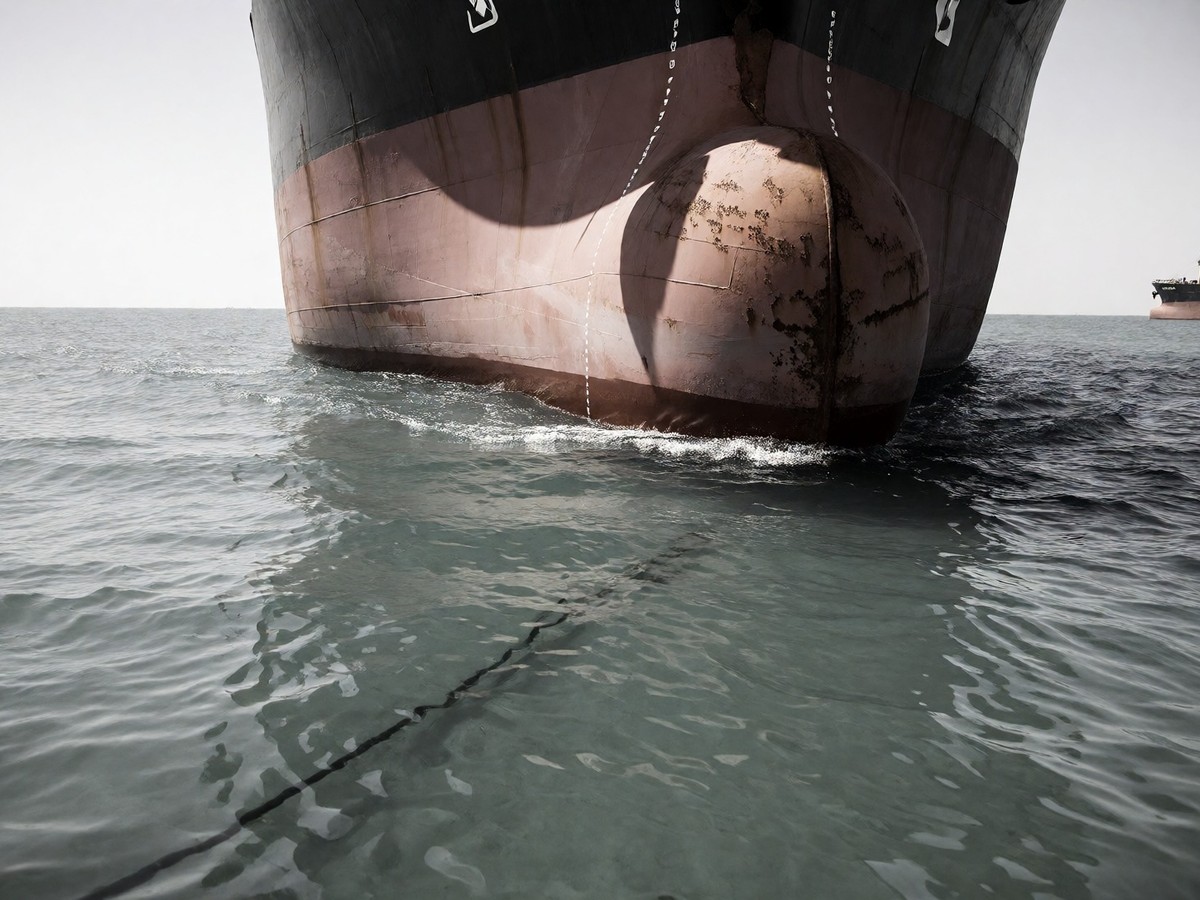
Maritime intelligence firm Windward tracked the movements of three sanctioned tankers and an Iranian fishing boat in October, revealing they drifted directly over major undersea cable corridors in the Gulf of Oman. The vessels spent days hovering with no commercial reason to stop, and both ships carried no cargo. Windward used ship-tracking data and satellite images to observe the vessels slowing down and looping around multiple cables before switching off their automatic identification system transponders. This behavior suggests the Iran-linked ships may be "mapping the cable routes, or placing charges or mines on them while dark." The company reported these findings to the Financial Times, noting that such patterns indicate a possible preparation for attacks on undersea infrastructure in response to renewed US and Israeli strikes.
Six active cables currently cross through the contested Strait of Hormuz, linking the Middle East to Europe, Africa and Asia, while two more have segments under construction in the region. Four countries, including Iraq, Kuwait, Bahrain and Qatar, depend entirely upon such subsea telecommunications connections running through the Strait of Hormuz chokepoint to link with the outside world. One third of India’s westbound Internet traffic goes through the Persian Gulf and Strait of Hormuz, making the network vital for regional connectivity. The 2Africa cable, owned by a tech consortium that includes the US company Meta, was one of the major cable corridors visited by the drifting Iran-linked ships. The presence of these vessels near critical infrastructure creates a significant risk for global digital communication. Windward’s analysis clearly shows a deliberate pattern of surveillance and potential sabotage preparation by state-linked actors. The lack of commercial cargo on the tankers confirms their purpose is not transport but strategic positioning. This situation demands immediate attention from international security bodies to protect vital undersea assets. The threat to these cables is real and documented by reliable maritime intelligence sources. Protecting this infrastructure is essential for maintaining global internet stability and economic flow.