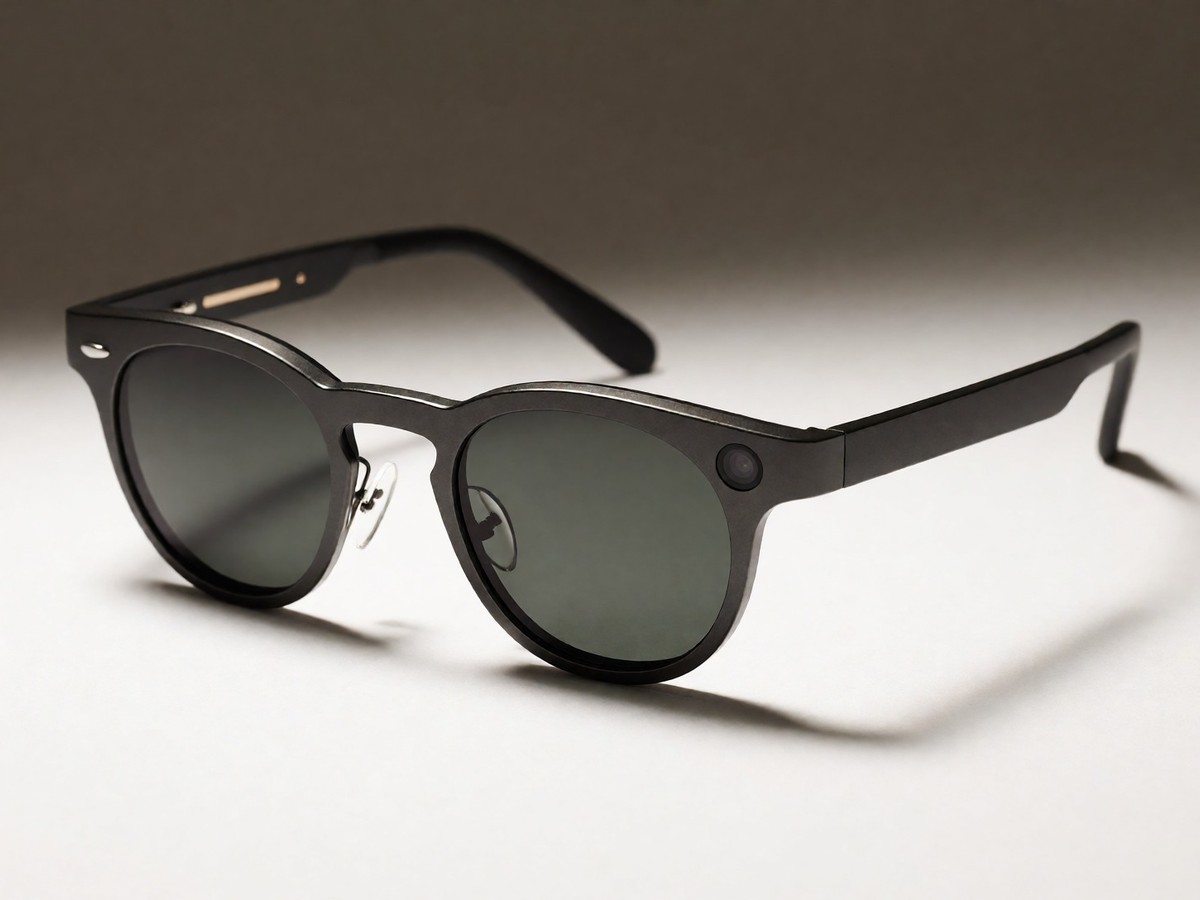
Google, Samsung, and eyewear designers have launched a new line of intelligent eyewear that is now available for preorder. The devices combine hardware from Samsung with software from Google to create a hands-free experience for the Gemini era. Users can activate the AI by saying "Hey Gemini" or tapping a touch-sensitive area on the frame. This setup mirrors the Ray-Ban Meta glasses but removes the need for a phone screen. The privacy angle remains a central concern as these devices place a computer directly on the user’s face.
Frame options and pricing
Warby Parker offers three distinct frames named Alden, Reid, and Wren in Pine, Saddle, and Jet Black colors. These models start at $395 and include both standard optical and sun lenses for customers in the United States. Gentle Monster provides six different styles in dark red, pink, gray, and yellow, though Google has not yet released specific names for these designs. Their prices begin at $449 and they are sold in the US and South Korea with clear, tinted, blue, or brown lens choices. All frames weigh approximately 41 grams, which sits near the top end for general glasses before adding the weight of prescription lenses. Final pricing will vary based on the specific lens type selected by the buyer.
Interaction and performance
The system lacks any screens in the lenses, so users rely entirely on voice commands or camera activation to interact with the robot. The experience should feel similar to using Gemini Live on a phone, but it is much easier to fire up the AI without holding a device. I find the 41-gram weight acceptable for daily wear, although it will definitely feel heavier once you account for custom prescription lenses. The collaboration clearly prioritizes comfort and design over raw computational power, relying on Samsung’s internal hardware to handle the processing load. Google has positioned this launch as a serious attempt to solve the privacy issues that plagued previous iterations of smart glasses. The $395 entry point makes the technology accessible, but the lack of visual displays limits its utility compared to other augmented reality options.