The Federal Aviation Administration has deployed its $875 million SMART system across all 22 air traffic control centers in the United States. This expansion follows a successful initial rollout in the National Capital Region on September 21, where the tool helped reroute 180 flights. The agency claims this effort saved an average of 10 minutes per flight and nearly 80 gallons of fuel per flight. I view these metrics as a strong baseline for national performance, provided the human validation process holds up under broader load.
How the System Works
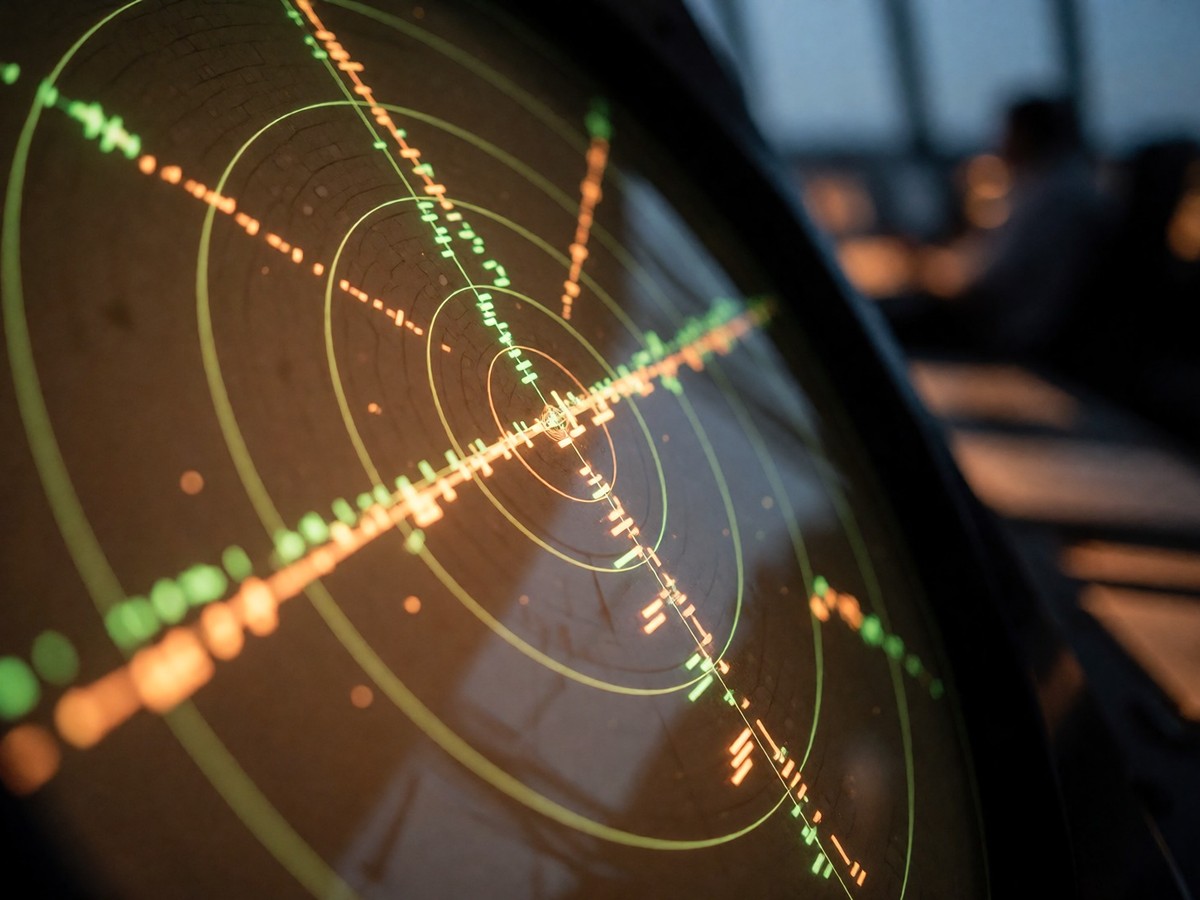
SMART is a cloud-based platform that analyzes "weather patterns, flight paths, traffic flow and controller staffing metrics" to predict congestion. It generates scheduling recommendations, identifies optimal routes, and determines arrival order for aircraft. A team of FAA specialists based in Washington, DC, validates every recommendation before passing it to local control facilities. This human-in-the-loop design ensures that no automated decision reaches the tower without expert review. The system aims to reduce delays and improve the travel experience by processing complex data faster than manual methods.
Union Concerns and Operational Reality
Airline executives support the rollout, but the labor union representing air traffic controllers states it was not involved in designing or testing the AI-driven system. This exclusion raises legitimate questions about worker buy-in and potential friction during implementation. The FAA posted its statement on November 10, confirming the nationwide scope of the deployment. I find the lack of union input concerning because controller trust is essential for smooth adoption. If the validation team faces resistance, the promised efficiency gains may stall. The financial savings are real, but the social cost of bypassing the workforce could undermine long-term stability. We will see if the 10-minute savings hold as traffic volume increases.