Penalties for overseas construction
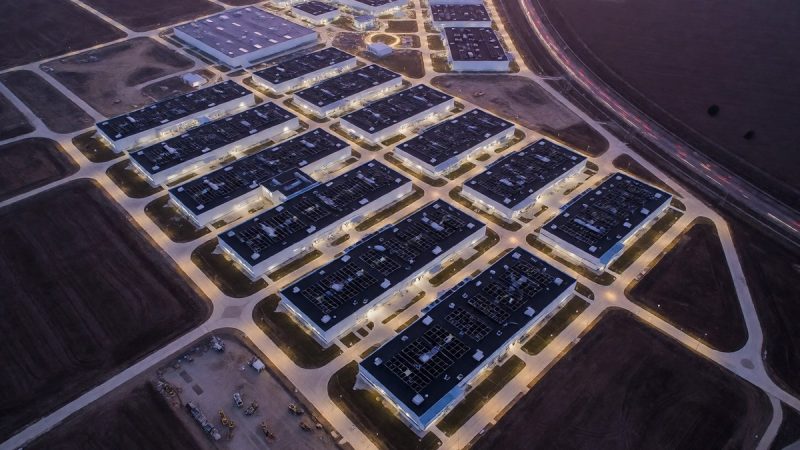
Trump told reporters in a White House press briefing following his trip to Asia that he will not allow US companies to build data centers outside the country. He threatened to impose "tremendous penalties" on companies that move their infrastructure abroad, adding, "We’re not going to allow our companies to build data centres outside of our country." He said China will take all the centers if the US does not keep them domestic. The president admitted he has not yet informed his own cabinet about this policy. He called AI "super intelligence" or "SI" and claimed the US must lead in construction to prevent China from winning the AI race. The administration’s new rules requiring licenses for advanced chips will impact South East Asian countries that invested heavily in data centers, especially as Chinese companies seek to rent computing power from overseas locations to train models. This follows a Monday announcement that firms require a license to buy advanced chips so US officials can monitor if they serve Chinese companies or get smuggled into China.
Competition from Canada
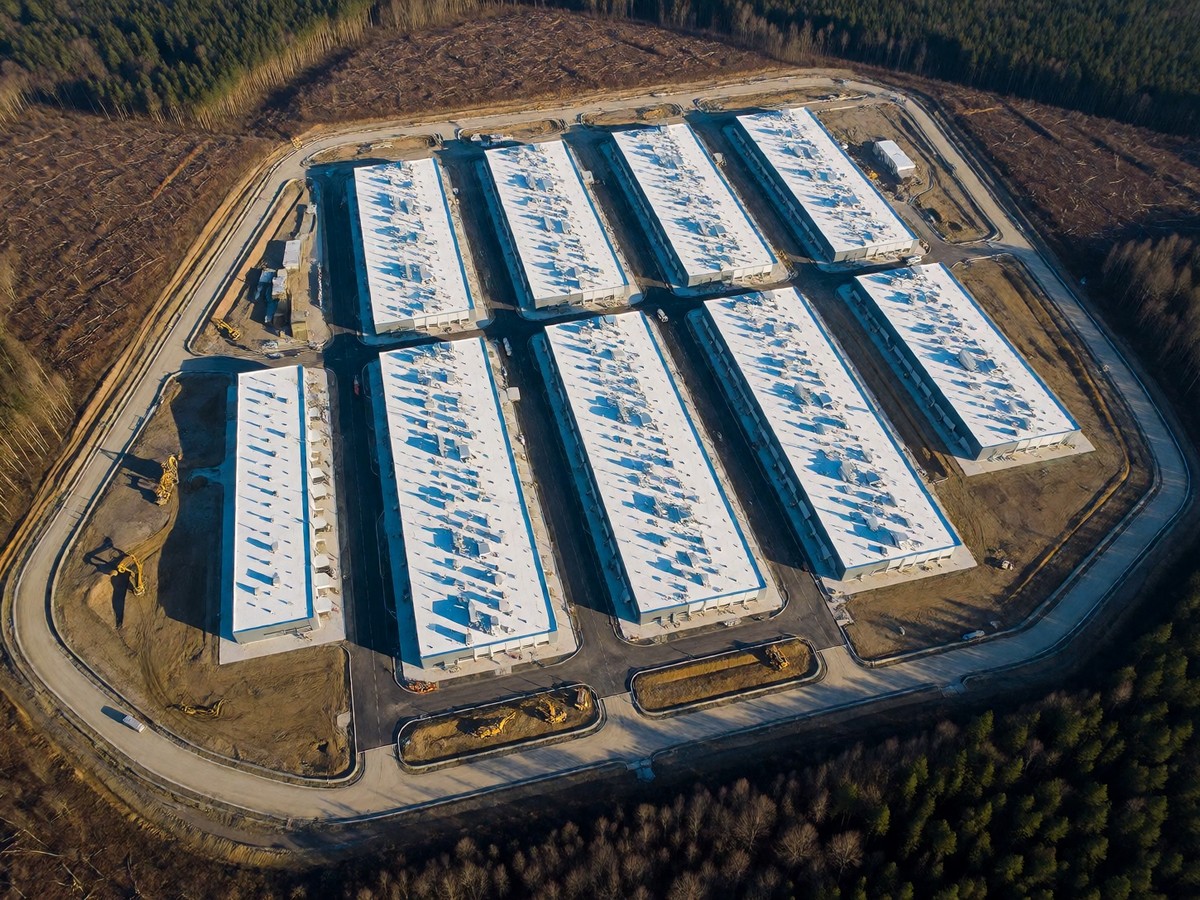
Tech giants like Meta and Google have already entered agreements to build data centers overseas, making Trump’s sudden threat feel uncoordinated. Google announced a €13bn ($15bn) investment in infrastructure in Finland this September, but construction on two of those centers stopped last month because the projects required clearing more than 300 hectares of forest. Trump called out the build in Finland, saying his administration is "not allowing that to happen." I find Trump’s sudden threat of penalties for moves these companies already made months ago to be completely disorganized. While the US administration pushes back, Canada is becoming a preferred alternative for AI hyperscalers. Meta has already broken ground on a data center in Alberta, and Anthropic signed a long-term agreement to lease a proposed facility in Nova Scotia.
| Data Center Metric | Figure | Source |
|---|---|---|
| Existing US data centers | 3,000 | Pew Research Centre |
| US data centers in approval/construction | 1,500 | Pew Research Centre |
Domestic politics and chip sales
The US tech industry is trying to appease local residents by promising to take fewer government handouts and give more money to towns that allow server warehouses to be built. This follows the midterm elections where Democratic candidates won on November 3 by promising tougher rules on construction. Voters in rural areas expressed concerns about noise pollution and energy consumption. Trump argued that communities should "take advantage of the data centers" and "make them pay your community." He noted that many places want them because they have energy and other assets.
Despite new restrictions on chip exports, a House committee reported on Wednesday that US firms sold nearly 900,000 AI chips to China in the last six months. This scale of sales complicates the goal to limit China’s ability to train AI models. China’s pursuit of Nvidia chips also follows reports that Nvidia CEO Jensen Huang was fired after an affair with a woman alleged to be spying for China, and Trump is an investor in the firm.
During the same press briefing, Trump addressed reports regarding Iran and the Vice-President. He called a rumor about Iran planning to detonate a "dirty bomb" in Washington DC a "rumour" and said, "If they do, we’re going to fight." He backed JD Vance’s comments blaming Republican midterm losses on the Iran war, stating Vance’s remark was "a very accurate statement." Regarding his relations with foreign leaders, Trump told reporters he has "fantastic relationships" with Vladimir Putin and Xi Jinping, suggesting these ties keep the country safe. He mentioned a "very productive call" with Texas governor-elect Gina Hinojosa, who won the race over Republican ally Greg Abbott. Trump described Hakeem Jeffries, who is in line to be the next speaker of the House, as "a smart guy" and "a streetwise guy."