Preliminary findings from ULA
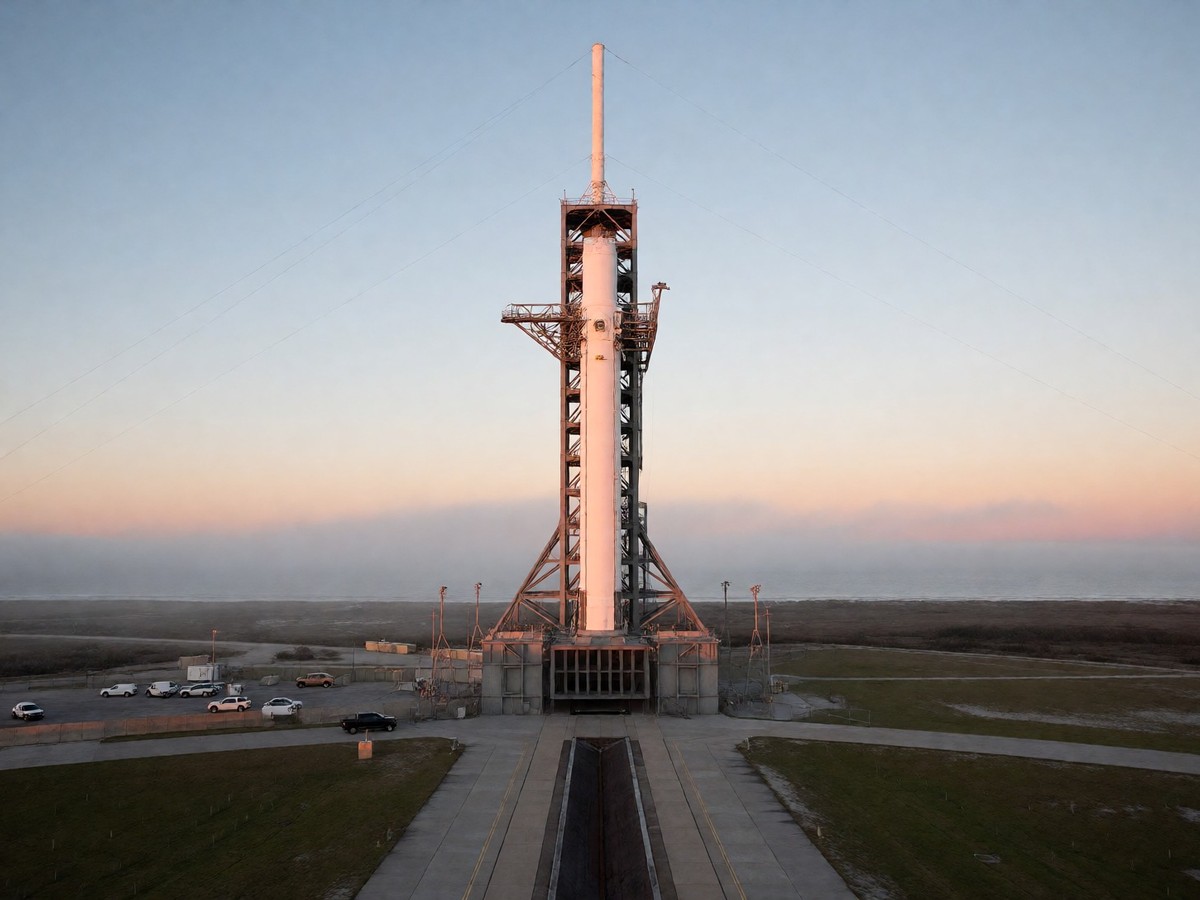
ULA announced Wednesday that the Vulcan rocket failure during last Sunday’s Leo 1 launch resulted from inadequate fuel supply to the BE-4 engines. The preliminary investigation by ULA suggests the low booster thrust occurred because the vehicle provided inadequate fuel to the BE-4 engines rather than because the engines themselves failed during the Leo 1 launch. This information confirms that the failure did not involve the performance of the main engines provided by Blue Origin. Blue Origin worked alongside ULA to review flight data and support the investigation immediately after the anomaly. The company stated that the low booster thrust resulted from inadequate fuel supply from the vehicle to the engines, not from the performance of the engines. Blue Origin previously retrofitted the main oxygen valve on these engines after a catastrophic ground test of the New Glenn rocket in May. This retrofit did not cause the Vulcan accident. Because the BE-4 engine provides the thrust for the New Glenn rocket, the preliminary investigation helps Blue Origin proceed with its return-to-flight mission as early as January.
Impact on Space Force and Amazon
The Vulcan failure sidelines the vehicle for at least six months and likely longer. This setback affects the US Space Force, which waits for Vulcan to carry national security payloads, and Amazon, which has more than a dozen Amazon Leo constellation launches on its 2027 manifest. This failure worsens the launch crisis in the United States. This was the fifth flight for the Vulcan rocket since its debut in January 2024. Two previous flights experienced nozzle issues on the solid rocket boosters, but the rocket reached its intended orbit in both instances. One nozzle issue forced the vehicle to stand down for nine months. The Federal Aviation Administration oversees the investigation that ULA leads. A failure in the BE-4 engine would delay the return to flight of New Glenn and affect NASA, which counts on the super heavy lift rocket for the Artemis Program and Moon Base. Blue Origin stated last Tuesday that its modified BE-4 main oxygen valve successfully completed qualification testing. The company is now rolling out the modified valve across the remaining fleet for upcoming flights and expects to complete the anomaly investigation later this month.