Victims and identification status
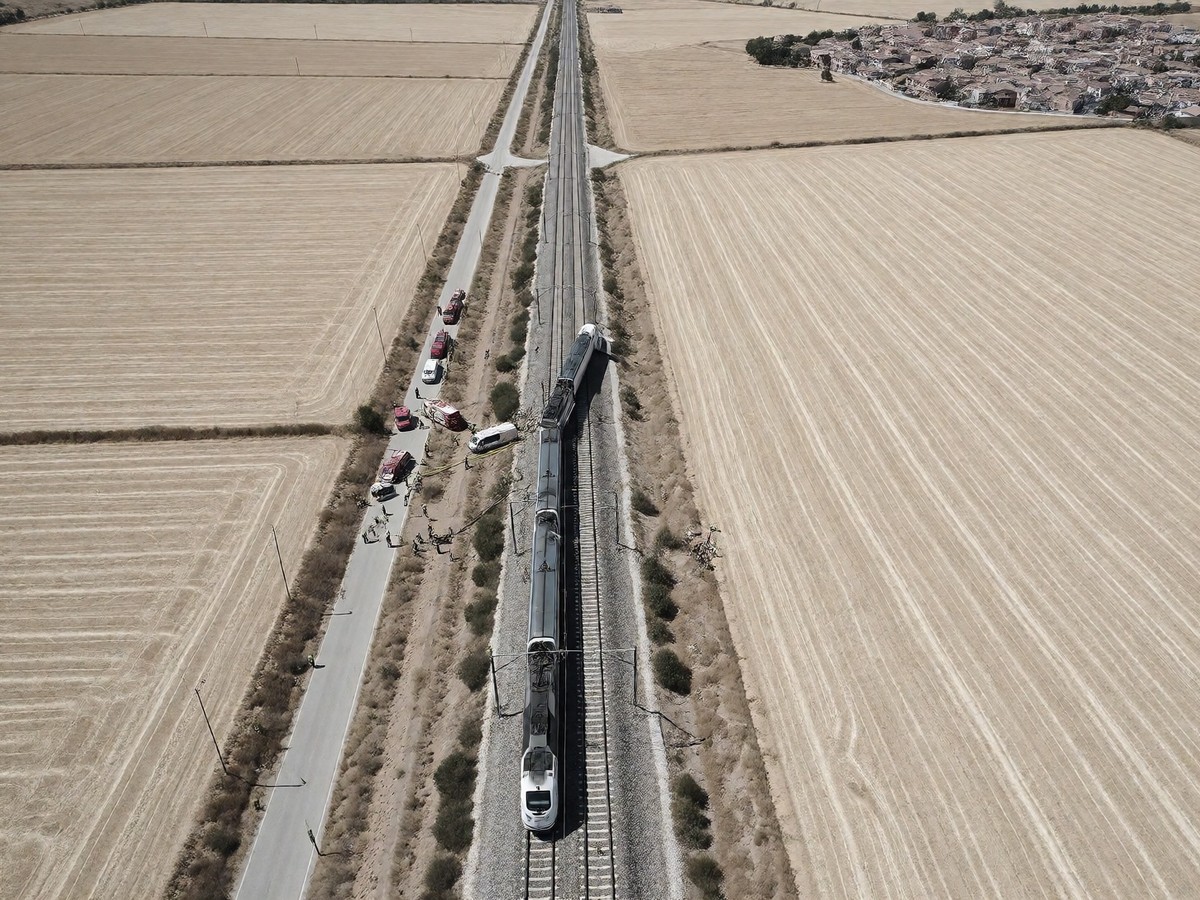
The high-speed train collision outside the central village of Urda killed 69 people last Wednesday, making it one of Europe’s deadliest rail incidents this century. Authorities said 54 Spaniards, four US citizens, and one each from Canada, Japan, Argentina, Mexico, Tunisia and the Czech Republic were among the 69 killed in the disaster. The legal body, comprising police and forensics experts, announced the 10 latest confirmed foreign victims in a statement on Sunday after previously announcing the deaths of a French and a Portuguese citizen, as well as 54 Spaniards. The incident involved a service operated by the state company Renfe. Families traveling to Spain requested in-person identification, and forensics teams sometimes identify victims from individual body parts.
| Nationality | Count | Status |
|---|---|---|
| Spaniards | 54 | Identified |
| US citizens | 4 | Identified |
| Canadian | 1 | Identified |
| Japanese | 1 | 1 missing |
| Argentinian | 1 | Identified |
| Mexican | 1 | Identified |
| Tunisian | 1 | Identified |
| Czech | 1 | Identified |
| French | 1 | Identified |
| Portuguese | 1 | Identified |
| Australian | 2 | Missing |
The forensics teams and police experts work to identify the remaining deceased after the collision involving a Renfe service and a stationary Iryo train. All but three victims have received identification. Three reports for missing persons remain active for two Australians and one Japanese citizen. This identification work continues as relatives endure an agonising wait for the official announcement of their loved ones’ status from the authorities in Spain as they process the scene.
System failure and rail safety
The Renfe service ploughed into the back of a stationary Iryo train approximately 130km (80 miles) south of Madrid. This disaster occurred because a control centre authorized the Renfe service to resume its journey while the other train remained on the tracks. An automatic safety system failure had halted all trains on a 63km stretch of track, yet the control centre authorized the Renfe service to resume its journey while the other train was still on the line. This accident is Spain’s second high-speed train collision this year after a crash in the southern region of Andalusia in January killed 46 people and raised fresh questions about rail safety. This tragedy comes one month before the 29 November general election, where Pedro Sanchez will seek to extend his eight-year premiership.