The court weighs intent and violence
The ICJ in The Hague will deliver a judgment this Thursday morning on whether Myanmar committed genocide against its Rohingya minority. This follows seven years of judges weighing accusations by Gambia. Nearly a decade after a military campaign forced hundreds of thousands of Muslim Rohingya to flee across the border, this ruling will set a benchmark for international law. The ICJ has never found a state responsible for genocide, a crime defined after the Nazi-led Holocaust. As Yanghee Lee, a former UN investigator, noted, the international community failed to prevent Myanmar military atrocities against the Rohingya nine years ago, and this ruling must allow the court to finally secure justice for the survivors and begin to reckon with those failures.
Antonia Mulvey, the founder of Legal Action Worldwide, says government actions showed patterns of conduct that proved attempts to destroy the group. Her team collected accounts of soldiers mutilating women’s genitals and biting their faces to stop reproduction. "Yes, we would say sexual violence is a critical part to show their intent to destroy the group," she said. In January, the court heard survivors from Bangladesh. One witness told the court that soldiers took her child from her arms, stabbed the child, and threw the child into a fire. Another witness described seeing piles of bodies in a mass grave. Dawda Jallow, the Gambian justice minister, told the court the case is not about esoteric issues of international law. "It is about real people, real stories and a real group of human beings," Jallow said.
Political pressure and survivor testimony
Myanmar denies carrying out a genocide and claims its actions targeted a military uprising from insurgents. The crisis reached a climax after a Rohingya militant group conducted guerrilla-style attacks in the summer of 2017, forcing the Myanmar army to respond with massive "clearance operations". In the village of Tula Toli, survivors described the systematic shooting of civilians and the drowning of children in a river, though satellite footage showed the village had been razed. Onlookers say the decision will provide a hint of how judges might assess the genocide case brought by South Africa against Israel over its campaign in Gaza.
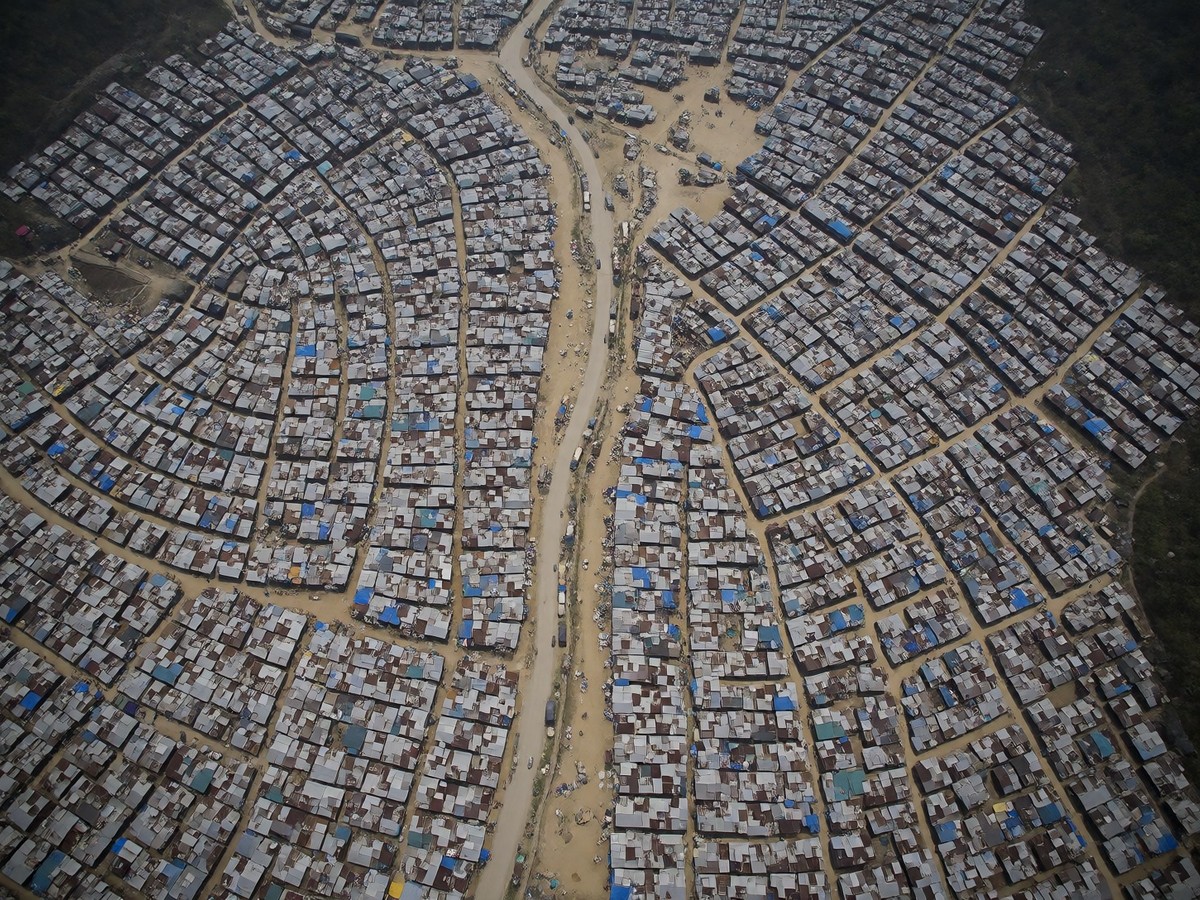
The judgment follows a decision by the Biden administration to consider the Rohingya crisis a genocide. However, Mike Waltz, Trump’s UN ambassador, warned the ICJ must not be allowed to establish a standard for genocide that could be used against "allied soldiers". I see a direct tension here because Washington has already sanctioned the ICC. While the court cannot enforce its own decisions, the UN Security Council could give its rulings strength, although divisions between the US and China make this unlikely. Currently, more than 1 million Rohingya remain in the world’s largest refugee settlement in Bangladesh, while fewer than 600,000 remain in Myanmar.
Min Aung Hlaing, who headed the military during the 2016-2017 attacks, was installed as civilian president in April after elections that many condemned as a sham. The international criminal court (ICC) is separately investigating him on allegations of crimes against humanity. The ICC prosecutes individuals and not states like the ICJ. A displaced Rohingya living inside Myanmar told the Guardian he hoped the judgment would help end decades of persecution and discrimination. "We are not asking for sympathy alone," he said. "We are asking for justice, recognition, equal rights and a future in which our children can live safely and with dignity in their own homeland."