The negotiating compromise
EU leaders in Dublin spent Friday settling who will represent them in future Ukraine peace talks instead of discussing artificial intelligence. This last-minute agenda change followed a request from Italian Prime Minister Giorgia Meloni. I find the sudden pivot to security concerns clumsy given Ireland’s original plan for an AI-focused gathering. Leaders reached a compromise to include national security officials from Germany, France, the United Kingdom, Italy, and Poland, alongside the European Commission and European Council. European Council President Antonio Costa noted that Donald Trump tasked envoys Steve Witkoff and Jared Kushner with conducting negotiations. German Chancellor Friedrich Merz, who preferred a narrower group consisting of officials in Berlin, Paris, and London, warned against a meeting between Trump and Russian President Vladimir Putin scheduled for November 18-19 in Shenzhen, China. Merz told reporters, "Please, no surprises!" regarding the meeting. Kaja Kallas, the EU chief diplomat, argued she is best placed to lead, though she noted that Russians do not want her. "I know that the Russians don’t want me, but do we have a say on who is representing Russia? No, we don’t," Kallas said. She added, "We have a really strong team. I am ready to do this work with foreign ministers."
AI sovereignty and Russian preconditions
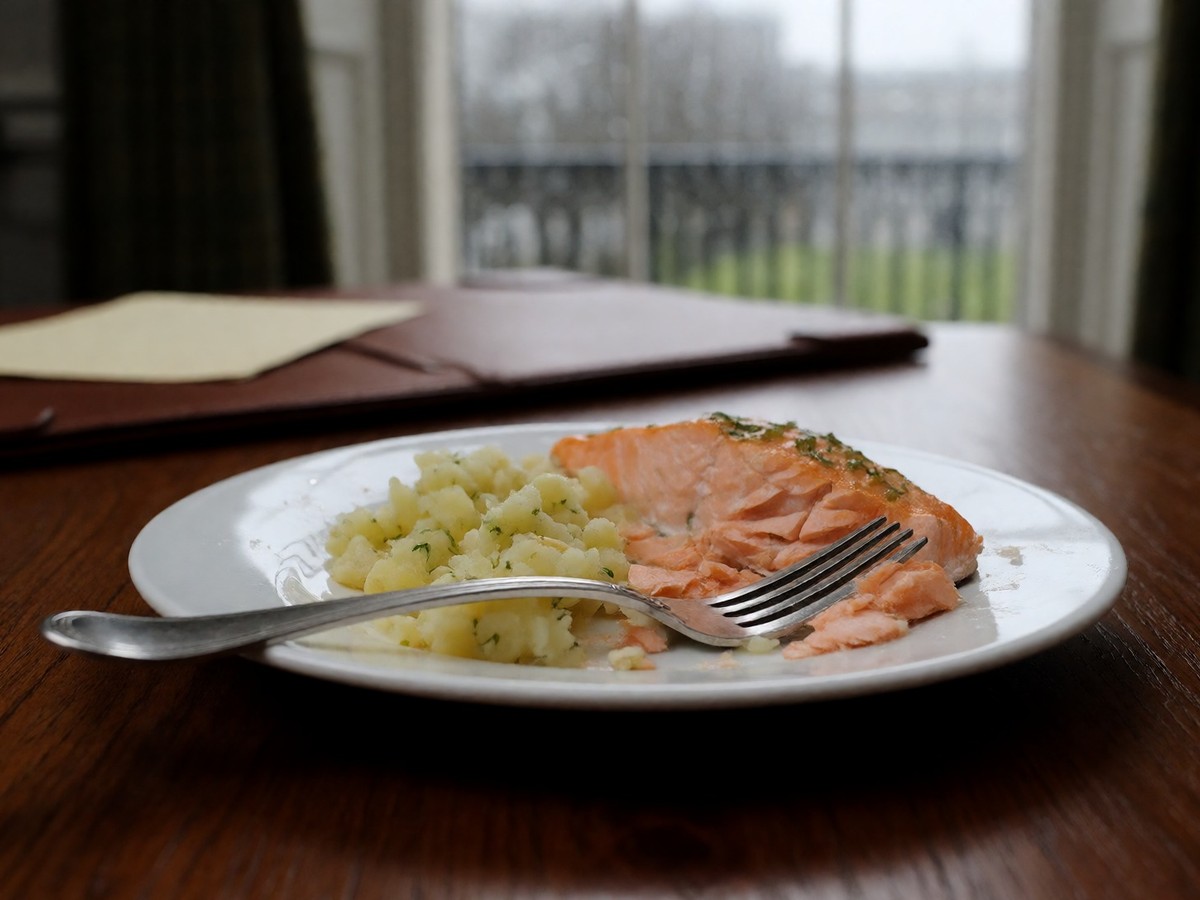
The AI discussion ceded ground to existential questions about Ukraine and Russian preconditions for negotiation. Kremlin spokesperson Dmitry Peskov said Europeans must show "genuine intention and readiness to contribute to the peace process" before Moscow admits them to talks. Kallas dismissed these demands as a "trap" that would divert attention from the lack of a ceasefire. Other officials noted that Russia’s demands include a withdrawal of NATO from states bordering Russia, the lifting of sanctions, and a ban on foreign troops in Ukraine. President Zelenskyy joined the leaders in Dublin as they discussed how the bloc will finance Kyiv in coming months. While discussing technology over a lunch of baked salmon fillets and crushed Ballymackenny potatoes, Macron announced that France and the Netherlands will host a meeting of "Tech Creators" on December 2. "Our independence cannot be outsourced, it must be built here at home," Macron wrote. Mistral CEO Arthur Mensch, speaking following a global outage of Microsoft software, suggested leaders direct €260 billion, currently spent on foreign technology, toward home-grown infrastructure, research, and development. He noted that while the bloc has solid foundations, Europe needs speed, financing, and coordination between member states to avoid dependence on US and Chinese technology providers.