Security breach at drone manufacturer
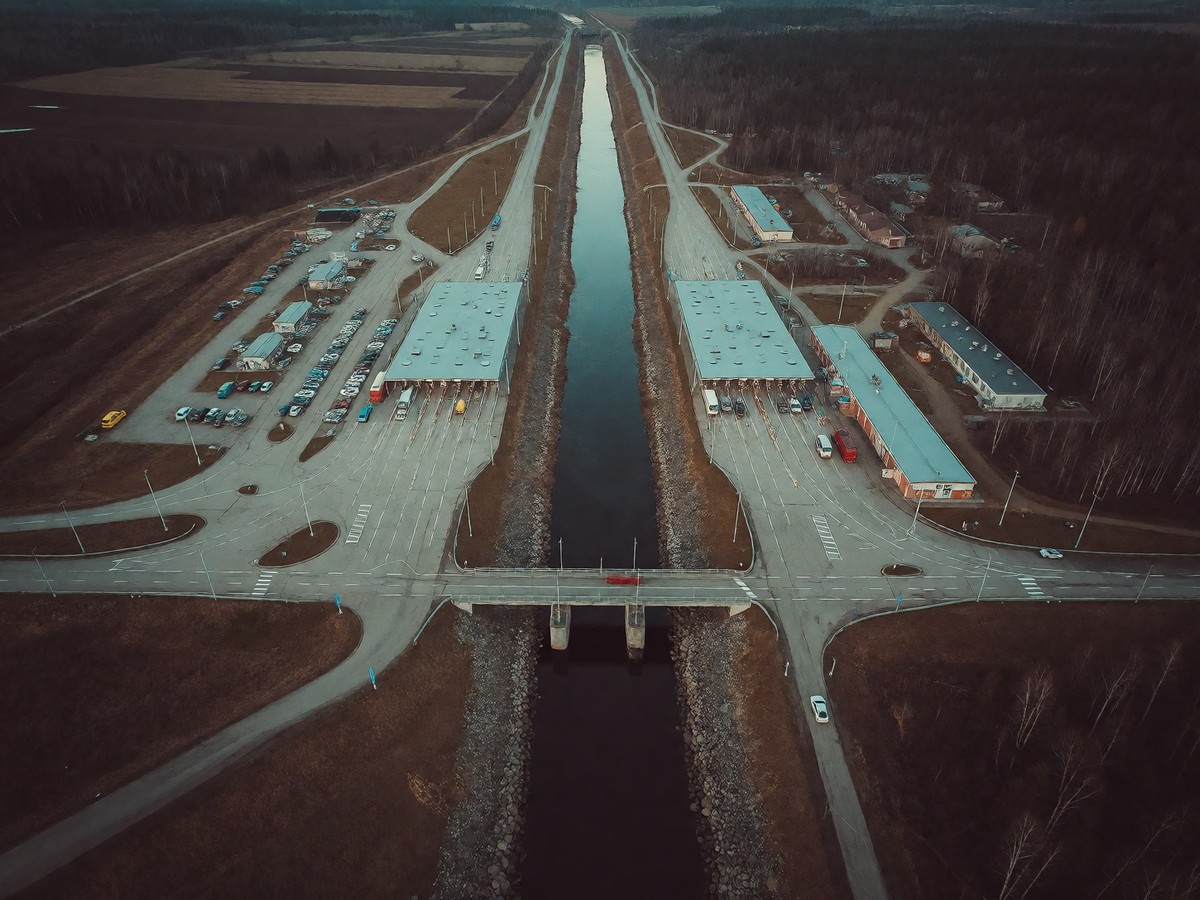
Estonia will close all its border crossings with Russia – Narva, Koidula, and Luhamaa – from 1 December following a suspected sabotage attack on Threod Systems over the weekend. On Saturday morning, security teams at the drone manufacturer detained eight people during an attempted attack on the facility. The company produces long-range attack and reconnaissance drones. Kapo, Estonia’s internal security service, said on Sunday the attack was carried out "with the aim of causing an explosion and setting the building on fire". I find the decision to shut the borders a necessary escalation because authorities said Russia’s GRU military intelligence service ordered the hit. No injuries or damage occurred because the company’s security team responded immediately to the incident. Authorities have requested a court order for five of the detained individuals to remain in custody, according to ERR.
Response to Russian interference
Prime Minister Kristen Michal said the border closure reduces risk and sends a message that attacks on Estonia’s defence industry and capabilities are unacceptable. He linked the weekend incident to Estonia’s continuing support for Ukraine, stating that Russia’s aim is to make Estonia "afraid, make us hesitate and weaken our support for Ukraine." Michal noted the arrests followed security agency warnings to the defence industry regarding potential risks. This is the second attempted attack on an Estonian defence firm attributed to Russia, following an arson attack at Milrem Robotics in August. Kapo said in September that the Milrem incident was "a deliberate and pre-planned attack carried out on behalf of Russian special services" and fits a pattern of Russian attacks targeting drone companies with links to Ukraine. At the time, Estonia summoned Russia’s charge d’affaires over the incident. Estonian Foreign Minister Margus Tsahkna echoed the warning, stating that Russia must understand that hostile actions against Estonia come with consequences and that attempts to intimidate, destabilize, or undermine security will not go unanswered. The Kremlin denied any link to the August attack, calling it "baseless" and "ill-considered" with "absolutely no relation to reality." I view these Russian attempts to recruit citizens in EU and Nato countries through online messaging platforms as a direct, growing threat to regional stability.