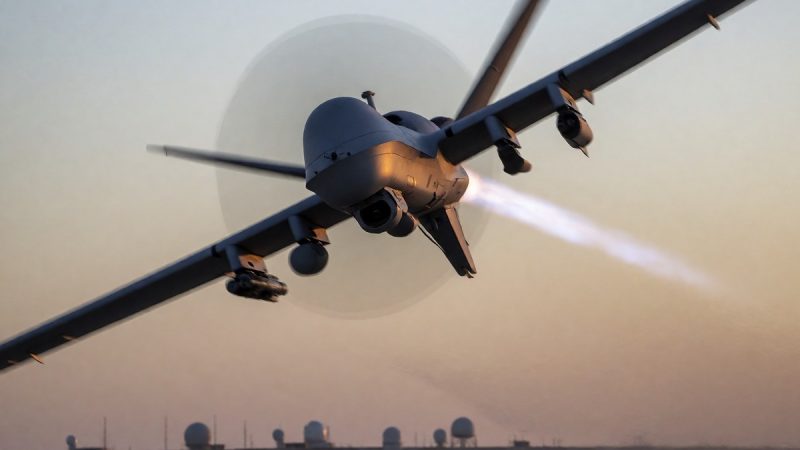
Putin says he wants "permanent peace" for Ukraine, but the Kremlin added "new demands" to its list of requirements. Yuri Ushakov, a Putin advisor regarding diplomacy, stated that Moscow is increasing its list of requirements because it views Western actions as "tricks to defeat Russia" during these ongoing political negotiations. These demands echo a December 2021 proposal where Russia asked NATO to stop expanding eastward and provide guarantees that Ukraine and Georgia would never join the alliance. The Kremlin also wants NATO to reduce or remove military activities in Central and Eastern Europe. These nations joined the alliance after the collapse of the Soviet Union. Kaja Kallas, the European Union envoy, said these Russian demands function as a "trap" designed to ensure there is no peace agreement. Komsomolskaya Pravda reported that Russia is attempting to win another struggle to force the West to reconsider its security policies after its 2021 demands were ignored. While Russia continues drone strikes on Ukrainian energy infrastructure, it refuses to offer Kyiv any concessions. The Russian economy faces increasing pressure after nearly five years of war.
Friction in Abu Dhabi and potential for Shenzhen
Peace talks in Abu Dhabi this week involve envoys from Ukraine, Russia, and the United States. Steve Witkoff said Putin accepted the idea that European envoys could attend peace talks regarding Ukraine. Dmitry Peskov, the Kremlin spokesperson, rejected the notion that Europe should be excluded from these discussions because the Kremlin must first understand the true intentions and preparations of the West to decide on broader security talks. These negotiations follow recent discussions where the leaders of Norway and Finland called each other last month to coordinate. Next week, Putin may hold talks with Donald Trump and Xi Jinping in Shenzhen, China, during the APEC summit. Russian media has compared this potential meeting to the 1945 gathering of the "Big Three" including Joseph Stalin of the Soviet Union, Franklin Roosevelt of the United States, and Winston Churchill of the United Kingdom. This comparison draws attention to the gravity of the situation, although Russia has lost many resources and faces economic instability after five years of conflict. The Russian military continues its strikes against energy plants, and the Kremlin provides no concessions to Kyiv.