Finnish rejection of Abu Dhabi demands
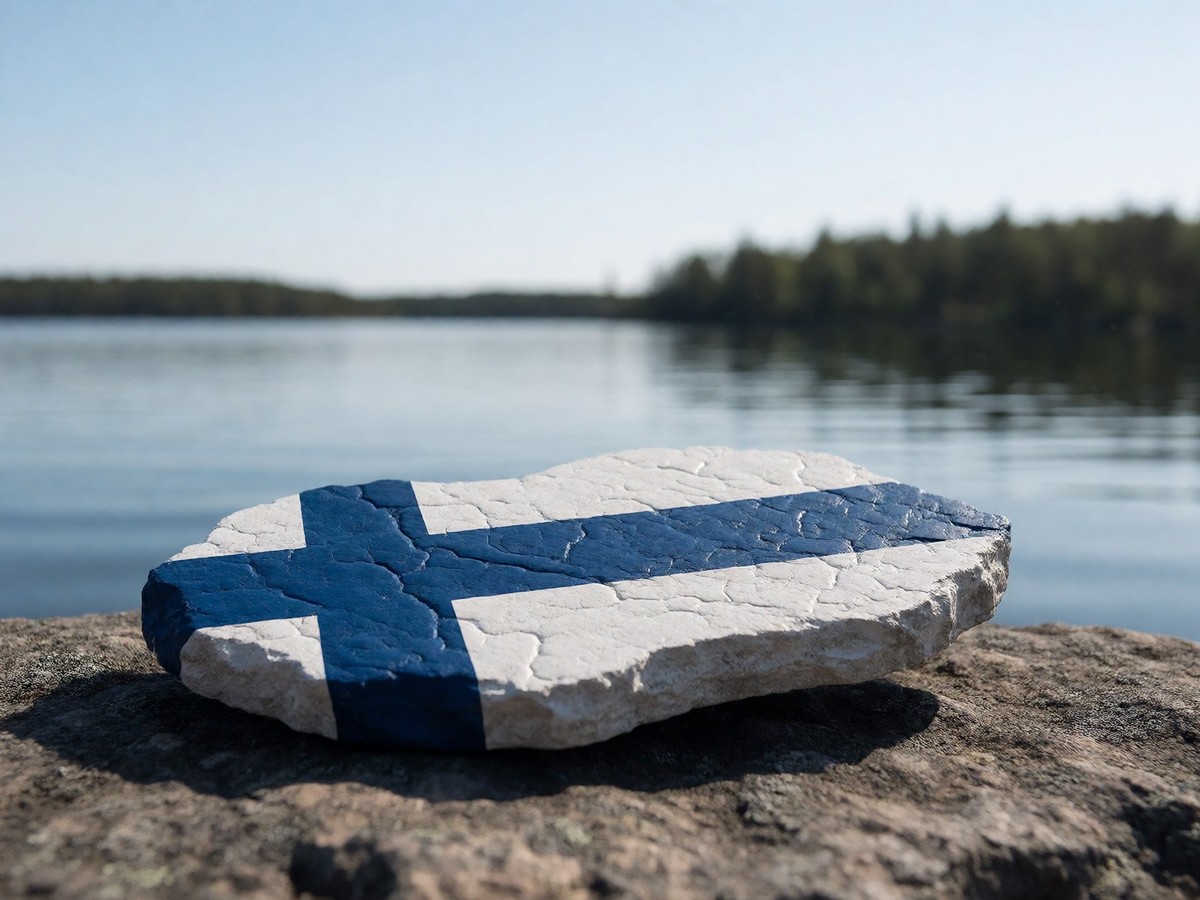
Defense Minister Antti Hakkanen rejected a reported Russian demand for Finland to leave NATO during peace talks for Ukraine. He stated that membership in the alliance is not up for negotiation. He told reporters on Friday that such matters are in no way a matter for negotiation. Hakkanen said that Russia knows this and called the suggestion absolutely outrageous. Finland shares a 1,340-kilometer border with Russia and joined NATO in 2023 following the full-scale invasion of Ukraine.
The German newspaper Bild reported that a Russian proposal made during talks in Abu Dhabi this week included Moscow keeping occupied Ukrainian territories, gaining control of new swathes of land, demilitarizing ports in Ukraine, removing NATO bases from the Baltics, and Finland leaving NATO. Russia proposed withdrawing its nuclear weapons from Belarus and refraining from stationing intermediate-range missiles there in exchange. It remains unclear which proposals Russian President Vladimir Putin would support after discussions between intermediaries.
| Russian Demands and Counter-offers |
|---|
| Keep occupied Ukrainian territories |
| Gain control of new swathes of land |
| Demilitarize ports in Ukraine |
| Remove NATO bases from the Baltics |
| Finland leaves NATO |
| Counter-offer: Withdraw nuclear weapons from Belarus |
| Counter-offer: Refrain from stationing intermediate-range missiles in Belarus |
European leaders debate security framework
EU foreign policy chief Kaja Kallas warned against walking into traps that Russia is setting. She said at an EU leaders’ summit in Dublin that Moscow is trying to start a debate about European security to divert attention from its aggression. Kallas said that the aggressor does not have security concerns and told reporters to keep the focus. German chancellor Friedrich Merz said that Russia wants to talk about questions of a European security architecture, but his country does not need to discuss that because it already exists. Ursula von der Leyen said Europe must be included in peace talks to safeguard interests and support Ukraine.
The Kremlin said on Friday that a decision on holding talks in an expanded format depends on understanding Europe’s real intentions and willingness to contribute to the peace process. Russia’s lead negotiator in Abu Dhabi, Vladimir Medinsky, said it is unclear what there is to discuss with Europe. Jared Kushner, the envoy for Donald Trump, said on Thursday night that Russia and Ukraine agreed to expand the next round of peace negotiations to include Europeans. Russia contradicted that assurance quickly. Kushner also mocked the absence of a single person to speak for the entire continent. He said if Europe could identify one person to speak on their behalf, that would be a bigger achievement than getting the Russians to include them in the negotiations.
The European Council president, Antonio Costa, said leaders in Dublin agreed on a negotiating team. This team includes EU institutions and the E5 countries, which are Britain, France, Germany, Italy, and Poland. Costa said Europe must speak with one clear and united voice in discussions that shape the future of Ukraine and the security of the continent.
Zelenskyy warns of border revisions
Ukrainian President Volodymyr Zelenskyy said a new security framework for Europe raised by Americans can be dangerous. His comments followed a meeting in Dublin on Thursday with U.S. envoys Steve Witkoff and Jared Kushner. Zelenskyy said Putin’s desire to change borders in Europe is a fact. He said this is part of a concept of revising security guarantees in Europe which leads to wars or escalations.
The discussion over who represents Europe has seen differing views from various leaders. Swedish prime minister Ulf Kristersson said the discussion is slightly overstated because nations have differing interests. He supported the E5 format and the E3 format, which consists of Britain, France, and Germany. Ireland’s taoiseach Micheal Martin said the UK and Norway each have a significant role in this continent-wide issue. The British prime minister, Andy Burnham, said it is for the EU to decide who represents the bloc.