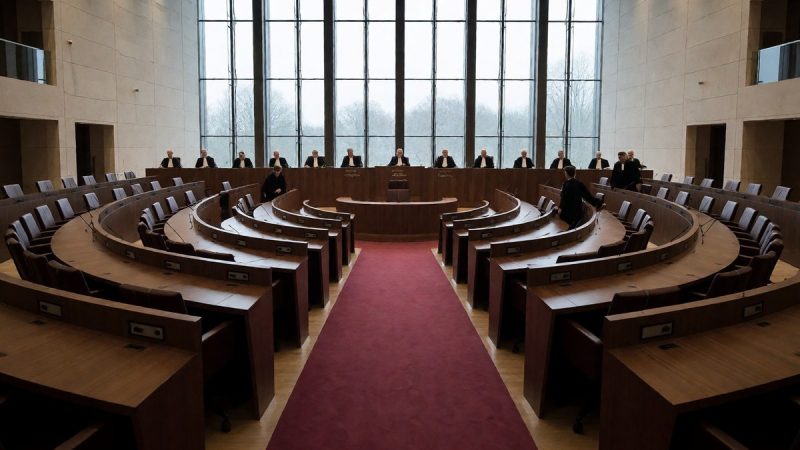
The Bundestag approved a major overhaul of intelligence legislation with 309 votes in favour, 190 against, and 71 abstentions. This reform grants the BND foreign intelligence service and the BfV domestic service new authorities to combat espionage, terrorism, and sabotage. Interior Minister Alexander Dobrindt called the measure a "reform of the century" because Germany faces increasing threats from foreign powers. He stated, "We are the target of hybrid threats."
New operational capabilities for BND and BfV
The BND can now conduct covert operations abroad, including sabotage such as disrupting disinformation networks, paralysing state-sponsored hacker servers, or disrupting weapons supply chains. The BfV will also move beyond gathering information to taking protective action against IT systems and property when specific threats exist. BfV agents may dismantle explosives, block data flows during cyber-attacks, delete malicious data, or plant false information. Under certain conditions, they can enter homes covertly if they obtain advance authorisation. They also gain wider digital surveillance powers, including monitoring encrypted telecommunications, performing online searches, and using AI-supported data analysis or biometric image matching.
Opposition criticism of executive powers
Clara Bunger of the Left Party described the law as "a monster" and argued that Dobrindt is creating a new German secret police. She told ARD that the separation between the police and the secret service is "being eroded," noting this was a lesson from the Nazi era. Bunger said the secret service will be granted police powers and will act pre-emptively. Sonja Eichwede of the SPD said the reforms help ensure German democracy remains "robust and resilient." These changes follow an August incident where a drone with an explosive device, which failed to explode due to a faulty detonator, appeared at Leipzig Airport. German authorities say Russia was behind that attack.