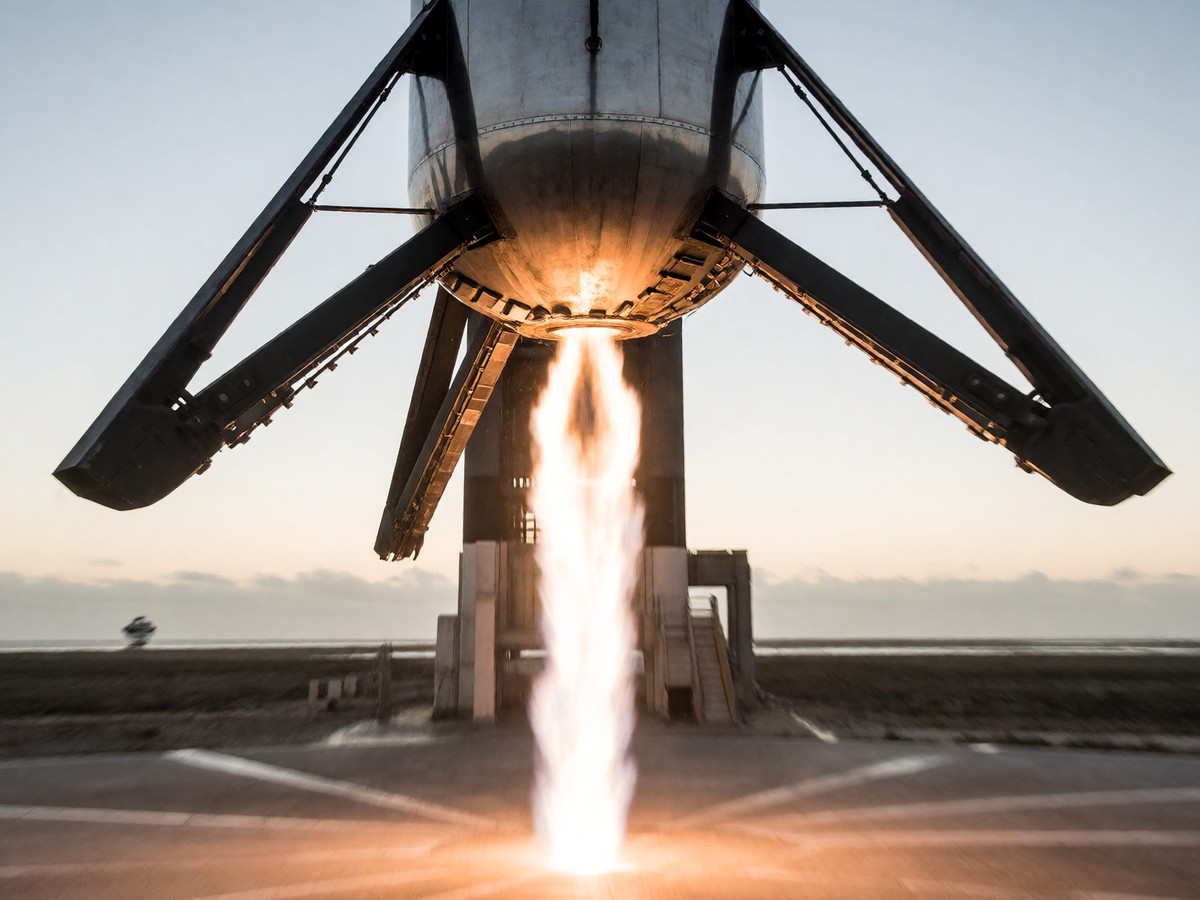
SpaceX will attempt to catch both parts of its 124m-tall Starship rocket using mechanical arms nicknamed chopsticks on its next test flight this Friday. The 1645 local time launch from the Starbase launchpad in Texas includes a 75-minute-long window. After six and a half minutes, the launch tower will attempt to grab the Super Heavy booster as it returns to Earth.
Flight sequence and recovery goals
The top part of the rocket, called the Ship, will continue to space to deploy 26 satellites for the Starlink constellation. This stage must complete 14 orbits around the Earth before attempting a second catch about 22 and a half hours after takeoff. SpaceX said it would only decide to try to catch the Ship after carefully assessing the vehicle while it is in space. If problems occur, the rocket stage can be brought down in the ocean at various points during the flight.
| Component | Recovery Method | Previous Status |
|---|---|---|
| Super Heavy booster | Chopsticks | Caught three times |
| Starship (Ship) | Chopsticks | Splashed down in ocean |
NASA requirements and competition
Nasa monitors this progress because SpaceX must configure the Ship into a lander for the Artemis programme to put astronauts on the Moon. This development follows a slow pace that has lagged behind SpaceX’s own intentions. Prof Malcolm Macdonald, President of Royal Aeronautical Society, said "one successful flight will not prove that model, but it could mark an important transition: from demonstrating that Starship can fly, to demonstrating how Starship could operate." Meanwhile, Blue Origin faces delays after its rocket exploded earlier this year, pushing its return to flight to early 2027.