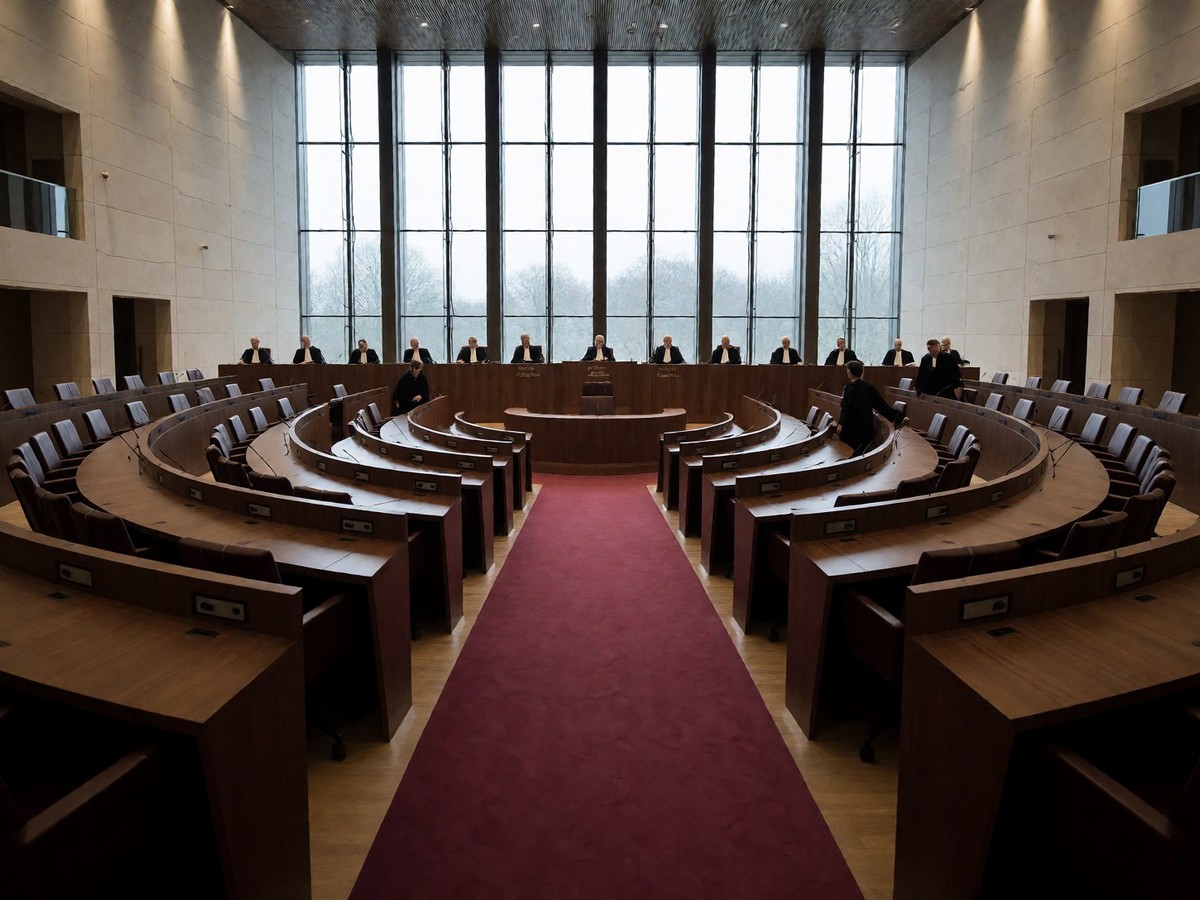
The Court of Justice of the EU rejected Poland’s bid to overturn seven major climate laws Thursday, upholding measures including the 2035 target for zero-emission cars and carbon pricing for heating and transport. These rulings close a legal campaign launched by the previous Law and Justice (PiS) government, which argued that the legislation would fundamentally reshape its coal-dependent energy system and therefore required unanimous approval by all member states. Prime Minister Donald Tusk’s pro-EU administration kept the campaign alive by deciding not to withdraw the lawsuits after taking office with a promise to repair Warsaw’s relations with Brussels. The judges dismissed this argument, ruling that the measures could be adopted by a qualified majority of member countries. They also rejected challenges to the bloc’s carbon border tax, energy efficiency rules, and national emissions reduction targets.
Procedural History and Current Status
Six of these lawsuits were filed in July and August 2023 while PiS was in power, but the seventh was lodged on Dec. 14, a day after Tusk took office. His government reviewed the cases but chose to maintain them rather than drop them immediately. The court’s decisions are final, meaning Poland can no longer contest the validity of these specific legislative acts through this channel. However, Tusk’s Poland remains among the countries pushing to weaken parts of the EU’s climate legislation. Specifically, Warsaw is seeking to delay the new carbon market for heating and transport, known as ETS2. This ongoing effort demonstrates that while the legal challenge has failed, the political resistance to the Green Deal persists within the current administration. The distinction between losing the lawsuit and abandoning the policy goal is clear here.
Implications for Energy Policy
The rejection confirms that the EU can proceed with its climate agenda without requiring a veto from any single member state. Poland’s reliance on coal makes the "zero-emission" mandate particularly contentious, yet the court sided with the majority vote mechanism. The inclusion of carbon pricing for heating and transport directly impacts residential costs, a point central to Poland’s original objection. By dismissing the claim that these laws require unanimity, the court reinforced the authority of qualified majority voting in environmental regulation. This outcome leaves Poland with limited options to block the 2035 car ban or the carbon border tax. The finality of the decision removes uncertainty for businesses operating across the bloc. Poland must now adapt its energy strategy to fit within the established legal framework rather than fighting it in court.