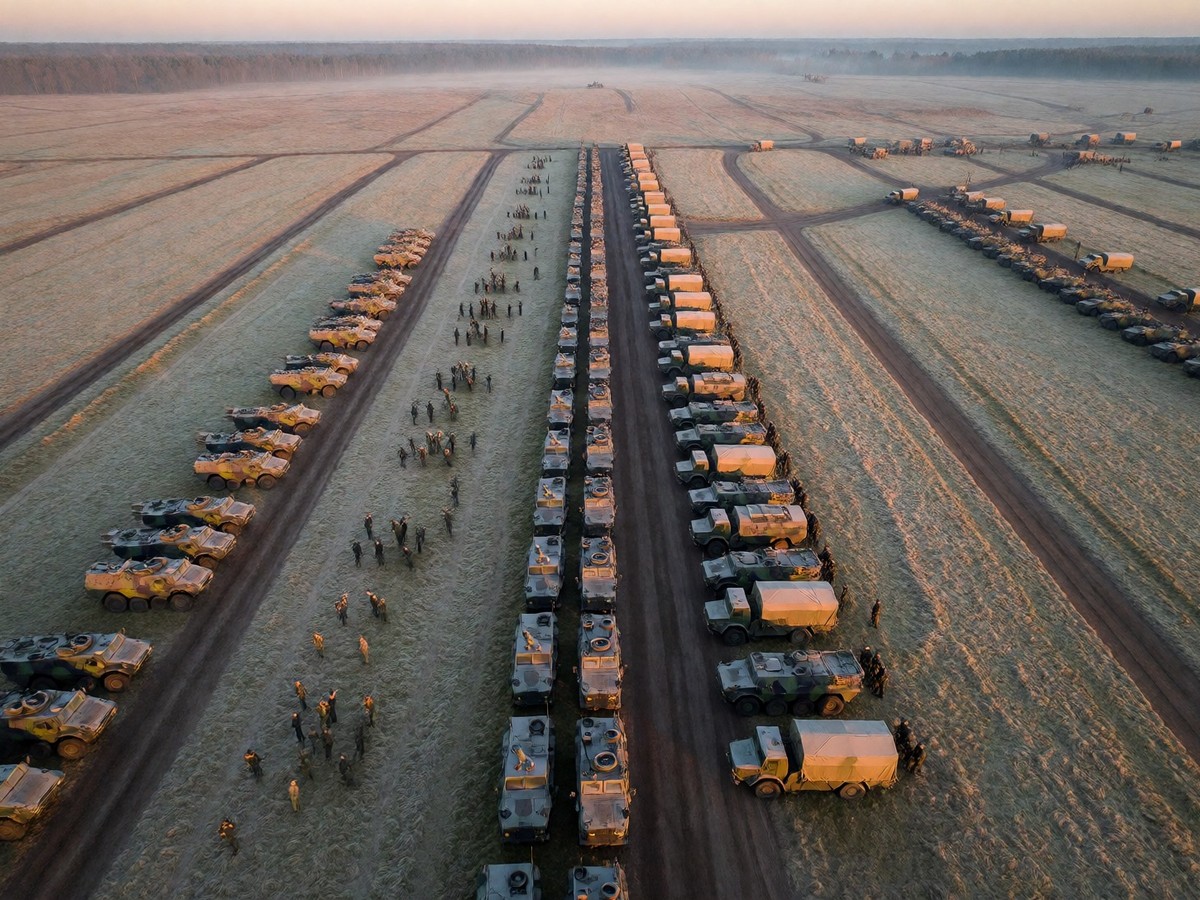
The 2026 Trends report by security think tank GLOBSEC reveals that 71% of Europeans want the bloc to field its own military force. This strong support persists across the member states surveyed, with Romania leading at 82%, followed by Lithuania at 78% and France at 75%. Even in nations traditionally wary of defense integration, majorities backed the idea; Poland and Bulgaria both recorded roughly 70% support, while Germany reached 69%. The findings emerge as governments debate how to strengthen capabilities amid Russia’s continued aggression and growing uncertainty over Washington’s commitment to European security. GLOBSEC polled respondents in 14 countries, including 11 EU members, Ukraine, the UK, and the US. I see this data as a clear signal that voters prioritize autonomous defense options regardless of their historical political leanings or regional concerns about sovereignty.
NATO loyalty and draft enthusiasm
Enthusiasm for these new capabilities does not appear to be a rebuke of the existing alliance structure. In the NATO countries surveyed, 77% of respondents said they would vote to remain members, while 78% in EU countries supported developing the bloc’s own defense capabilities alongside the alliance. There is also strong support for the most direct form of contribution to national defense: a draft. Among respondents in countries without compulsory service, 64% favored its reintroduction, with the highest numbers found in Czechia, France, Germany, and Slovakia. This combination suggests a pragmatic approach where citizens accept shared burdens to secure independent protection.
Transatlantic divide and Russian war views
Attitudes toward Washington reveal a widening transatlantic gap that complicates future cooperation. More than one-third of respondents across the European countries surveyed now consider the United States a security threat. Around half in Germany, France, and Britain held that view, compared with roughly one-third in Central and Eastern Europe. Germany was the only country where a majority regarded Washington as a threat. The country also stands apart on the invasion of Ukraine, as 40% of German respondents agreed that Ukraine’s treatment of Russian speakers justified it, while 39% believed the West provoked the war. These views coincided with softer support for Kyiv, with nearly six in 10 accepting territorial concessions for peace. I find this paradox striking: voters demand a stronger European military yet remain committed to NATO even as confidence in its most powerful member erodes significantly.