Security ties and the Korean border
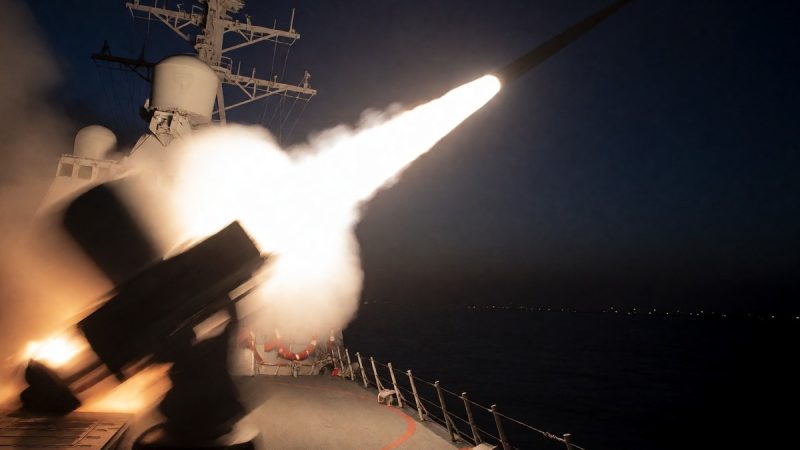
Friedrich Merz ended his five-day trip to Asia on Friday after visiting the Korean demilitarized zone. I find the focus on European security tensions more striking than his trade proposals. The Chancellor’s visit to the blue barracks where the 1953 armistice was signed occurred just after North Korea fired approximately 10 short-range ballistic missiles toward the Sea of Japan to demonstrate its growing military capabilities. Merz told reporters after visiting the Joint Security Area, where North and South Korean troops stand face-to-face, that "thoughts are running through my mind about how grateful we may be that in Germany we haven’t had to experience this for 36 years." These North Korean provocations link to the cooperation between Pyongyang and Moscow, as North Korea has sent soldiers to the Russian front in Ukraine for two years. North Korean state television showed leader Kim Jong Un with new military drones, including a potential stealth drone, on Thursday.
China is becoming dominant in trade, making territorial claims in the South China Sea, and eyeing Taiwan. Russia also maintains close military ties with Beijing and carries out joint bomber flights with the Chinese air force near the Japanese border. Merz told reporters following his visit to the border that "there is no longer such a thing in the world, only collective security." He wants to work closely with Japan, South Korea, and Singapore on security policy and the defense industry. The Chancellor traveled with a large business delegation, including aircraft manufacturer Airbus, air defense manufacturer Diehl Defense, and drone specialist Quantum-Systems, to explore defense cooperation with Asian partners who fear falling behind North Korea and China. While Japan’s Prime Minister Sanae Takaichi spoke of a "premium partnership" with Germany, other requests fell flat. A request for Japan to supply Patriot anti-aircraft missiles to Ukraine fell flat. An anonymous Japanese diplomat also asked the German delegation how Germany will help if China attacks Taiwan. Merz also used his time in Tokyo and Seoul to warn against violations of international law by Russia, China, and the United States.
Protectionism and trade alliances
The trip’s ambitious trade goals face friction from a proposed "Made in Europe" rule for the car industry. This proposal, agreed to by Merz and French President Emmanuel Macron, would restrict subsidies for cars to vehicles produced inside the EU, Switzerland, and the U.K. I consider this protectionist move the main obstacle to Merz’s "global political alliance for rules-based trade." South Korean President Lee Jae Myung told reporters he asked Merz for support so that Korea would be treated like the EU member states. Japan also voiced complaints. Merz told reporters before his Friday evening departure that the Franco-German proposal "sparked considerable concern in the region" regarding a new wave of protectionism. He promised to take these complaints to the next EU leaders’ summit.
Merz’s trade plan builds on a proposal by Canadian Prime Minister Mark Carney for "middle powers" to team up to defend themselves against unreliable major powers. The proposed alliance includes the EU, Asian nations, Canada, Australia, New Zealand, and the Mercosur trade bloc. The group would coordinate to counter Chinese threats to rare earth metals and the tariff threats made by U.S. President Donald Trump. This alliance would also strengthen the World Trade Organization and seek to unblock the nomination of judges to the organization’s appellate body. German President Frank-Walter Steinmeier also warned of eroding international rules during a trip to Beijing, stating, "Lawlessness looms. I see this as a great danger for all of us."