Border security and hybrid threats
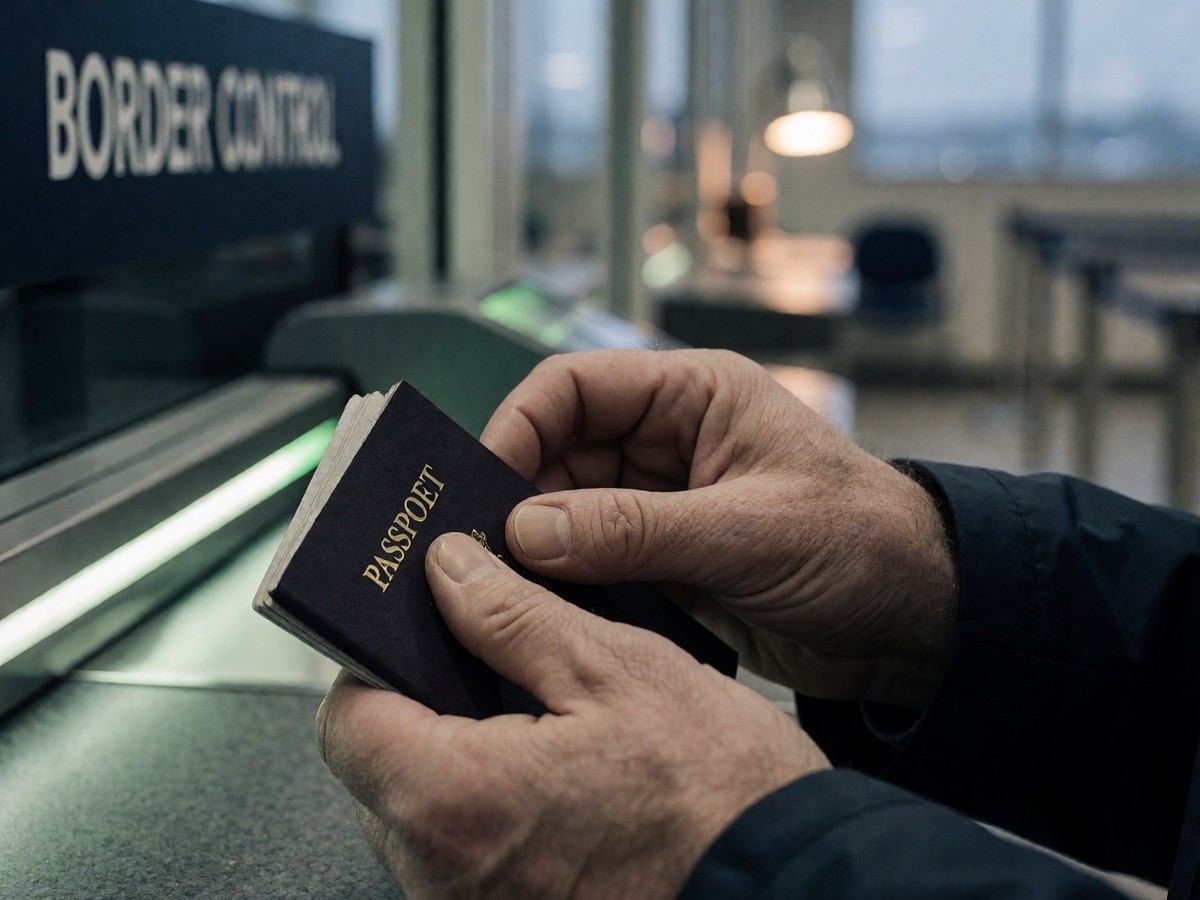
I view the security situation as escalating, matching Latvian Prime Minister Andris Kulbergs’ warning that the EU cannot vet the hundreds of thousands of Russian tourists it still lets in. "Letting so many people into the EU is currently too dangerous," Kulbergs told WELT, and he adds that "nobody can screen that many people." This risk became real last weekend when Latvian and Estonian special forces arrested eight people on Estonian soil who held "concrete instructions to attack a production facility in Estonia that supports Ukraine." Kulbergs claims Russia is behind these intensifying hybrid attacks on NATO’s eastern flank, which he says are escalating rapidly. He describes the coming months as "a winter of truth" because Russia is striking Ukraine’s water, heating, and power supplies to make progress where the front line remains stagnant and progress is slow. He also believes Putin wants Germans to be frightened and to demand that their government stop supporting Ukraine.
Geopolitical shifts and visa restrictions
Kulbergs rejects the idea of returning to normal ties with Moscow after any ceasefire in Ukraine, stating that "it is a new era." Latvia was among the 11 countries that signed a Swedish-led letter in June urging Brussels to restrict visas for Russians, while Migration Commissioner Magnus Brunner suggested in October that the European Commission could present a proposal next year. I find his dismissal of the recent Shenzhen summit between Donald Trump, Xi Jinping, and Vladimir Putin as an "exaggeration" of a "new Yalta" to be a blunt assessment of Putin’s humiliation. The 1945 Yalta summit left much of Central and Eastern Europe under Soviet domination, but Kulbergs argues that the current fears of such a result are entirely unfounded and baseless. He also notes that supporting Ukraine vigorously remains compatible with winning a political election. I agree with his stance that being pro-European and standing up to the aggressor does not prevent achieving political success. He argues that the Russian leader was humiliated in Shenzhen and that the fear of a new postwar division of Europe is an unnecessary overstatement.