The Agreement and the Fee Dispute
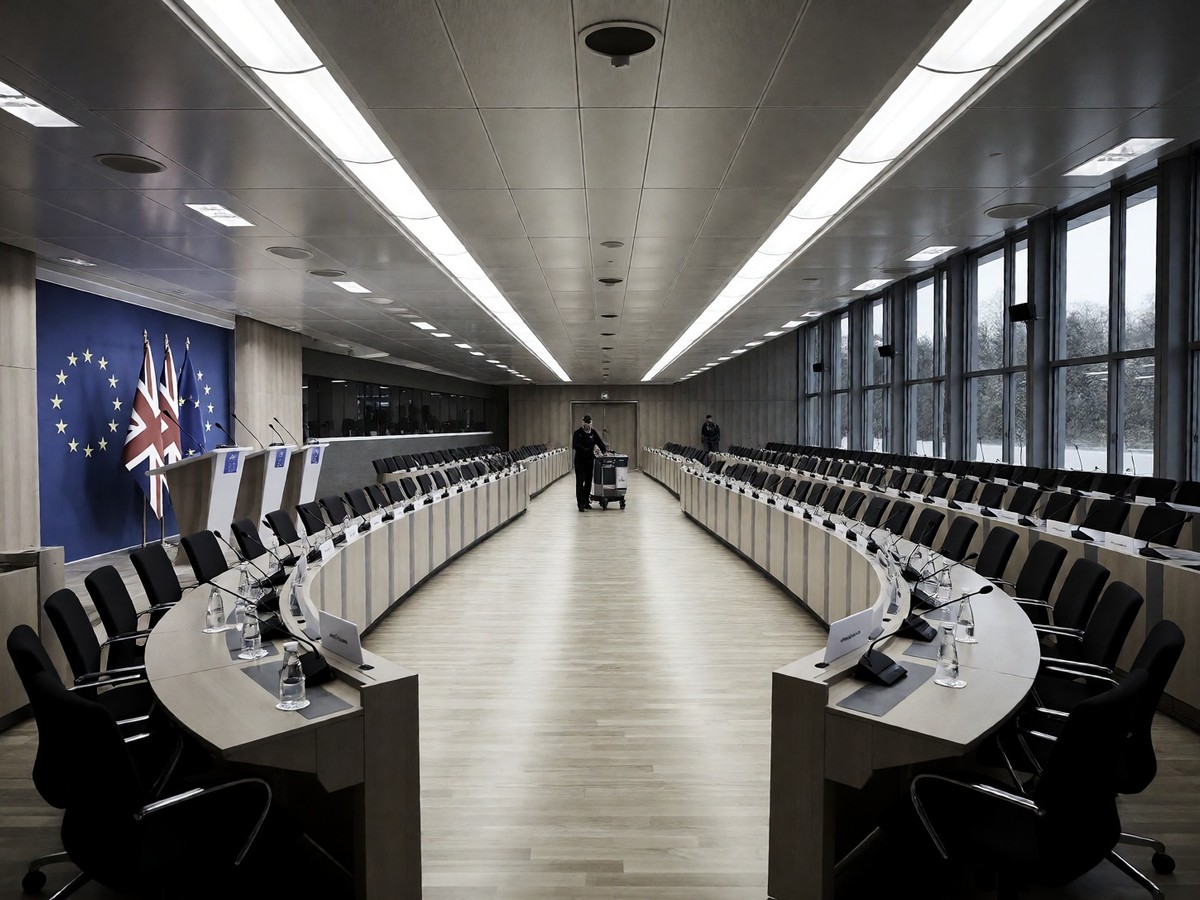
Andy Burnham announced three agreements with the European Union on food and drink, emissions trading, and a youth mobility scheme. These deals aim to add 0.5% to British GDP, which equates to a £17 billion boost to the economy. However, the European Commission and the European Council issued a statement saying they will not adopt these agreements until the UK ensures equal treatment for EU students regarding tuition fees, which could stall the entire process for six months. EU officials claim the agreements are contingent on this fee resolution, while Burnham insisted the deal is done and it is there in black and white in front of them. UK negotiators currently seek a middle ground between the £38,000 international rate and the £9,790 domestic rate, with some discussing a £12,000 figure. This disagreement could derail the entire package within six months. The reset successfully eases specific trade barriers but remains contingent on a volatile tuition fee dispute.
Nigel Farage called Burnham naive, claiming the EU used the moment to strongarm the British prime minister over tuition fee cuts for hundreds of thousands of EU students.
The youth mobility scheme allows 100,000 young people to live, work, study, and travel in the EU or UK for up to three years. Burnham described the summit as a "good day for Britain and this is a good day for Europe," while noting that future discussions would only serve to inform the next parliament. He also planned to "brainstorm" with the EU regarding future ties to address the cost of living and economic growth.
Economic and Industry Impacts
The agreements provide specific benefits to different sectors. The agrifood deal expects Britain to align with EU rules by 2028, which could add £5.1 billion to the economy. The emissions trading deal will also link the UK and EU systems in 2028, shielding British renewable energy producers from the EU carbon border tax.
| Agreement | Implementation Target | Specific Provision |
|---|---|---|
| Food and Drink | 2028 | Alignment with EU rules and removal of checks |
| Emissions Trading | 2028 | Linking of UK and EU trading schemes |
| Youth Mobility | 2030 | 100,000 young people can live/work/study for 3 years |
| Digital Partnership | Early 2027 | Cooperation on AI, quantum, and connectivity |
M&S managing director Alex Freudmann said the food deal will remove bureaucracy that requires a vet signature and the Latin name of a cow for simple imports. RenewableUK chief executive Tara Singh stated that linking emissions schemes would allow for more efficient electricity trading across interconnectors. The UK also plans to launch a Digital Partnership early next year that covers areas like AI and quantum technology. The tech industry expects benefits from the upcoming Digital Partnership. However, the steel industry must wait until 2028 to see the benefits of the emissions trading deal, as producers remain exposed to the EU carbon border tax for at least another year. Business Secretary Jonathan Reynolds noted that while Britain could join the EU’s SAFE fund for defense procurement, such a move was not part of the current negotiations.
Regional and Political Fallout
Nigel Farage criticized the deal, arguing that Britain will follow European rules on agricultural technology and pesticides instead of forging its own path. The UK also navigates discussions about the EU’s Made in Europe industrial scheme. While the UK pushed for assurances to protect its supply chains, the EU strategy aims to protect its own producers from cheap imports.
In the Channel Islands, Jersey and Guernsey governments welcomed the package, noting that most food checks will end in March 2028. The deal also restores pet passports and allows islanders aged 18 to 31 to live and work in the EU for two years. The Channel Islands deal includes a specific exemption to protect the dairy industries in Guernsey and Jersey, which ensures the ban on importing cows remains. Deputy Lindsay de Sausmarez stated the islands had spent significant resources managing Brexit red tape and expects benefits to arrive in 2028. This regulatory shift could impact local businesses that must adapt to new European standards for food safety and labeling.