The Senate majority shifts
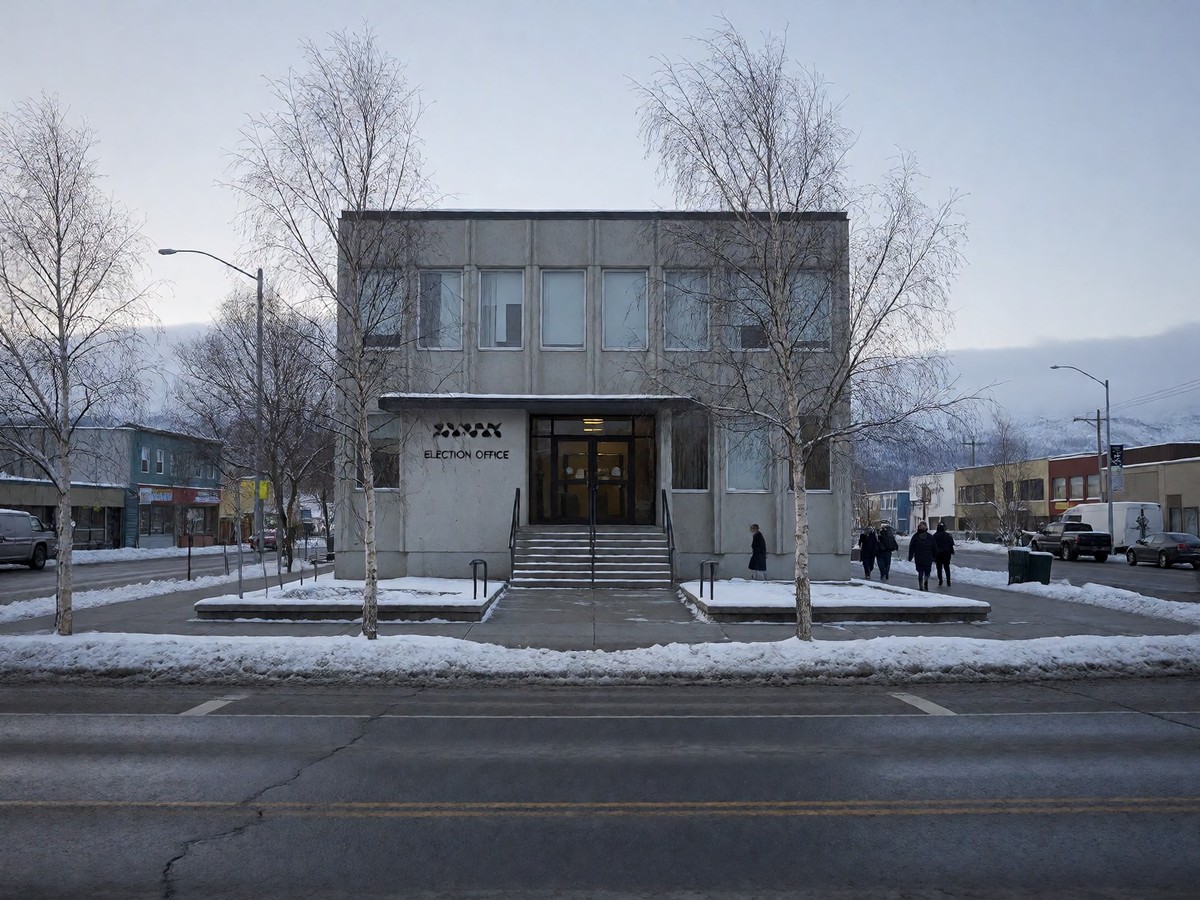
Mary Peltola secured 50.1% of the vote, while Republican incumbent Dan Sullivan received 45.8% as 99% of ballots were counted. This result gives Democrats 56 seats in the Senate after they gained nine seats in the midterms. Peltola becomes the first Democrat elected to the Alaska Senate since 2008. I find it striking that Alaskans unseated her in 2024 while supporting Donald Trump by a double-digit margin. The other candidates on the ballot, a second Dan Sullivan and Gerald Heikes, received 1.7% and 2.1%. Under Alaska’s voting system, the top four candidates from the nonpartisan primary advance to the November general election. Because voters rank candidates in order of preference, the election process eliminates the last-place finisher if no candidate receives more than 50% in the initial round. This win follows Democratic victories in conservative states including South Carolina, Texas, Kansas, and Mississippi. The party will control the upper chamber beginning next year and expects to embark on an aggressive campaign of lawmaking and investigation. Peltola, a former US House lawmaker, first rose to prominence in 2022 when she won a special election to replace Don Young. She later lost her House re-election to Republican Nick Begich in 2024.
Economic pressure and the ballot ruse
Alaskans grew frustrated with price increases from Trump’s tariffs and his decision to attack Iran earlier this year. Gas prices in some interior Alaska communities jumped into the double digits per gallon. The rise in diesel prices affected groceries and alcohol because many communities rely on sea shipments. Peltola used the slogan "fish, family, freedom" to address these concerns. She advocated for expanding oil production and addressing bycatch to protect salmon runs. The decline of the chinook salmon along the Kuskokwim river, caused by the climate crisis and over-trawling in the Bering Sea, is an existential challenge for Alaska Native tribes. Peltola, who grew up in small communities along the Kuskokwim River, traveled to more than 50 communities by floatplane, four-wheeler, and snowmachine to reach villages that are disconnected from the road system. Her Yup’ik name is Akalleq, or "the one who rolled." Her father, a German American, came to Alaska from Nebraska to work as a pilot. As a young girl, Peltola began fishing the Kuskokwim river with her father from the age of six. Peltola faced significant controversy after the New York Times reported that her staffers were involved in a scheme to recruit another Republican challenger, also named Dan Sullivan, to appear on the ballot. Trump called for Peltola to be prosecuted over the ruse. Alaska’s top federal prosecutor announced that criminal and civil inquiries are under way, while the state governor announced plans to open a criminal investigation into the alleged scheme.
Cultural identity and the Native vote
On November 3, Peltola greeted supporters in an Anchorage Sheraton Hotel ballroom and shouted "Aarigaa!" after a volunteer shouted the Inupiaq word for "Way to go!". This victory makes her the first Alaska Native to hold a US Senate seat. She will join Minnesota senator-elect Peggy Flanagan, a member of the White Earth band of Ojibwe, as the first two Native American women to serve in the Senate. I find the Republican campaign tactics against her to be clearly aggressive. The Senate Leadership Fund Pac released an ad titled "Who is Mary Peltola?" in which a man says, "They dress her up, throw her out on a stream somewhere, make her look like an Alaskan." Another ad included a woman saying, "Every time Mary Peltola gets in a room with her people, she’s not with our people." These ads failed to stop the surge in Alaska Native turnout. Because Alaska is home to about 40% of all federally recognized tribes in the union, the one in five Indigenous voters are the largest proportion of the electorate in any state. In Bethel, 85-year-old Susan Murphy saw lines of voters at polling places, which reminded her of the high turnout during the 1958 statehood vote. Only 29 Native Americans have occupied these 20,000 seats in the US House and Senate over 237 years. Ana Hoffman, a lifelong friend of the senator-elect, said the win demonstrates inclusion, representation, and identity.