The economic argument for re-entry
Rachel Reeves argues the United Kingdom’s future lies within the European Union, claiming Brexit made the country poorer, weaker, less secure, and more vulnerable. Writing in the Sunday Times, the former Chancellor, who Prime Minister Andy Burnham dismissed from the Treasury upon entering Downing Street, stated that no one in the Treasury ever doubted her pro-European instincts. She believes supporters of re-entry must "make the argument, demonstrate tangible benefits and to get the next steps right." I find her claim that Brexit weakened the country to be a predictable assessment of the economic friction she managed while in office. As Chancellor, Reeves was one of the first senior ministers to state that Brexit damaged the British economy, and I find her assessment that it weakened the country to be a predictable reading of the economic friction she managed. In her March Mais lecture, she noted that Brexit created profound uncertainty and raised new barriers to trade, leaving Britain facing a danger of being stranded between powerful trading blocs as globalisation retreats. She also wrote that governments must be "braver" in building big infrastructure projects and "clear eyed" about the risks and benefits AI would drive in advanced economies.
Burnham’s strategy for reform
Prime Minister Andy Burnham says he wants an "honest discussion" about the UK’s future relationship with Europe, though he rules out reversing Brexit during this parliament. He told Kemi Badenoch during a recent session of Prime Minister’s Questions that his responsibility is "getting a better deal for Britain." While the 2024 Labour manifesto committed to staying outside the EU and the customs union, Burnham called for closer links with the bloc during the Labour Party conference in September. He suggests rejoining the single market could happen without another referendum if Labour includes it in a manifesto, but a full return to the EU would require a new in-out poll. Any substantial changes to the current arrangement would require a mandate at a general election, which must occur by 2029. Home Secretary Shabana Mahmood has expressed worries about the possibility of a revised deal and its impact on migration. At a recent cabinet meeting, Burnham warned individual ministers not to express their opinions about how the government should approach Brexit. I think Burnham’s two-stage approach, which begins with changes within the scope of the existing manifesto, is a tactical attempt to avoid political volatility.
| Policy Area | 2024 Manifesto Status |
|---|---|
| Single Market | Ruled out |
| Customs Union | Ruled out |
| Free Movement | Ruled out |
Opposition and the Brussels summit
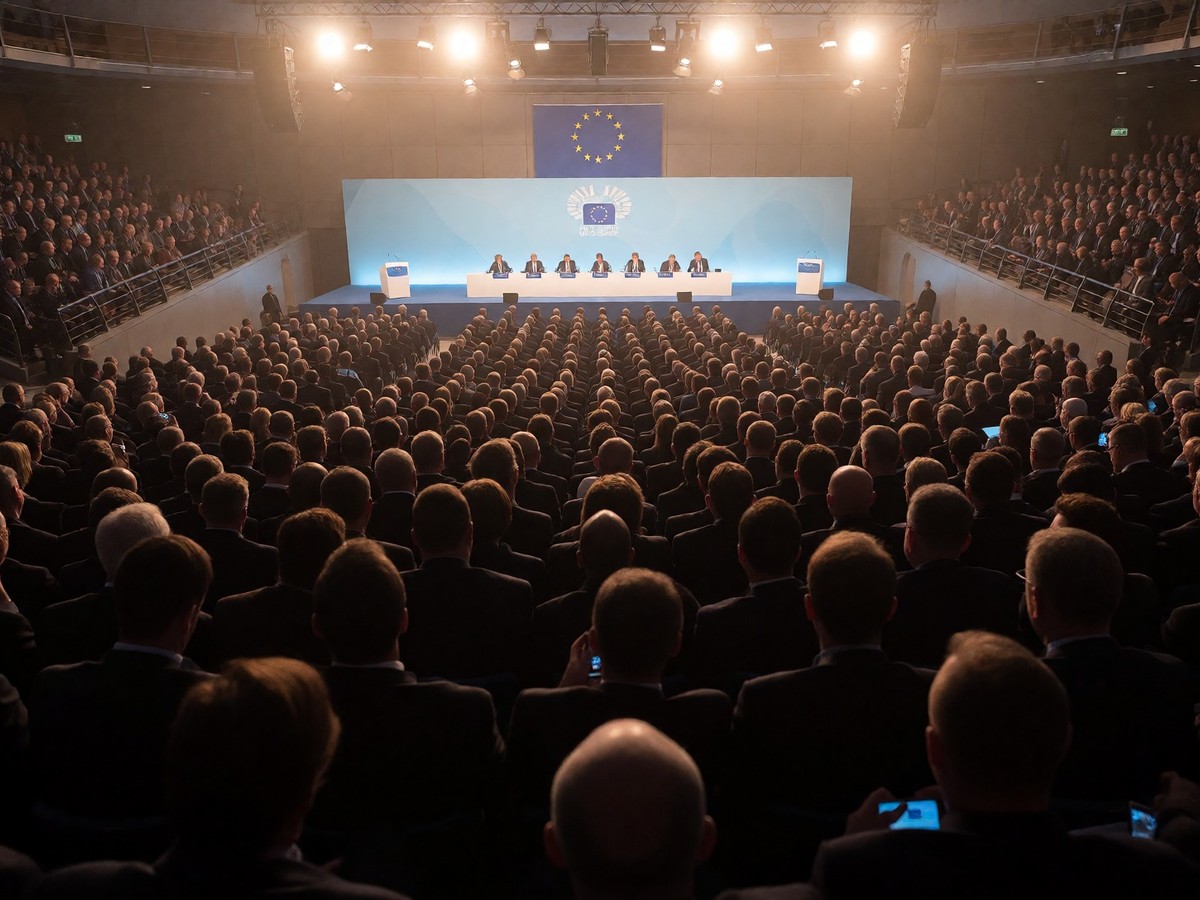
Conservative leader Kemi Badenoch dismissed the discussion as a "Westminster bubble argument" and told BBC One’s Sunday with Laura Kuenssberg that she cannot believe the government is reopening the Brexit debate. She stated that the current political focus should be on using opportunities and fixing mistakes rather than redoing the referendum. She also argued that the government should not indulge "fantasies about redoing the referendum" because there is no plan for today, stating that reopening the debate is not needed to cut welfare or to spend money on defence. Reform UK leader Nigel Farage also says there is no mandate to pursue closer ties with the bloc. At the UK-EU summit in Brussels on 20 November, Reeves expects progress on several specific fronts, including a youth mobility scheme she has pushed for since her time in office and the Security Action for Europe (SAFE) program. This SAFE program, which the EU announced last March, forms part of a rearmament effort following the Russian invasion of Ukraine. A defence pact signed with the EU last May allows UK-based defence companies to participate in projects funded by SAFE. The summit also aims to sign off on agreements ranging from trade to climate regulations.