Funding cuts follow Netanyahu agreement
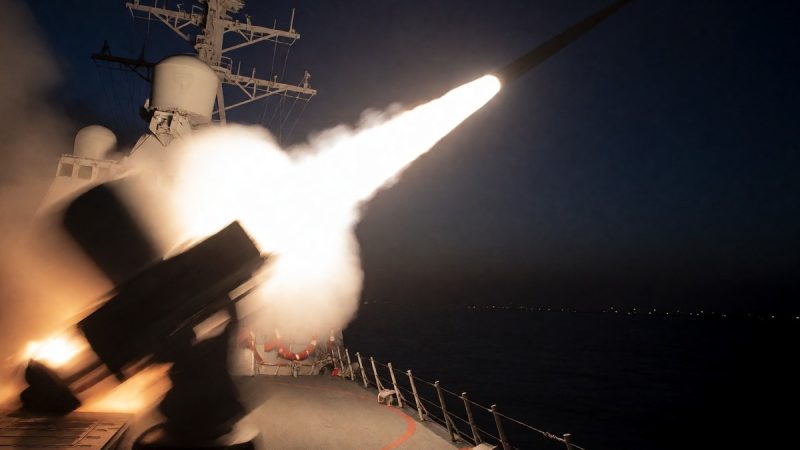
President Donald Trump announced on Tuesday morning that the United States will end nearly $4bn in annual military aid to Israel by the end of this year. During a phone interview with Fox News, Trump said the US would stop the payments because the Israeli government does not need them. The president told Fox News that he reached a pact months ago with Benjamin Netanyahu to end the annual $4bn military payments because the Israeli government no longer requires such significant financial assistance. Trump said the US will replace the direct aid with arms sales to Israel instead. This decision aims to prevent political critics, such as Michigan Democrat Abdul El-Sayed, from using the aid as a talking point. El-Sayed is running against Republican Mike Rogers in the Michigan senatorial race and would become the first Muslim senator if elected. This move accelerates a timeline previously suggested by Netanyahu. In a May interview with CBS, Netanyahu said he wanted to reduce US financial support to zero over the next decade and requested to start the process immediately. The 2025 aid included $3.8bn in foreign military financing grants for hardware such as F-35 fighter jets and $500m for joint missile defence programmes. Trump’s announcement on Tuesday appeared timed to affect the outcome of the midterm elections, where US foreign policy and support for Israel have played an important role in key races. Trump also spoke warmly about Netanyahu during the interview and said he would move to Israel to become prime minister if he became unpopular in the US.
| Aid Category | Amount |
|---|---|
| 2025 Foreign military financing grants | $3.8 billion |
| 2025 Joint missile defence programmes | $500 million |
| Total annual aid cited by Trump | $4 billion |
Israeli leaders respond to sudden change
The announcement surprised Israeli officials and comes at a time when Netanyahu faces a political crisis. His party lost its majority in the Knesset during last week’s elections, and the opposition is attempting to form a coalition to replace him. Gadi Eisenkot, a centre-right rival seeking to become prime minister, said that the security establishment and Israeli citizens are learning about a change in the strategic relationship framework through the media. Eisenkot claimed that Netanyahu’s conduct poses a genuine danger and that the country can no longer rely on him. Yair Golan, the head of the Democrats opposition party, wrote that a responsible prime minister would fight to increase American aid, not dismantle it. Golan stated that Netanyahu is deepening the security and economic crisis and putting Israel’s future at risk.
American sentiment shifts toward Israel
The announcement arrives as US foreign policy faces pressure from voters and progressive candidates. A September Quinnipiac University poll showed 48% of Americans believe the US is too supportive of Israel, while only 16% believed this in 2017. Among Democrats, 67% believe the US is too supportive, compared to 17% of Republicans. In June, Vice-President JD Vance told the New York Times that one cannot "kill your way out of solving every single national security problem" that exists. This sentiment follows the humanitarian crisis in Gaza and helped bring candidates like El-Sayed to the forefront. Republican Thomas Massie also moved for a vote in July to cut $3.3 billion in security aid to Israel. That amendment received 103 votes from Democrats and was rejected by 314 votes against and 104 in favour. The amendment was the only one from a Republican to receive Democratic support. Since the end of the Second World War, Israel has received the most US foreign aid. A 2025 Congressional report estimated the total amount of that aid at $174 billion, without adjusting for inflation.