Transaction details and funding
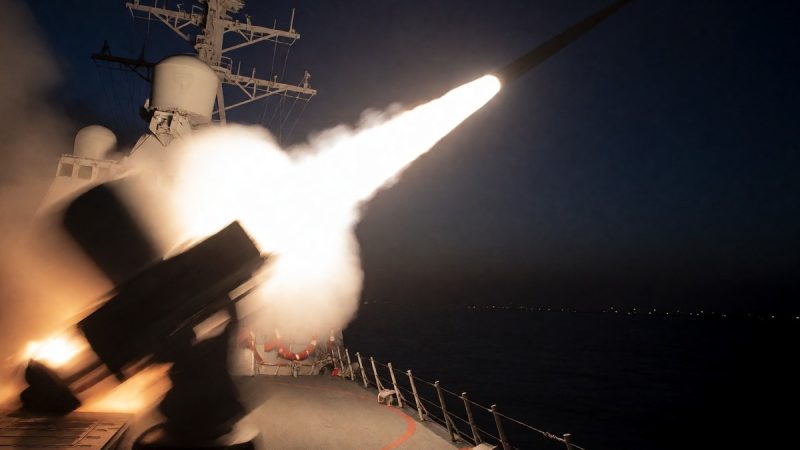
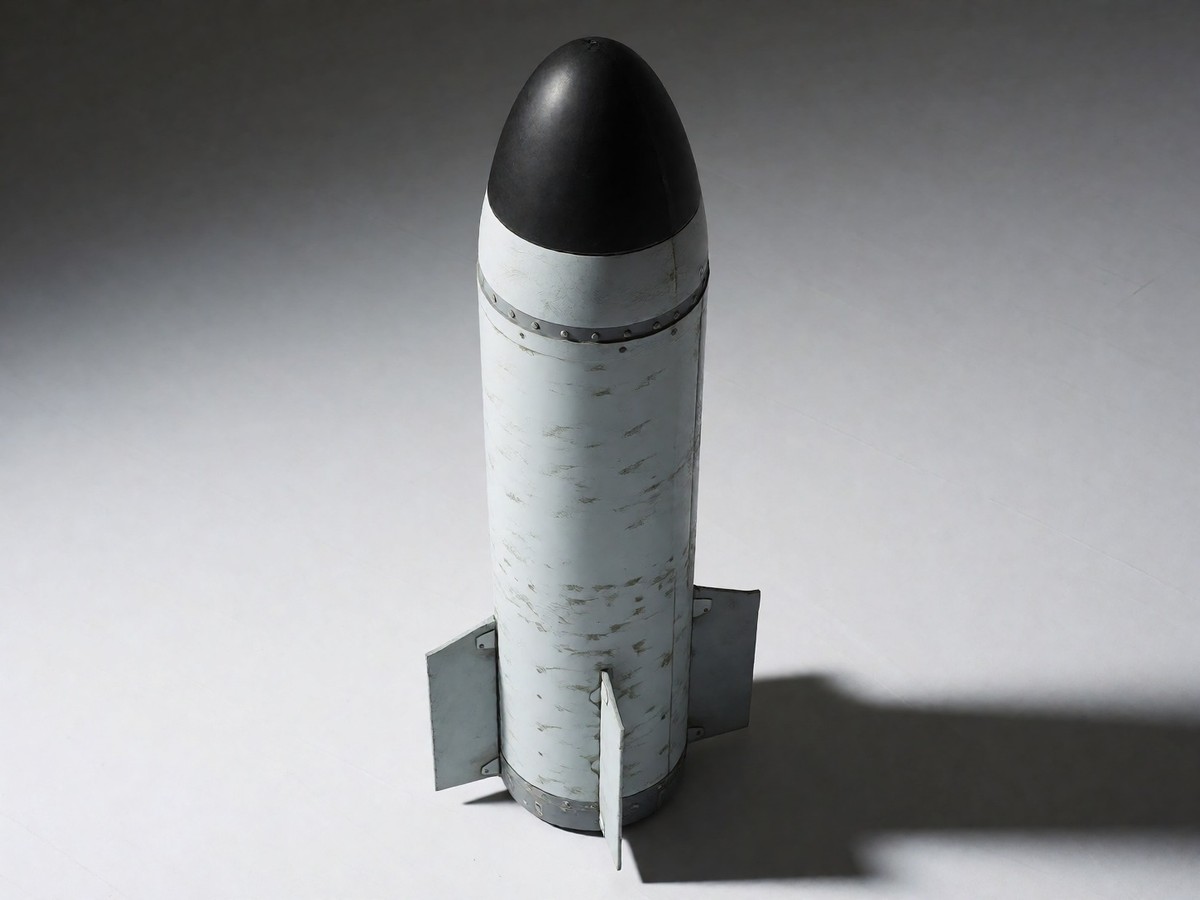
The US State Department approved the sale of 500 Patriot PAC-3 interceptor missiles to Ukraine for $2.1bn. Lockheed Martin acts as the principal contractor for the sale. The US government will not use any US funds for this purchase. Instead, Ukraine will pay for these interceptors using donations from Canada, Germany, and Norway through the JUMPSTART program. These donations are financed by the European Union’s Ukraine Support Loan. The JUMPSTART program uses donations from allies to buy weapons, services, and training for Ukraine to support its self-defence following the Russian invasion, according to a Pentagon website. This proposed sale will support the foreign policy and national security objectives of the United States by improving the security of a partner country that is a force for political and economic stability in Europe. This transfer involves munitions used to defend against the Russian military, which launched a full-scale invasion in February 2022 after seizing Crimea and parts of Donbas.
| Specification | Detail |
|---|---|
| Missile Model | PAC-3 interceptor |
| Quantity | 500 units |
| Total Cost | $2.1 billion |
| Annual Production | 600 missiles |
| Principal Contractor | Lockheed Martin |
Immediate needs and delivery delays
Zelensky said Ukraine needed the missiles "right now" because Russia attacks energy infrastructure every day. The US currently uses many munitions in its war against Iran, which creates a global shortage of these interceptors for other nations. The US Department of Defence produces only 600 missiles per year. This low production rate makes the long delivery timeline even more difficult for Kyiv to manage. Zelensky suggested that allies have sufficient stockpiles to provide the weapons immediately and backfill those stocks later. Because the order involves new builds rather than existing missiles, two people briefed on the decision said the interceptors might not arrive until a couple of years into the 2030s. This delivery timeline is a complete failure for Kyiv.
Ukraine has waited almost a month for the US to sign off on these supplies, as the country is running critically low on interceptors. Russia has intensified its attacks on energy infrastructure ahead of winter, hitting major parts of the Ukrainian power grid with more than 30 strikes over the last two weeks. The Patriot system is the only effective weapon in downing Russia’s deadly ballistic missiles. Zelensky argued that it is entirely feasible for US and European allies to provide existing Patriot interceptors from their own stockpiles. This would be the right approach, he said.
Political friction and recent strikes
The approval follows tension between Zelensky and Donald Trump. Earlier this month, Trump eased sanctions on Russia to secure Russian diesel. Trump also criticized Zelensky for not stopping attacks on Russian refineries and said it was time for Ukraine to get a new leader to strike a deal to end the war. In July, Trump said Washington had "not agreed" to license Ukraine to produce its own Patriot missiles. This occurred three weeks after he offered the country such a right. Tensions eased after Zelensky held talks with US envoys in Oslo on 20 October.
Zelensky said earlier this week that Ukraine had been waiting almost a month for the US to sign off on critical missile supplies which his country was running critically low on. Diplomats met in Atlanta for a G20 meeting hosted by US Secretary of State Marco Rubio. European diplomats protested the presence of Russian Foreign Minister Sergei Lavrov by refusing to stand for an official photograph. UK Foreign Secretary Ed Miliband told Lavrov that his government is killing innocent civilians in Ukraine. These tensions follow a series of deadly strikes. A Russian drone strike killed at least 14 people on a crowded rail platform in the Ukrainian city of Dnipro. Five people died in daytime strikes on two other provincial cities, and one person died in a late-evening missile strike in the capital Kyiv, according to officials.