Successful upper stage recovery
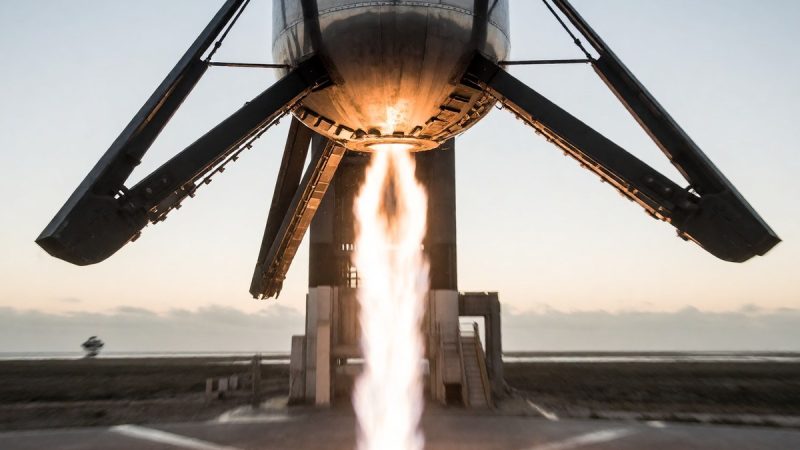
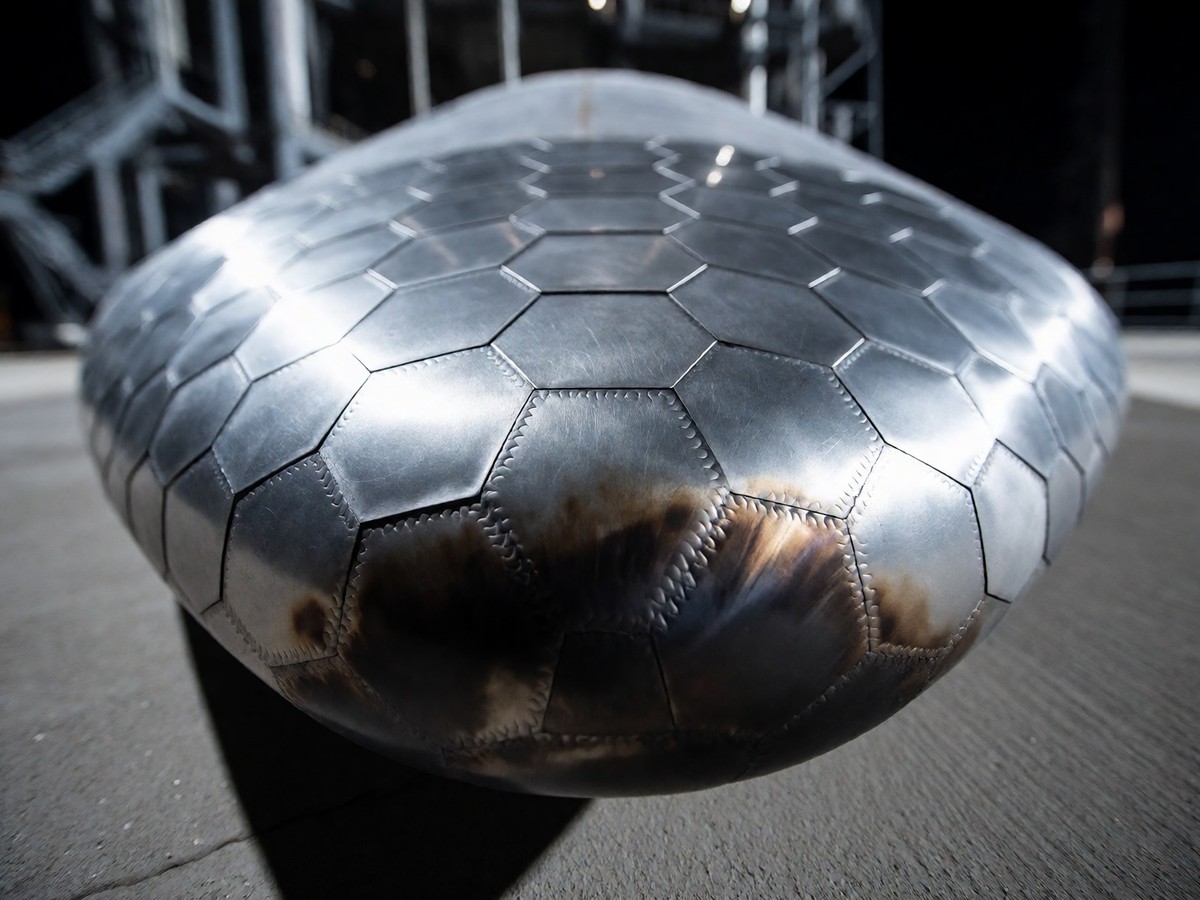
SpaceX caught its Starship upper stage at the Texas launch tower on Saturday, marking the first time the company has successfully caught the craft. The 171ft (52-meter) bullet-shaped upper stage completed a 22-hour mission during which the craft orbited Earth 14 times and deployed 26 Starlink V3 satellites before descending into the clutch of the tower’s mechanical arms. The 15th test flight was envisioned as a historic double-catch mission where all parts of the rocket would return intact to the launch site, rather than being recovered from the ocean as with some previous test flights. This recovery remains a victory for SpaceX, though the mission failed its intended goal of returning both components.
| Flight Component | Mission Statistic |
|---|---|
| Upper stage height | 171ft (52-meter) |
| Mission duration | 22 hours |
| Earth orbits completed | 14 |
| Starlink V3 satellites deployed | 26 |
The mission failed to return both parts of the rocket because the Super Heavy booster exploded in the Gulf of Mexico on Friday. The hulking spacecraft is composed of two parts: a lower booster stage called Super Heavy, whose Raptor engines power the orbital ascent, and an upper stage also called Starship. The lower booster stage diverted a few minutes after takeoff, and the guidance, navigation and control (GNC) system triggered the no-go. SpaceX spokesperson Dan Huot said, "It was doing what it was supposed to do. Basically, it detected that the booster was not in the place it was supposed to be to proceed with a catch." Elon Musk said the booster was "slightly low on fuel."
Mission impact and future plans
The flight occurred as NASA approaches its 2028 goal to return humans to the lunar surface through contracts with SpaceX and Blue Origin. NASA administrator Jared Isaacman wrote on X, "Making more believers by the day. One step closer to [the moon]." This 15th test flight marks only the second time Starship has entered Earth’s orbit. Musk plans to ramp up Starship test flights to a weekly or twice-weekly cadence to achieve rapid reusability for Mars missions. He wants the rocket to land and take off like standard airplanes to reel in the enormous costs of space travel. Beyond the lunar mission, Musk has also pushed a plan of carrying humans to Mars.