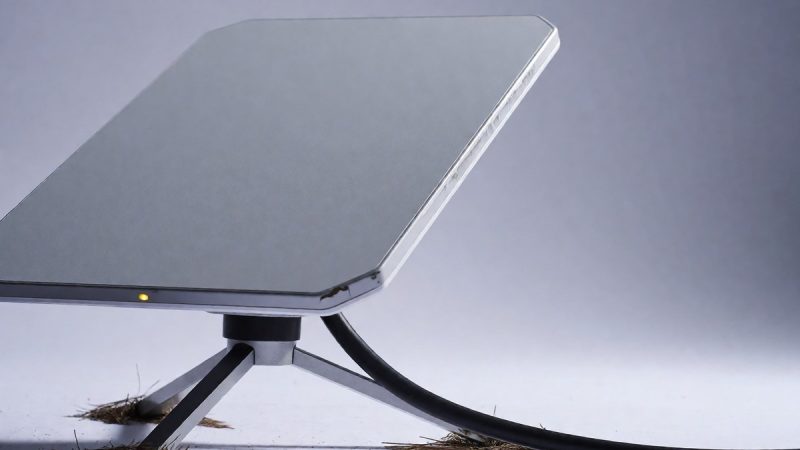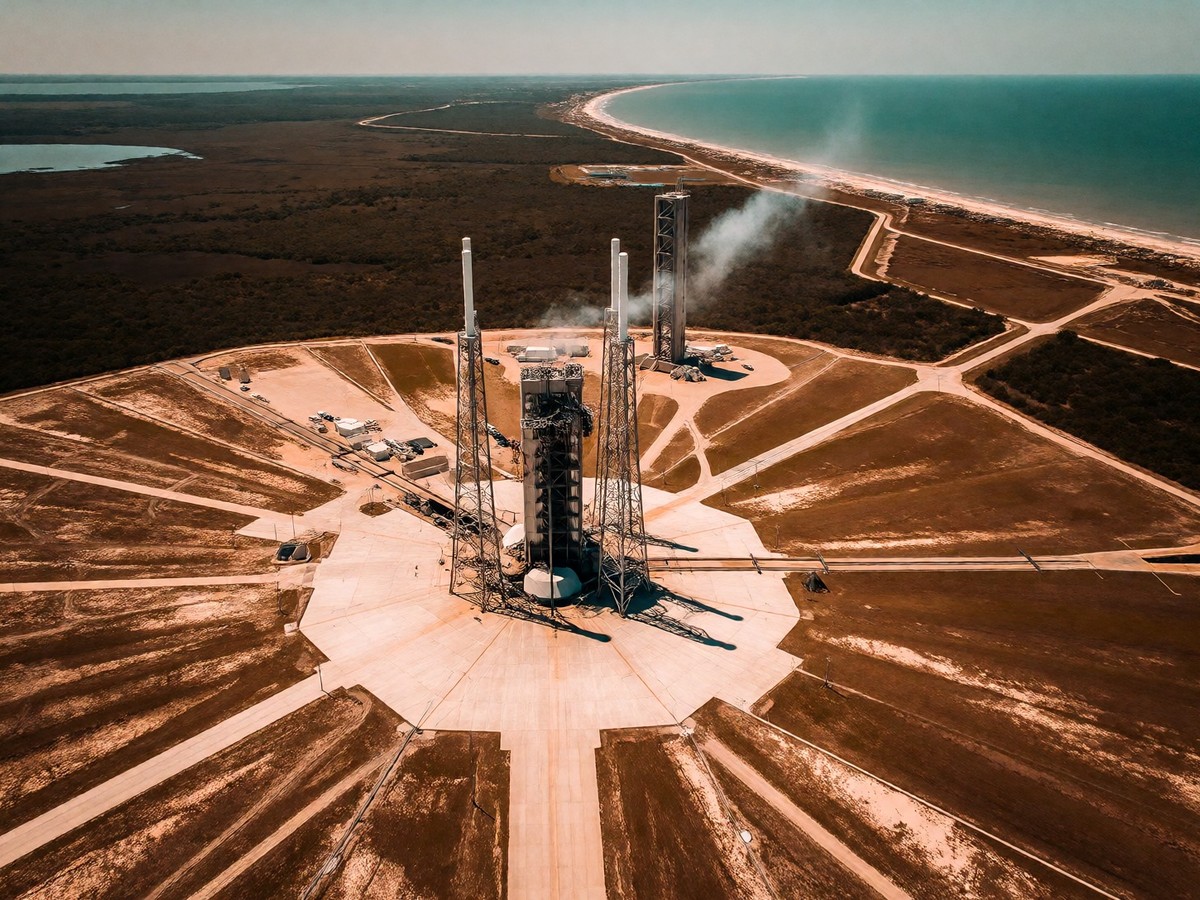
SpaceX attempted a double catch of its Starship megarocket on Friday afternoon in South Texas, but the mission fell short when the Super Heavy booster diverted into the sea. The 407ft rocket launched from Starbase as planned, and the 171ft upper stage reached orbit to deploy 26 Starlink V3 satellites. These satellites have solar panels that stretch 60 meters end to end when fully deployed.
Failed booster recovery
The flight was the 15th test for the vehicle, which uses 33 raptor engines during takeoff. SpaceX intended to catch both the booster and the upper stage at the launchpad tower to advance "rapid reusability", a goal Elon Musk pursues to take humans to the moon and Mars. However, the Super Heavy booster dropped like a rock and created a powerful explosion in the Gulf of Mexico after an unspecified issue forced a diversion. I find this failure to recover the first stage disappointing because it prevents the company from refurbishing the version 3 hardware.
| Component | Height | Status |
|---|---|---|
| Starship upper stage | 171ft | In orbit |
| Super Heavy booster | N/A | Splashed down |
Orbital success and satellite deployment
The Starship upper stage ignited its engines to enter a nominal orbit about 40 minutes after launch. This successful deployment means the spacecraft is now an operational, orbital rocket. NASA has contracted SpaceX, along with Blue Origin, to provide lunar landers for returning astronauts to the moon in 2028. While the booster diversion remains a setback, the upper stage continues through space. SpaceX may still attempt to catch the upper stage on Saturday.