The cost of a failed pickup
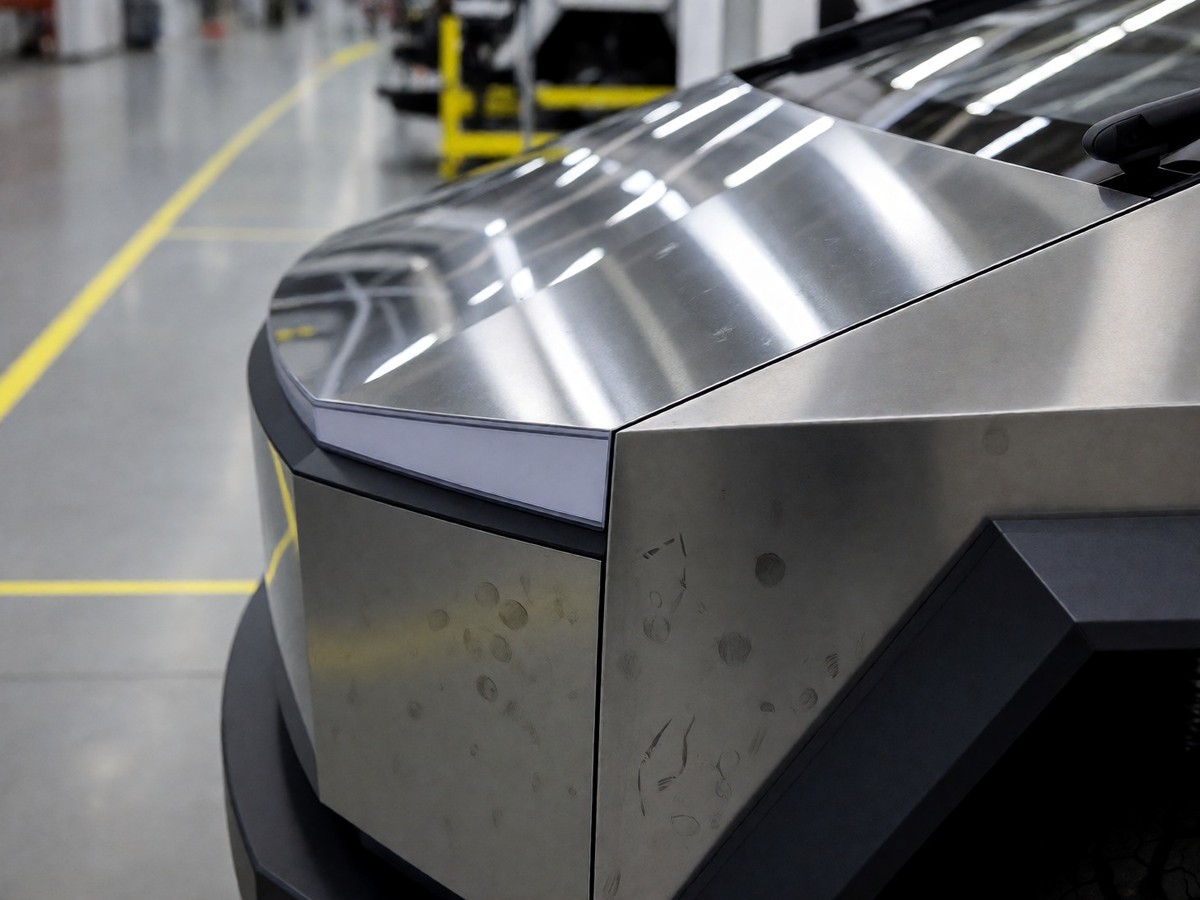
Elon Musk announced Tesla will wind down Cybertruck production at the Texas factory by the middle of 2027 to increase Cybercab manufacturing. I view this decision as the conclusion of a failed attempt to capture the American pickup truck market. Musk revealed on social media that the Gigafactory Texas plant requires more space for the self-driving taxi. This decision follows a difficult week for Musk, who gave $446 million to Republican candidates during the US midterm elections. Most of those candidates lost, and the paper value of Musk’s fortune fell by $113 billion after the extent of the election rout became clear, as stock market investors questioned whether a Democrat-led Congress could slow the pace of the AI boom. Tesla shares fell 11% on Thursday, while his AI and rocket launch company, SpaceX, dropped by 9% because investors feared the impact of the election results. I see the truck as an expensive mistake that never challenged the Ford F-150, despite Musk’s early claims that the stainless steel body and bed did not do anything useful. This follows a year where Tesla also stopped production of its Model S and Model X premium vehicles to address declining sales for ageing products. I see the sudden departure from the pickup market as a sign of strategic exhaustion.
| Metric | Data |
|---|---|
| Q3 2026 "Other" Deliveries | 8,300 |
| Q3 2026 Model 3/Y Deliveries | 478,000 |
| Targeted Annual Cybertruck Sales | 200,000 |
| Musk Midterm Donations | $446 million |
| Musk Fortune Decrease | $113 billion |
Production struggles and sales gaps
The Cybertruck’s development involved significant technical hurdles that the company never overcame. I find the attempt to achieve "Lego-like precision" with 10-micron tolerances failed, especially given the vehicle’s unusual steel shell and unibody chassis. Tesla started deliveries of the Cybertruck in late 2023, but the vehicle never made it on sale in Europe because it did not reach the required safety standards. Musk admitted the difficulty of the project during a 2023 earnings call, stating, "We dug our own grave with Cybertruck." The vehicle never approached the annual sales target of 200,000 units. In the third quarter of 2026, Tesla delivered only 8,300 "other models" including the Cybertruck, while the Model 3 and Model Y reached 478,000 combined deliveries during the same period. I see the truck’s failure as a result of these production issues and the fact that sales never took off despite the initial hype. The truck was supposed to go on sale for less than $40,000, but Musk’s stratospheric sales predictions proved unrealistic. Even selling thousands of Cybertrucks to SpaceX could not save the pickup from its divisive design and underwhelming performance, which reminded me of low-resolution video game models rather than any concession to practicality. I would compare the entire project to the historical failure of the Edsel, which also struggled with market acceptance.
A shift toward autonomous machines
Tesla is shifting its automotive focus to the Cybercab, which carries two passengers and has no steering wheel. The company already provides limited paid trips in the vehicle within Austin, Texas, although regulatory scrutiny of driverless car technology remains a significant hurdle. I believe the pivot to robotics and AI makes more sense than trying to revive a divisive vehicle. The Texas factory will now house production for the Optimus humanoid robot and the Cybercab. While the company attempts to ramp up production of the long-delayed Semi electric lorry, Musk also aims to produce the Roadster sportscar, with a road-bound version planned for 2028. Musk previously demonstrated a "flying car" version of the Roadster that used SpaceX thrusters to drive up a curved ramp. Analysts do not expect the Roadster to make a large difference to Tesla’s future profits. I find the heavy reliance on autonomous fleets and humanoid robots a massive, unnecessary gamble for a company that once prioritized traditional car sales. The Cybercab service rollout remains uncertain as the company navigates the complexities of US regulations.