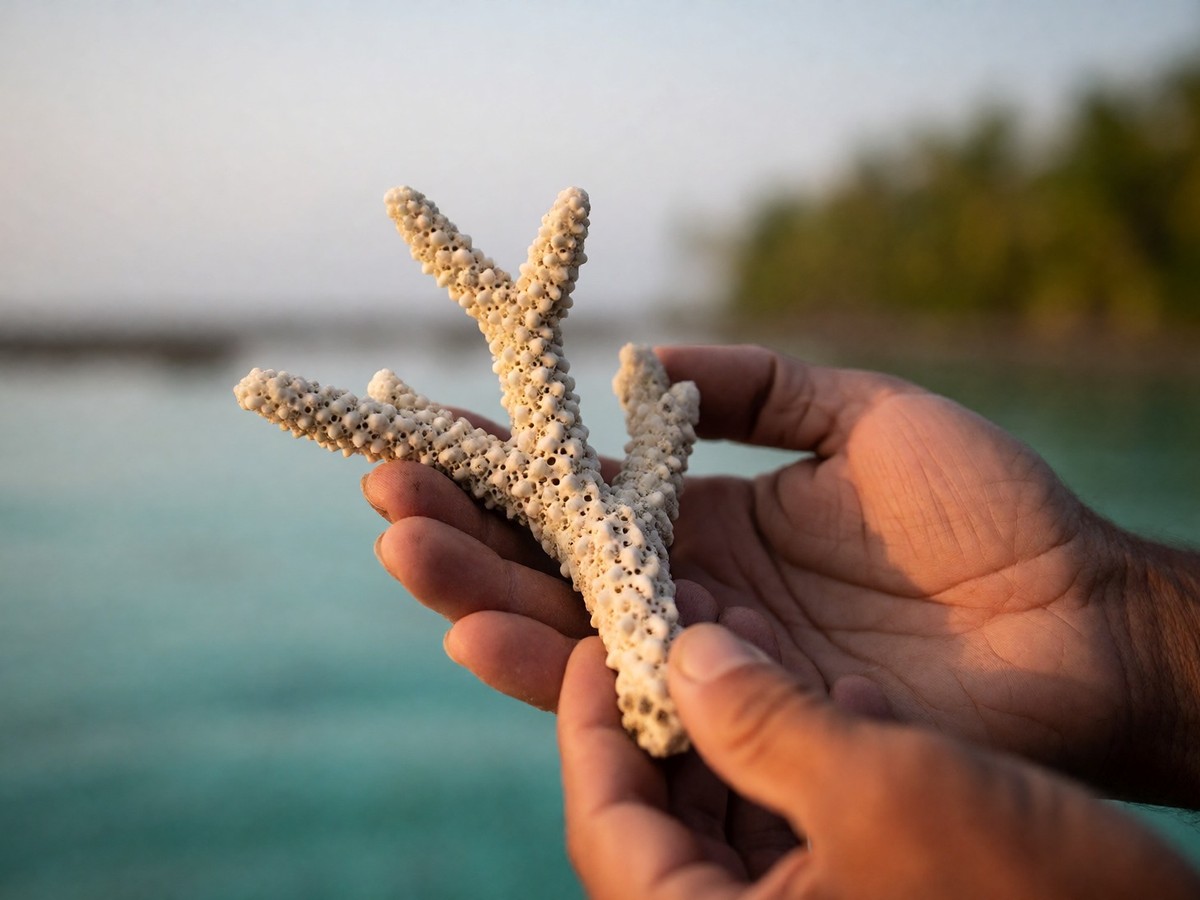
Hilda Heine, president of the Marshall Islands, told heads of state that overshooting the 1.5C Paris temperature target means waves eating away shores and floods destroying towns. She described seeing bright coral in July that had bleached white months later, warning that an overwhelming response is required or "the world we know is over." Mia Mottley, prime minister of Barbados, called out governments who had "not tried hard enough" since the Paris agreement, noting that current policies lead to 2.8 degrees of warming even if every pledge is delivered.
The political gap
Antonio Guterres, the UN secretary general, blamed a deceitful fossil fuel industry for distorting science and delaying action. He called for a windfall tax on oil and gas profits from the Iran war, stating that polluters must pay to help vulnerable countries recover. His speech marked one of his last before standing down next month, as he urged an extraordinary acceleration while the clock winds down. However, the gathering was relatively threadbare; although 91 national leaders attended according to the UN, major figures like Donald Trump and Xi Jinping were absent. Some other leaders, including Emmanuel Macron and Friedrich Merz, declined to attend and are instead heading to Ireland for an AI conference. This absence undermines the urgency of the summit despite the impassioned speeches interspersed with Turkish music and dancing.
Recep Tayyip Erdogan, co-hosting with Australia, wanted the summit remembered as a turning point but celebrated the discovery of two new oilfields with 135m barrels of potential just days earlier. Anthony Albanese, whose country exports vast amounts of coal and liquefied gas, praised the partnership but faced criticism for failing to mention fossil fuels in his speech. Heine warned that every new oil well drilled is a threat to her country’s future, arguing that discovering new resources is something to fear rather than celebrate. The UN Environment Programme has found that overshoot is now inevitable, and its effects on icy regions will be calamitous.
Scientific alarm
Bill Hare, chief executive of Climate Analytics, reported a feeling of panic from the science community, describing fraught conversations with rainforest and cryosphere scientists. He noted that the mood is gradually darkening, with people talking about things having gone backwards. Almost every country is lagging in cutting emissions, and there is little sign of progress on phasing out planet-heating fuels despite entering one of the strongest El Nino events in history. Gordana Siljanovska-Davkova, president of North Macedonia, stated that this generation is the first to fully understand the consequences of their choices and perhaps the last with time to change course. Future generations will live with the decisions made now.
Natasa Pirc Musar, president of Slovenia, questioned what remains to unite humanity if human dignity and respect for nature are not central to decisions. Small island nations face an existential threat from rising sea levels, making them most exposed when global heating shoots past limits. The lack of sufficient finance for these vulnerable nations compounds the crisis, leaving them without the resources needed to adapt to extreme heat, floods, and fires. Leaders stressed the need for multilateralism to finally deliver results, but the disconnect between promises and actions remains stark. The scientific consensus points to immediate failure unless the pace of decarbonization accelerates dramatically beyond current pledges.