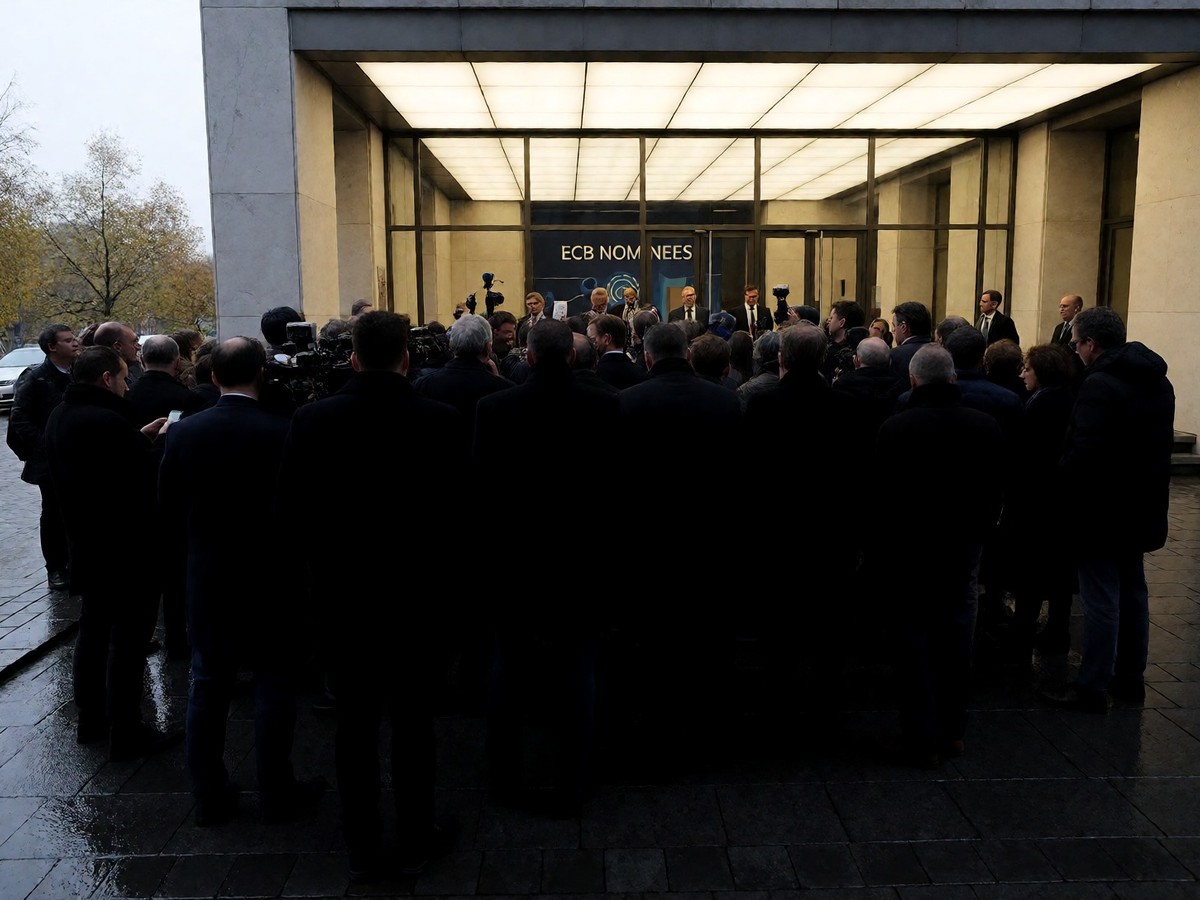
The political deal for the ECB
Dutch Prime Minister Rob Jetten agreed to back a political deal crafted by France, Germany, and Spain to decide the leadership of the European Central Bank. This agreement leaves former Dutch central bank governor Klaas Knot empty-handed after the Netherlands initially put him forward for the presidency. Spain’s own ex-governor, Pablo Hernandez de Cos, will succeed Christine Lagarde as ECB President when she steps down on Feb. 7. The deal also assigns Markus Brunnermeier from Germany as the ECB chief economist and Laurence Boone from France to the markets portfolio on the bank’s six-person executive board. I find the sudden abandonment of the Dutch bid for the presidency to be a blunt outcome for Klaas Knot. After EU ambassadors formally recommended the three candidates for the ECB posts, EU leaders start a consultation process today with the European Parliament and the ECB to allow those institutions to provide views on the nominees.
Timelines and mandates
The ECB sets interest rates to dictate borrowing costs across the single-currency bloc, following a mandate to keep inflation steady at 2% over the medium term. An EU diplomat said "the Netherlands will support the consensus for the three nominations for the ECB board," noting that such consensus would be "an important signal to financial markets." According to that diplomat, the Council texts recommend Pablo Hernandez de Cos as ECB President and Laurence Boone and Markus Brunnermeier to the Executive Board. The bank’s executive board consists of six members who manage these economic policies and interest rate decisions.
| Candidate | ECB Post |
|---|---|
| Pablo Hernandez de Cos | President |
| Markus Brunnermeier | Chief Economist |
| Laurence Boone | Executive Board (Markets) |
Parliament schedules a hearing for Dec. 7, which leads to a committee vote and a plenary vote the following week. EU leaders will formally cement the deal at their next meeting in Brussels on Dec. 17, after the process moves forward because the ambassadors already recommended the three candidates for the ECB posts. These candidates will occupy roles on the bank’s six-person executive board, and the plenary vote must rubber-stamp the committee decision. This process follows the recent weeks of negotiation between the three European powers to decide the leadership for years to come.